
Plants
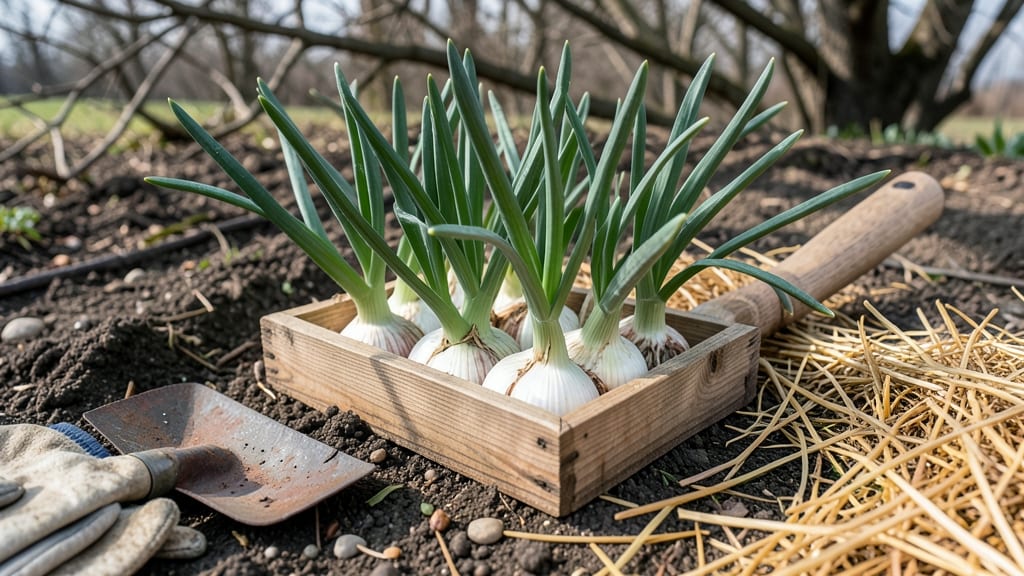
Timing your garlic planting just right in Rhode Island could mean the difference between a bountiful harvest and a disappointing flop—especially with the state's unpredictable 6a winters.
The ideal window is narrow, and missing it by even a few weeks can leave your 🧄 cloves struggling to establish roots before the ground freezes.
Most gardeners in Rhode Island swear by planting between October and November, when soil temperatures dip but haven’t yet locked up. This cold period is actually what triggers the bulbs to form properly, so don’t rush—patience here pays off in juicy, flavorful harvests next summer.
But here’s the catch: hardneck varieties, like ‘German White,’ thrive in our climate, while softneck types might not perform as well. We’ll break down which ones to pick, how deep to bury those cloves, and even how to adjust if winter hits early or late.
Ready to grow garlic that rivals the best from the market? I’ll walk you through every step—from soil prep to frost protection—so you can confidently plant knowing you’ve got the perfect timing for Rhode Island’s growing season.
Rhode Island garlic planting timeline: frost dates and soil prep essentials
Timing your garlic planting in Rhode Island is all about beating the first frost while giving roots time to establish. Aim for 4-8 weeks before ground freezes, typically between mid-October and early November. This window ensures bulbs mature fully before winter dormancy kicks in.
Rhode Island falls in USDA Zones 5b-6b, where average first frost arrives around November 15. Count backward to determine your ideal planting date—most gardeners in Providence or Newport plant by October 20 to stay ahead of cold snaps.
For those with late frosts, don't panic! You can plant as late as December 1, though bulbs may be smaller. The key is ensuring soil temps stay above 40°F for root growth to begin.
Spring planting is possible but risky in RI's climate. If you miss fall, wait until March 15—after the last frost—using green garlic varieties like 'Silverskin' for quicker harvests.
| Planting Window | Key Considerations | Best Varieties | Soil Prep |
|---|---|---|---|
| Mid-October - Early November | 4-8 weeks before frost; ideal for bulb development | German White, Music, Rocambole | Loosen soil 12" deep; add compost |
| Late November - December 1 | Risk of smaller bulbs; soil must stay above 40°F | Silverskin, Creole | Use row covers for warmth |
| March 15 (Spring) | Harvest green garlic only; not for bulbs | Silverskin, Artichoke | Warmer soil speeds germination |
Before planting, test your soil's pH (6.0-7.0) and amend with compost or aged manure. Rhode Island's sandy soils drain quickly, so mix in 2 inches of organic matter to retain moisture and nutrients.
Plant individual cloves (not whole bulbs) 4-6 inches deep and 4-6 inches apart, with the pointed end facing up. This spacing prevents disease and allows bulbs to swell properly during dormancy.
After planting, apply 1 inch of mulch (straw or leaves) to insulate roots from temperature swings. In Zone 5b areas like Westerly, add an extra layer if winters are harsh.
Water deeply after planting to settle soil, then reduce to 1 inch weekly unless rain provides moisture. Overwatering in winter can rot cloves before they mature.
Mark your calendar for April 15—this is when garlic begins active growth. Watch for sprouts and remove mulch to prevent fungal diseases like white rot.
Pro tip: Use a garlic planting gauge to maintain consistent depth. Inconsistent planting leads to uneven bulb sizes, which is a common mistake in RI's variable microclimates.
Rhode Island garlic planting timeline: frost dates and soil prep essentials
Rhode Island’s USDA Zone 6a climate demands precise timing for garlic planting—miss the window, and your cloves may rot before forming bulbs. The ideal planting window is 4-8 weeks before the ground freezes, typically between mid-October and early November.
This gives roots time to establish before winter dormancy begins.
For most of Rhode Island, the average first frost hits around November 15, but this can vary yearly. Use the 10-day average frost date for your specific area—check the National Weather Service or local garden clubs for updates.
Planting too early (before soil cools) or too late (after frost) risks poor bulb development.
Here’s the critical timeline to follow: aim to plant by November 1 in northern RI (e.g., Providence) and by November 15 in southern areas (e.g., Newport). If winter arrives early, shift to late September or early October—just ensure soil temps are below 70°F to prevent sprouting.
| Planting Window | Soil Temperature | Frost Risk | RI-Specific Notes |
|---|---|---|---|
| Mid-October | 50–60°F | Low (safe) | Best for northern RI; soil cools faster. |
| Early November | 40–50°F | Moderate (watch forecasts) | Ideal for coastal areas; mulch heavily. |
| Late September | 60–70°F | High (early frost risk) | Emergency backup; use cold frames. |
Soil prep is just as critical as timing. Rhode Island’s sandy loam drains quickly, so amend with 2–3 inches of compost and a 10-10-10 fertilizer (1 tbsp per 10 sq ft) before planting.
Garlic thrives in slightly acidic soil (pH 6.0–7.0), so test your soil and adjust with lime if needed. Avoid fresh manure—it can cause rot during dormancy.
Break garlic bulbs into individual cloves (leave the papery skin on) and plant the pointy end up, 4–6 inches deep and 4–6 inches apart. Space rows 12 inches apart for easy harvesting.
Mulch with straw or leaves (4–6 inches) to insulate roots and retain moisture—this is non-negotiable in RI’s freeze-thaw cycles.
Spring planting is possible but risky in Rhode Island. If you miss fall, try early spring (March) only if you can protect seedlings from late frosts. Hardneck varieties like ‘German White’ are more forgiving, but yields will be 50% smaller than fall-planted garlic.
For best results, stick to the fall timeline and focus on soil health—your bulbs will thank you next summer.