
Plants
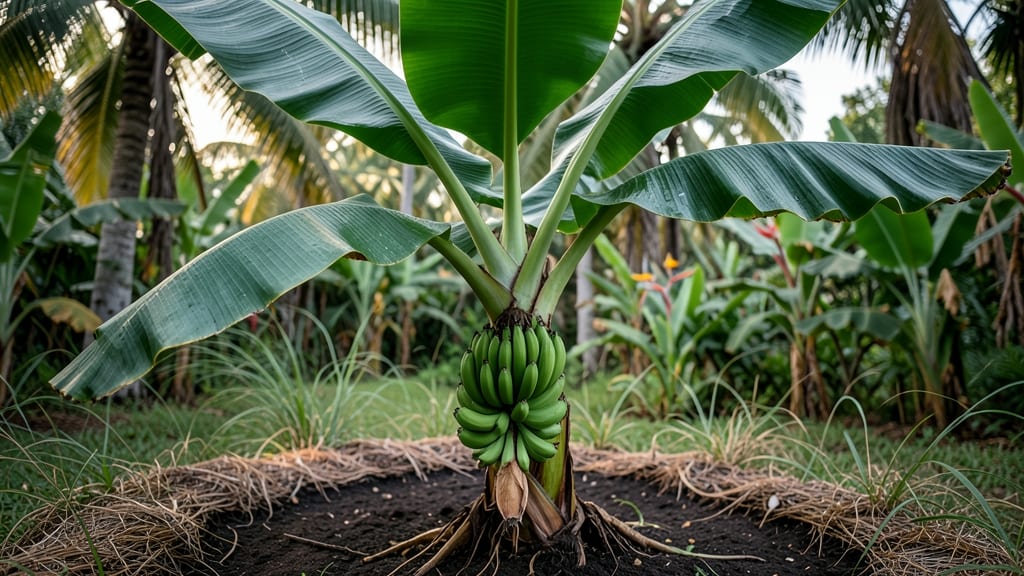
If you’ve ever wondered how much light does a banana plant need, you’re not alone—getting the balance right is the game-changer between a thriving tropical giant and a sad, stunted houseplant.
Bananas crave bright, direct light—think 6+ hours daily—but too much scorching sun can turn their leaves crispy. The secret lies in mimicking their natural tropical habitat, whether you're growing them in USDA Zone 6a or on a city balcony.
Let me show you exactly how to hit that sweet spot for lush leaves and sweet fruit.
You'll discover how to spot the telltale signs of light stress—yellowing fronds or brown patches—and adjust before it's too late. From rotating your pot for even exposure to pruning nearby trees in your garden, I've got the practical fixes you need. Ready to give your banana the perfect light bath?
Whether you're planting in spring or troubleshooting an indoor plant, this guide covers everything from dwarf varieties to towering giants. Let's turn your banana's light situation from guesswork to golden growth.

Ideal sunlight hours for banana plants: balancing growth and fruit production
Banana plants are sun-lovers, but their light needs depend on the variety—dwarf types handle slightly less sun than their towering cousins.
In their native tropical climates, they bask under 6 to 8 hours of direct sunlight daily, but even 4 hours can work for dwarf varieties if humidity is high. The key is mimicking their natural environment while avoiding harsh afternoon rays that can scorch delicate leaves.
For standard banana plants, aim for full sun exposure (6+ hours) to maximize growth and fruit production. Without enough light, your plant will focus energy on leafy growth instead of developing those sweet, plump bananas.
Think of sunlight as the plant’s fuel—too little, and it’s like running a car on fumes. But here’s the catch: intensity matters more than duration in hot climates.
In temperate zones (USDA 9-11), banana plants thrive outdoors year-round with 6+ hours of morning sun and afternoon shade. If you’re in cooler regions (like USDA 8 or below), protect your plant from frost and intense midday sun by providing afternoon shade during peak summer months.
A simple shade cloth (30-50%) can work wonders for preventing leaf burn while still allowing plenty of light.
🌱 Pro Tip: Use a light meter or observe your plant’s shadow—if it’s shorter than the plant itself, you’re likely getting enough sunlight. For container growers, rotate pots weekly to ensure even light exposure on all sides.
Banana Plant Sunlight Requirements
| Plant Type | Minimum Sunlight | Ideal Sunlight | Notes |
|---|---|---|---|
| Dwarf Varieties (e.g., 'Dwarf Cavendish') | 4-6 hours | 6-8 hours | Tolerates partial shade; great for containers |
| Semi-Dwarf (e.g., 'Lady Finger') | 6 hours | 8-10 hours | Needs afternoon shade in hot climates |
| Standard (e.g., 'Gros Michel') | 8+ hours | 10-12 hours | Requires full sun; best outdoors |
| Indoor Banana Plants | 4-6 hours near window | 6+ hours with grow lights | South-facing window or supplemental LED lights |
Seasonal adjustments are crucial, especially if you’re growing bananas in cooler climates. During summer months, provide afternoon shade (1-3 PM) to prevent leaf scorch, while winter sunlight is often gentler—banana plants can handle more direct light when temperatures drop.
In USDA Zone 8 or below, consider overwintering your plant indoors near a bright, south-facing window or under grow lights.
For container-grown bananas, sunlight needs are slightly different due to limited root space. These plants thirst for light and may lean toward the sun—rotate your pot every few days to keep growth even.
If your balcony or patio only gets partial sun (3-4 hours), supplement with a reflective surface (like a white wall or mirror) to bounce extra light onto the leaves.
💡 Science Note: Banana plants use photosynthesis efficiently in bright, indirect light, but direct sun boosts sugar production in the fruit. Think of it like baking a cake—too little heat (light) means undercooked (underripe) fruit, while too much can burn the edges (leaf tips).
The sweet spot? Morning sun + afternoon shade for most climates.
If you’re growing bananas in a greenhouse, monitor temperature alongside light—banana plants wilt in heat above 95°F, even with plenty of sun. Ventilation and shade cloths become just as important as sunlight management.
For indoor growers, a grow light on a timer (12-14 hours/day) mimics natural daylight cycles and can help bananas thrive year-round.
🌿 Final Tip: Watch your banana plant’s leaf color—dark green leaves mean it’s happy, while yellowing or brown edges signal light issues. With the right balance, your plant will reward you with lush foliage and fruit in as little as 9 months!
Ideal sunlight hours for banana plants: balancing growth and fruit production
Banana plants are sun-worshippers, needing 6 to 8 hours of direct sunlight daily to thrive. This mimics their native tropical environments where they bask under bright skies. Without enough light, your plant will grow leggy and weak, while too much can cause leaf burn.
The key is finding that sweet spot where photosynthesis hums along efficiently.
For dwarf banana varieties, like the popular Dwarf Cavendish, 6 hours of sunlight works well, especially in cooler climates. Meanwhile, standard varieties like the Musa acuminata need closer to 8 hours to produce those coveted fruit bunches.
Think of sunlight as their fuel—more light equals more energy for growth and fruiting.
Here’s how to measure sunlight exposure accurately: Use a sunlight tracker app or observe your garden space. Place a white cloth in the sun for a few hours—if it stays bright, you’ve got full sun.
If shadows linger, you’re in partial shade. Bananas in containers need even more attention since pots can overheat.
| Banana Type | Sunlight Needs | Seasonal Adjustments | Growth Impact |
|---|---|---|---|
| Dwarf Varieties | 6 hours/day | Partial shade in peak summer | Compact growth, fewer fruits |
| Standard Varieties | 8 hours/day | Full sun year-round | Taller, more fruits |
| Indoor Pots | South-facing window | Rotate pot weekly | Slower growth, smaller leaves |
Seasonal changes matter too. In summer months, banana plants can handle more sun, but provide afternoon shade if temperatures exceed 90°F (32°C). During spring and fall, they’ll soak up sunlight greedily, boosting leaf production.
Even in USDA Zone 6a, where winters are cooler, bananas need bright light to survive.
Pro tip: If you’re growing bananas in containers, place them near a south-facing window or use grow lights for 12 hours daily. For outdoor plants, avoid planting under tall trees that cast long shadows. Instead, choose a spot where the sun kisses their leaves for most of the day.
Watch for leaf color changes—dark green means happy, while pale or yellowing leaves scream for more light. Conversely, crispy brown edges? That’s a sign of too much sun. Balance is everything, and with the right light, your banana plant will reward you with lush fronds and sweet fruit.
Remember, bananas are heavy feeders, so pair their sunlight love with regular watering and balanced fertilizer (like 10-10-10) every 4-6 weeks. This combo ensures they’re not just surviving, but thriving in their sun-soaked paradise.