
Plants
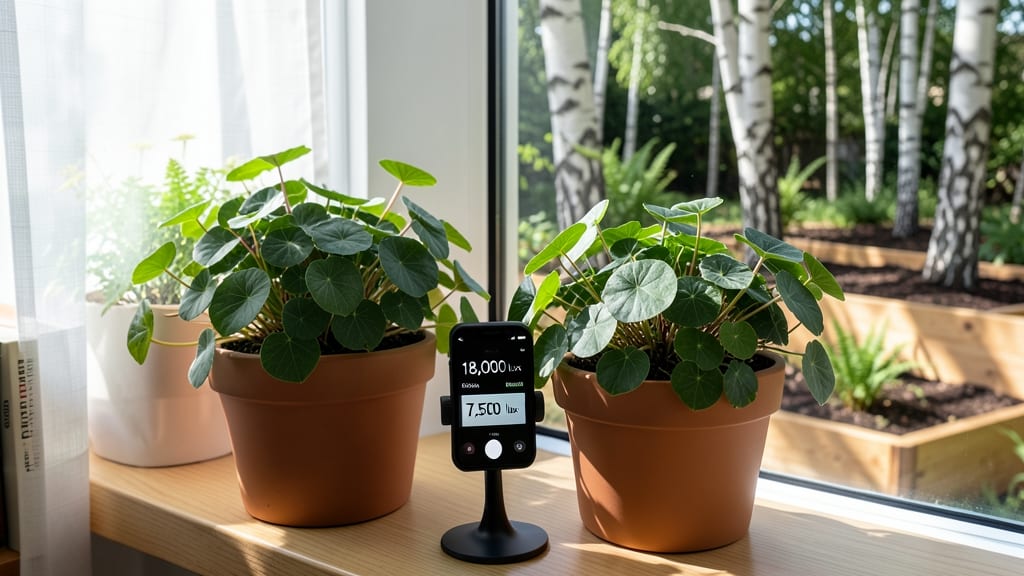
If you’re wondering how much light does a shamrock plant need, the answer might be simpler than you think—it’s all about finding the right balance. Too much direct sun can scorch those delicate leaves, while too little leaves it stretching weakly toward any available glow.
Finding the perfect balance is the key to keeping your shamrock lush and vibrant all season long.
Shamrocks actually prefer bright indirect light, mimicking their natural habitat under dappled forest canopies. This means placing them near an east-facing window or in a spot where they get morning sun but protection from harsh afternoon rays.
For indoor growers, this can be tricky, but we’ll show you exactly how to recreate those ideal conditions—even in small apartments.
You’ll learn how to spot the telltale signs of light stress—think yellowing leaves or stems that stretch like they’re reaching for a light switch—and how to fix them before your plant becomes a sad, leggy shadow of its former self.
Whether you’re growing your shamrock indoors or outdoors, these simple adjustments will make all the difference in keeping it healthy and happy.
From adjusting your window placement to supplementing with grow lights, we’ll cover everything you need to know to give your shamrock the perfect lighting conditions. Let’s get started so you can enjoy that vibrant green growth all year round!

Ideal light requirements for shamrock plants: bright indirect sun explained
Shamrock plants (Oxalis triangularis) thrive in bright indirect light, making them perfect for east-facing windows or dappled shade outdoors. Unlike sun-loving succulents, shamrocks hate direct afternoon sun, which causes leaf burn and crispy edges.
Aim for 6-8 hours of filtered light daily—think of it like a gentle morning glow rather than harsh midday rays.
Outdoor shamrocks do best under tree canopies or on porches with sheer curtains. If you notice stretched stems or pale leaves, your plant is begging for more light.
Conversely, yellowing leaves or slow growth mean it’s getting too much direct sun. The key is balance—mimic their natural forest-floor habitat where sunlight dapples through leaves.
Indoor shamrocks often struggle with low light from north-facing windows or dim corners. Rotate your plant quarter-turn weekly to ensure even growth and prevent lopsided foliage. If your home lacks natural light, supplement with grow lights (more on this later!).
Remember, shamrocks are not low-light plants—they’ll reward you with vibrant green leaves when given the right conditions.
| Light Condition | Hours Needed | Ideal Location | Signs of Success |
|---|---|---|---|
| Bright Indirect | 6-8 hours | East/West window, dappled shade | Deep green leaves, compact growth |
| Direct Sun | 0-2 hours (max) | Morning only, avoid afternoon | Brown leaf tips, wilting |
| Low Light | <2 hours | North window, dim corners | Leggy stems, pale leaves |
Seasonal adjustments are crucial! In summer, move your shamrock away from south-facing windows to prevent heat stress. A sheer curtain acts as a natural light filter, reducing intensity while still allowing plenty of brightness.
For winter, extend light exposure to 8-10 hours if natural light drops—this is when grow lights become your best friend for indoor plants.
Ever wondered why some shamrocks grow bushier than others? It’s often due to light consistency. Avoid placing them near temperature drafts (like AC vents) or direct heat sources (radiators), as these create stress.
Instead, choose a stable spot where they can bask in steady, gentle light all day. Think of it like giving your plant a cozy reading nook—no harsh glare, just perfect illumination.
Outdoor shamrocks in hot climates (Zones 8-10) may need afternoon shade during peak summer months. Use a lightweight shade cloth (30-50% coverage) to diffuse sunlight while keeping humidity levels ideal.
In cooler climates (Zones 3-6), they can handle more direct sun in spring and fall, but always monitor leaf color for clues about their comfort level.
Pro tip: Observe your shamrock’s leaves—they’re like a mood ring for light needs. Dark green and glossy means you’ve nailed it! Dull or yellowing means adjust placement immediately.
And if you see tiny white flowers popping up? That’s a good sign—your plant is happy and thriving under the right light conditions.
For indoor growers, a south-facing window can be too intense, while a north-facing one may not provide enough. West-facing windows offer afternoon light, which is safer than midday sun but still requires indirect placement.
Test different spots for a week at a time to find the sweet spot where your shamrock’s leaves stay perfectly perky.
Remember, shamrocks are not high-maintenance—they just need attention to light. With the right setup, you’ll enjoy lush, four-leafed clovers year-round, even if you’re stuck in a low-light apartment. The secret? Bright, indirect light is their love language—speak it often, and they’ll flourish like never before. 🍀
Ideal light requirements for shamrock plants: bright indirect sun explained
Shamrock plants (Oxalis triangularis) thrive in bright indirect light, making them perfect for east-facing windows or dappled shade outdoors. Unlike sun-loving succulents, these plants burn easily under direct afternoon sun, so positioning matters.
Aim for 4-6 hours of filtered light daily—think morning sun or sheer curtain diffusion—to keep leaves vibrant and stems sturdy.
Outdoors, place your shamrock in a spot with morning sunlight (6 AM–10 AM) and afternoon shade. If growing indoors, avoid south-facing windows where intense midday rays can scorch delicate foliage. A north-facing window with supplemental grow lights works well in low-light homes.
🌱 Pro Tip: Rotate your plant quarter-turn weekly to ensure even light exposure. Uneven growth (stems leaning toward light) is a classic sign of insufficient light distribution.
| Condition | Specification | Outdoor Placement |
|---|---|---|
| Light Type | Bright indirect | Dappled shade under trees |
| Daily Hours | 4-6 hours | Morning sun (6 AM–10 AM) |
| Indoor Window | East or west-facing | Avoid south-facing |
| Winter Adjustment | Supplement with grow lights | Move closer to window |
In summer months, watch for heat stress—shamrocks enter dormancy when temperatures exceed 85°F (29°C). If outdoors, provide afternoon shade or move pots to a cooler spot. For indoor plants, increase humidity (mist leaves or use a pebble tray) to mimic their natural woodland habitat.
🌿 Seasonal Hack: If your shamrock’s growth slows in winter, extend light exposure to 8-10 hours using a basic LED grow bulb (6000K color temperature). This mimics longer daylight hours and prevents leggy, weak stems caused by light deprivation.
Remember: Yellowing leaves or stretched stems are red flags—adjust placement immediately. With the right light balance, your shamrock will reward you with lush, clover-like foliage year-round!