
How To
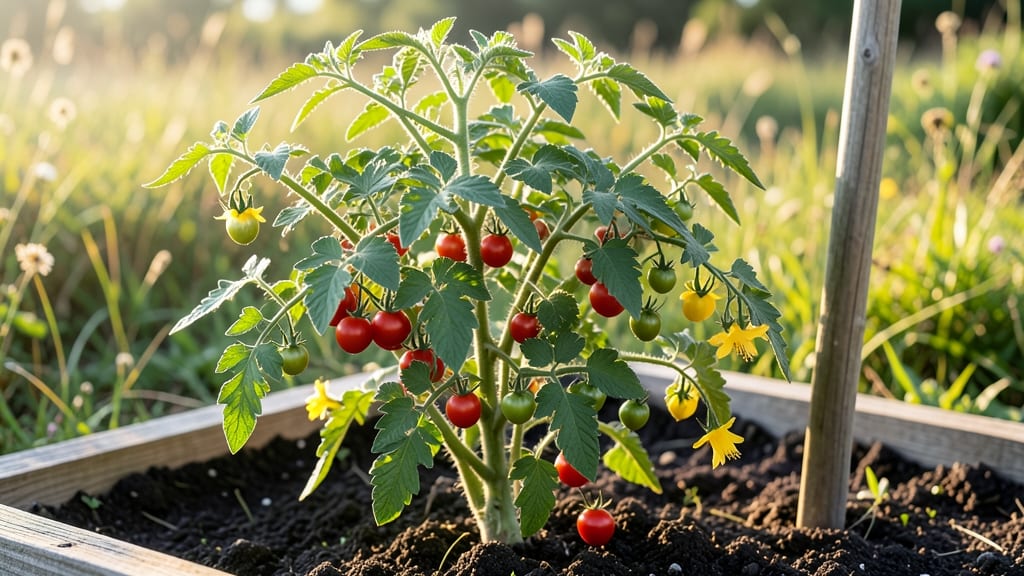
Wondering how tall does a cherry tomato plant grow before it starts producing those sweet, bite-sized 🍅 treasures? The answer isn't one-size-fits-all—it depends on whether you're growing a compact bush or a sprawling vine.
Most gardeners assume all cherry tomato plants behave the same way, but that couldn't be further from the truth. Determinate varieties stay neatly contained at 3-5 feet, making them perfect for small spaces, while indeterminate types can climb to 6+ feet if left unchecked.
This difference isn't just about height—it affects everything from trellising needs to harvest timing.
If you're working with limited garden space, choosing the right variety is the first step to avoiding a tangled mess. I'll show you how to pick between compact and vining types, plus practical ways to manage even the tallest plants without sacrificing yield.
Let's get your cherry tomato garden growing the way you want it.
Whether you're a beginner or a seasoned gardener, understanding these growth patterns will help you plan for success. From pruning tips to support structures, you'll learn exactly what it takes to keep your plants happy—and your harvests bountiful—no matter how much (or little) space you have to work with.

Cherry tomato plant height variations: determinate vs indeterminate explained
Understanding whether your cherry tomato plant will grow as a compact bush or a towering vine is key to planning your garden layout. The two main growth types—determinate and indeterminate—have dramatically different height potentials, affecting everything from spacing to trellising needs.
Let’s break down what to expect from each type so you can choose the perfect fit for your space.
Determinate cherry tomato plants, often called bush varieties, are the shorter, sturdier option, typically reaching 2 to 4 feet tall at maturity. These plants grow in a self-supporting shape and produce fruit all at once, making them ideal for container gardens or small spaces.
Their compact size also means less maintenance, as they don’t require extensive pruning or support structures.
On the other hand, indeterminate cherry tomato plants are the vining superstars of the tomato world. These varieties can grow 6 to 10 feet tall or more, producing fruit continuously throughout the growing season.
Because of their height, they need strong trellises or cages to support their weight and keep fruit off the ground. Their extended growth and fruiting make them perfect for larger gardens or vertical gardening setups.
Here’s how these growth types compare at a glance—so you can decide which aligns best with your garden’s needs and your available space:
If you’re working with limited space, a determinate variety like ‘Tiny Tim’ or ‘Patio Princess’ will thrive in containers or small garden plots. These plants stay under 3 feet tall and produce a steady crop without needing extra support.
They’re also great for beginners because they’re low-maintenance and less prone to disease due to their bushy structure.
For those with more room—or a vertical garden—indeterminate varieties like ‘Sweet Million’ or ‘Super Sweet 100’ will reward you with a never-ending harvest. These vining varieties can climb as high as your trellis allows, often reaching 8 to 10 feet in ideal conditions.
The trade-off? They require more attention to pruning, staking, and training to keep them productive and healthy.
Another factor to consider is harvest timing. Determinate plants produce fruit all at once, which means you’ll have a single, abundant harvest before the plant declines. Indeterminate plants, however, keep producing fruit throughout the growing season, giving you a steady supply from midsummer until frost.
This makes them ideal for fresh eating or preserving.
If you’re unsure which type to choose, think about your garden’s layout and your goals. Do you want a quick, easy harvest with minimal upkeep, or are you willing to invest time in training vines for a longer, more abundant yield?
Both types have their charms, and the right choice depends on your space, time, and taste preferences.
Pro tip: If you love the idea of indeterminate varieties but have limited space, consider training them vertically along a trellis or fence. This not only saves ground space but also improves airflow, reducing the risk of disease.
Plus, watching those vines climb and produce fruit all season is incredibly rewarding!
Cherry tomato plant height variations: determinate vs indeterminate explained
When planning your garden, understanding the height differences between cherry tomato varieties is crucial. These plants generally fall into two categories: determinate (bush) and indeterminate (vining). Each type grows differently, affecting both your garden layout and care routine.
The determinate varieties typically mature between 3 to 5 feet tall, making them ideal for containers or small spaces. Their compact growth habit means they produce fruit all at once, perfect for canning or quick harvests.
Indeterminate cherry tomatoes, on the other hand, can reach heights of 6 to 10 feet or more with proper support. These vining plants produce fruit continuously throughout the growing season, offering a longer harvest window.
Here’s a quick comparison to help you visualize the differences:
| Type | Mature Height | Growth Habit | Harvest Timing |
|---|---|---|---|
| Determinate | 3–5 ft | Bushy, compact | All at once |
| Indeterminate | 6–10+ ft | Vining, sprawling | Continuous |
For small gardens or containers, determinate varieties like 'Tiny Tim' or 'Patio Princess' thrive at just 2 to 3 feet tall. These are perfect if you’re short on vertical space or prefer a low-maintenance option.
If you have vertical space or a trellis, indeterminate varieties like 'Sweet Million' or 'Sun Gold' will reward you with taller vines and extended harvests. Just be prepared for regular pruning and support to manage their height.
Choosing the right type depends on your garden layout, available space, and how long you want to enjoy fresh cherry tomatoes. Both types can thrive with the right care, so pick what fits your gardening style best! 🌱