
Plants
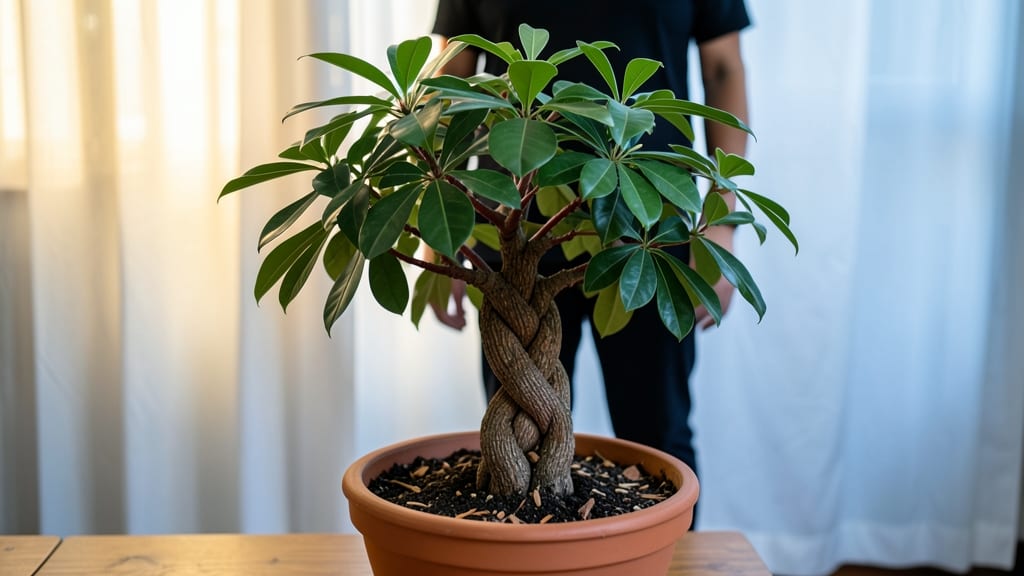
Curious about how tall does a money tree plant grow before it becomes a ceiling-height challenge? Most people assume these tropical beauties stay small—but without the right care, your 🌱 Money Tree could easily outgrow your space in just a few years.
In USDA Zone 6a and beyond, standard Money Trees typically reach 6-10 feet indoors if left unchecked, while dwarf varieties max out around 2-4 feet.
The key to controlling its height lies in understanding its growth habits, from pruning techniques to light exposure, which I’ll break down so you can keep your plant at your desired size.
Whether you’re dealing with a braided variety or a lush standard type, knowing when and how to trim makes all the difference. I’ll share 3 proven strategies to manage growth naturally—no guesswork, just science-backed tips that work for both beginners and seasoned plant parents.
Ready to stop wondering and start shaping your Money Tree’s future? Let’s dive into the factors that influence its height and how you can guide it to thrive—without taking over your living room.

Money tree height by variety: indoor growth limits explained
Your money tree (Pachira aquatica) can grow surprisingly tall indoors, but its final height depends on the variety and care you provide. Standard money trees often reach 6-10 feet with proper conditions, while dwarf varieties stay compact at 2-4 feet.
Understanding these differences helps you set realistic expectations and plan for growth control.
The braided money tree, a popular decorative variety, typically grows 5-8 feet indoors when left unpruned. Its braided trunk is a result of careful training, not natural growth patterns. Meanwhile, standard money trees without braiding can grow even taller, especially when given ample light and space.
Environmental factors like light exposure, pot size, and pruning habits dramatically influence height. A money tree in a sunny east-facing window with regular pruning might stay around 4-6 feet, while one in low light could stretch toward 10 feet or more in search of sunlight.
Here’s how different money tree varieties compare in terms of height potential:
| Variety | Indoor Height Range | Growth Rate (Per Year) | Key Growth Factor |
|---|---|---|---|
| Standard Money Tree | 6–10 feet | 1–3 feet | Light exposure, pruning |
| Braided Money Tree | 5–8 feet | 1–2 feet | Training, pot size |
| Dwarf Money Tree | 2–4 feet | 6–12 inches | Genetics, frequent pruning |
| Semi-Dwarf Money Tree | 4–6 feet | 1–2 feet | Balanced care, moderate pruning |
If you’re growing a standard or braided money tree, expect it to reach ceiling height within 3-5 years without intervention. These varieties thrive when given space, so consider their mature size before placing them in small rooms.
For dwarf varieties, growth slows significantly, making them ideal for apartments or desks.
Light is the #1 factor determining height. Money trees in low-light conditions often grow taller and leggier as they stretch toward light sources. Place your plant near a bright, indirect light source, like an east or west-facing window, to encourage bushier, more compact growth.
Pot size also plays a role. A root-bound money tree in a small pot will grow taller but weaker as it competes for nutrients. Repot your plant every 2-3 years or when roots circle the pot to support healthier, slower growth.
Pruning is another key tool for controlling height. By trimming the top 2-4 inches of new growth, you encourage fuller branches and slower vertical growth. This technique is especially useful for standard varieties that tend to grow tall quickly.
Remember, money trees are tropical plants that grow year-round indoors. Unlike seasonal plants, they don’t have a dormant phase, so their growth rate remains steady with proper care. Plan ahead by choosing the right variety and placement to avoid surprises as your plant matures.
Money tree height by variety: indoor growth limits explained
Your Money Tree (Pachira aquatica) isn’t just a decorative plant—it’s a fast-growing tropical tree that can quickly outpace your expectations. Without proper care, even a dwarf variety can reach heights that surprise you.
The good news? Understanding the growth patterns of each type helps you plan for its future size and manage it effectively.
Standard Money Trees, the most common type, typically grow 6-10 feet tall indoors when given ideal conditions. Braided varieties, often sold as "lucky plants," follow the same height range but are prized for their unique trunk weaving.
Meanwhile, dwarf varieties max out around 2-4 feet, making them perfect for small spaces or tabletops.
Here’s how different varieties compare in terms of height potential, along with the factors that influence their growth trajectory:
| Variety | Mature Height (Indoors) | Growth Rate (Per Year) | Key Growth Factor |
|---|---|---|---|
| Standard | 6–10 ft | 1–2 ft | Light exposure & pot size |
| Braided | 6–10 ft | 1–2 ft | Pruning frequency |
| Dwarf | 2–4 ft | 6–12 in | Genetics & root pruning |
The growth rate of your Money Tree depends heavily on its environment. In bright indirect light, these plants can grow 1-2 feet per year, while dwarf varieties grow more slowly due to their genetic makeup.
If you notice your plant stretching toward a window or growing leggy, it’s a sign it needs more light or a size adjustment.
Another critical factor is pot size. Money Trees thrive when slightly root-bound, but if they’re cramped for too long, they’ll focus energy on roots instead of height. Repotting every 2-3 years into a container just 1-2 inches larger in diameter encourages upward growth while keeping the plant manageable.
For braided varieties, the weaving process doesn’t affect height but does require patience. Each braid takes 6-12 months to form, and improper weaving can stunt growth or cause weak spots.
If you’re aiming for a compact Money Tree, prioritize regular pruning and avoid overwatering, which can lead to leggy, weak stems.
🌿