
How To
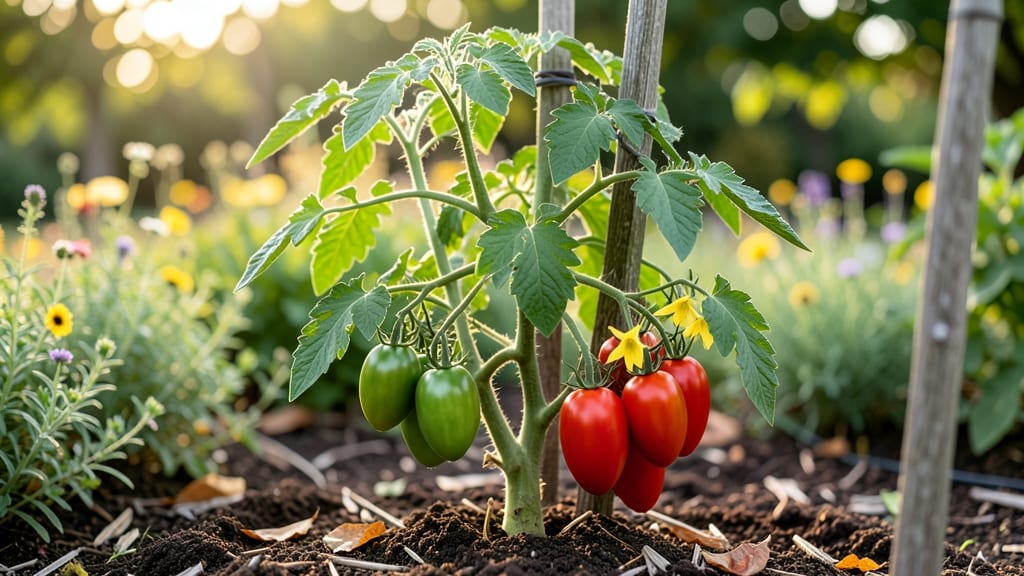
If you're wondering how tall does a Roma tomato plant grow, the answer might surprise you—these plants can range from compact 2-foot bushes to towering 6-foot vines, depending on the variety.
Whether you're planning a small container garden or a sprawling backyard plot, knowing the growth habits of your 🍅 Roma tomatoes is key to maximizing space and yield.
Determinate Roma varieties typically stay between 3 and 4 feet, making them perfect for small gardens or even large pots. These bushier types produce fruit all at once, so they’re great for canning or preserving.
On the other hand, indeterminate varieties can climb 5 to 6 feet or more, continuously producing fruit throughout the season if given proper support.
If you're working with limited space, choosing a compact variety or training taller plants with trellises can save room while boosting productivity. I’ll break down the best options for your garden setup and share tips to keep your Roma tomatoes thriving—no matter how tall they grow.
The right approach makes all the difference, whether you're a beginner or a seasoned gardener. Let’s dive into how to pick the perfect variety and support your plants for a bountiful harvest.

Roma tomato plant height ranges: from dwarf to vining giants
Roma tomatoes are famous for their meaty, paste-like fruit, but their growth habits vary wildly between varieties. Some stay compact enough for patio containers, while others grow tall enough to need serious support. The key difference lies in whether they're determinate (bush-type) or indeterminate (vining) varieties.
Determinate plants typically reach 3–4 feet tall and produce fruit all at once, while indeterminate types can grow 6–8 feet tall with continuous fruiting throughout the season.
Choosing the right variety for your space isn't just about height—it's also about how much horizontal spread you can accommodate. Determinate varieties like 'Roma VF' stay bushy and wide, while indeterminate types like 'Roma Red' send out long, sprawling vines that need vertical support.
If you're working with limited space, understanding these differences can mean the difference between a thriving harvest and a crowded, struggling garden.
| Variety Type | Mature Height | Growth Habit | Space Needs | Best For |
|---|---|---|---|---|
| Determinate | 3–4 ft | Bushy, compact | 18–24" apart | Containers, small gardens |
| Indeterminate | 6–8 ft | Vining, sprawling | 24–36" apart + trellis | Vertical gardens, large plots |
| Semi-Determinate | 4–5 ft | Moderate vining | 24" apart + light support | Balconies, raised beds |
🌱 Pro Tip: Indeterminate varieties produce fruit all season but need consistent pruning to manage height and encourage airflow.
Even within the same variety type, growing conditions can influence height. Plants grown in full sun with rich, well-draining soil tend to reach their maximum potential, while those in partial shade or poor soil may stay shorter.
For example, a Roma Red indeterminate plant might only grow to 5 feet in a shady spot, whereas it could easily reach 8 feet in ideal conditions. If you're in a cooler climate, expect slightly shorter growth due to slower maturation rates.
Another factor to consider is pruning practices. Regularly pinching back suckers (side shoots) on indeterminate varieties can help control height and direct energy into fruit production.
I’ve seen Roma tomato plants that were left unpruned grow over 10 feet tall in a single season—though this often leads to weaker stems and more disease risk. A little pruning goes a long way in keeping your plants manageable while maximizing your harvest.
If you're growing Roma tomatoes in containers, choose dwarf or determinate varieties to avoid overcrowding. A 5-gallon pot can comfortably fit a 3-foot-tall determinate plant, but you’ll need a 10–15 gallon container for an indeterminate type.
Always ensure your container has drainage holes and use a lightweight potting mix to prevent root-bound issues as the plant grows taller and heavier with fruit.
For gardeners with limited vertical space, consider espalier training. This technique involves pruning and tying vines to a flat surface (like a fence or trellis) to grow them horizontally rather than vertically.
While this won’t reduce the plant’s overall height, it can make harvesting easier and fit more plants into a small area. I’ve used this method in my own garden to grow Roma tomatoes along a 6-foot-tall trellis without taking up extra ground space.
One common mistake is assuming all Roma tomatoes are the same height. Even within determinate varieties, some stay under 3 feet, while others can reach 4–5 feet. Always check the seed packet or plant tag for specific height ranges.
For example, 'Roma VF' (a popular determinate variety) typically stays around 3–4 feet, while 'Plum Regal' (another determinate) can grow up to 5 feet tall. Knowing these details helps you plan your garden layout more effectively.
If you're growing Roma tomatoes in a greenhouse or high-tunnel system, expect even taller growth due to extended growing seasons and ideal conditions. In these environments, indeterminate varieties can easily reach 10 feet or more if left unchecked.
This is great for maximizing yield, but it also means you’ll need sturdy support structures like cattle panels or tomato cages to prevent the plants from toppling over.
Finally, remember that height isn't the only factor to consider. Wider varieties like 'Roma VF' may not grow as tall as indeterminate types, but they spread out more, requiring more horizontal space.
Always measure your garden bed or container dimensions before planting, and leave extra room for airflow to reduce disease risk. With the right variety and support, you can grow Roma tomatoes successfully in almost any space—whether you're working with a tiny balcony or a sprawling backyard.
Roma tomato plant height ranges: from dwarf to vining giants
Understanding how tall does a Roma tomato plant grow starts with recognizing the two main growth habits: determinate and indeterminate varieties. Determinate Roma tomatoes typically reach 3 to 4 feet tall, making them ideal for small spaces or containers.
These plants grow in a bushy form and produce fruit all at once, perfect for canning or preserving batches.
In contrast, indeterminate Roma varieties can grow 5 to 6 feet or taller, continuously producing fruit throughout the growing season. These vining plants need support like trellises or cages to reach their full potential. Without proper support, they can sprawl, taking up more space and making harvesting difficult.
Your garden’s layout and available space will determine which type suits you best. For example, if you’re growing Roma tomatoes in containers, a determinate variety will thrive in a 5-gallon pot, while indeterminate types may need larger containers or vertical support.
Always check the seed packet or plant tag for specific height expectations.
Here’s a quick comparison to help you visualize the differences:
Roma Tomato Height Comparison
| Type | Height Range | Growth Habit | Best For |
|---|---|---|---|
| Determinate | 3–4 feet | Bushy, compact | Containers, small gardens |
| Indeterminate | 5–6+ feet | Vining, continuous growth | Trellises, large plots |
Even within these categories, some Roma varieties may vary slightly in height. For instance, ‘Roma VF’ (a determinate type) typically stays under 3 feet, while ‘Roma Red’ (indeterminate) can exceed 6 feet with proper care. Always research the specific variety you’re planting to avoid surprises.
Another factor influencing height is your growing conditions. Roma tomatoes planted in rich, well-draining soil with full sun exposure will grow taller and produce more fruit than those in poor soil or shaded areas.
Pruning also plays a role—regularly removing suckers (side shoots) can encourage upward growth in indeterminate varieties.
If you’re unsure which type to choose, start with a determinate variety for its reliability and ease of care. Once you’re comfortable, experiment with indeterminate types for a continuous harvest. Either way, knowing your plant’s height range will help you plan for trellises, spacing, and even pest control strategies.