
Planting
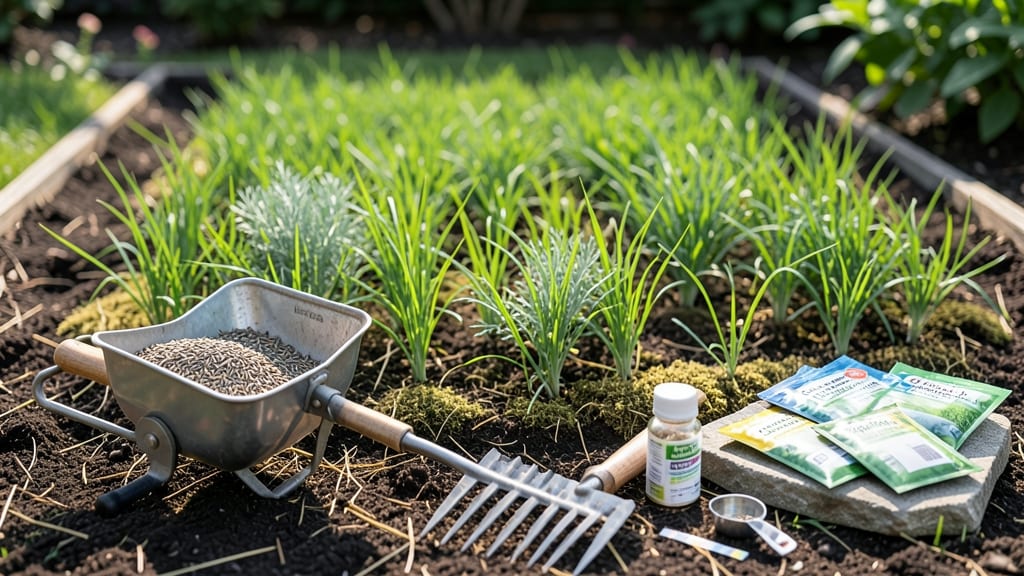
Planting grass seed in Massachusetts at the wrong time can mean wasted money and months of waiting for a green lawn. The perfect window—early spring or fall—makes all the difference, especially in zones 5b-6b where frost lingers longer than you’d expect.
I’ve seen too many gardeners rush planting in late spring, only to watch their seeds bake in the sun or struggle against weeds. Or they wait too late in fall, leaving new grass vulnerable to winter’s chill.
But timing it right? That’s how you get thick, resilient grass that survives Massachusetts’ unpredictable weather.
In this guide, I’ll break down the science behind the best planting months, soil prep secrets for your region, and how to protect your investment from common mistakes that trip up even experienced gardeners. Let’s get your lawn off to the right start.
Whether you’re seeding a new yard or overseeding an existing one, these steps will help you avoid the pitfalls and enjoy a lush, green space year-round. Ready to dig in?
Best months to plant grass seed in Massachusetts: spring vs fall timeline
Massachusetts’ USDA hardiness zones 5b-6b mean your grass seed timing must account for last frost dates (mid-April) and first frost risks (mid-October). The two best windows are early spring (March-April) and early fall (September-October), when soil temperatures hover between 50°F–75°F—ideal for germination.
Coastal areas like Cape Cod can plant 2 weeks earlier than inland regions like Worcester.
Spring planting offers longer daylight hours for seedling growth, but weed competition peaks in summer. Fall planting avoids weeds but requires seeds to establish roots before dormancy in winter. Both seasons demand consistent moisture—a challenge in Massachusetts’ unpredictable spring rains and fall droughts.
Here’s how to align your planting with local microclimates and grass type tolerance:
| Season | Best Months | Soil Temp | Grass Types | Key Risks |
|---|---|---|---|---|
| Spring | March–April | 50°F–65°F | Kentucky bluegrass, tall fescue | Weeds, uneven germination |
| Fall | September–October | 60°F–75°F | Fine fescue, perennial ryegrass | Early frost, slow root growth |
For spring planting, wait until soil warms above 50°F (test with a soil thermometer) and daytime highs exceed 60°F. Inland areas like Pittsfield should delay until late April, while coastal Provincetown can start in early March.
Use a cool-season grass mix like tall fescue, which tolerates 30°F temperatures once established.
Fall planting is trickier—aim for 6–8 weeks before first frost (typically early September in Boston). Fine fescue thrives in fall’s moderate temps and low humidity, reducing fungal risks.
Avoid planting after October 1st unless you’re in Zone 6b (e.g., Nantucket), where seeds need 4+ weeks to root before winter.
Regional exceptions matter: Western MA’s clay soils stay cold longer, while southern MA’s sandy soils warm faster. Test your soil’s moisture retention—amend with compost if it dries out quickly. Overwatering in spring or underwatering in fall are top mistakes that kill seedlings.
Pro tip: Seed depth is critical—plant ¼ inch deep with a light mulch (straw, not wood chips) to retain moisture. Coastal areas may need extra mulch due to salty winds that dry soil faster. Monitor for crabgrass if planting late spring—apply pre-emergent herbicide in early April.
Timing isn’t just about months—it’s about weather patterns. Check the National Weather Service’s 10-day forecast for consistent temps above 50°F before planting. In 2023, early April frosts in Worcester delayed germination by 3 weeks for gardeners who planted too soon.
Remember: Fall-seeded lawns often outperform spring ones in Massachusetts because weeds are dormant and soil moisture is more reliable. But if you choose spring, mulch heavily to protect seedlings from late-season heat stress.
🌱
How to prepare your Massachusetts lawn for grass seed success
Preparing your lawn properly is the foundation for a thriving grass seed investment. In Massachusetts, where soil types vary dramatically—from clay-heavy soils in the Berkshires to sandy coastal soils—your prep work should address your specific region’s challenges.
Start by testing your soil’s pH level, which should ideally fall between 6.0 and 7.0 for optimal grass seed germination.
If your soil is too acidic or alkaline, you’ll need to amend it. For acidic soil (pH below 6.0), add lime in the fall or early spring.
For alkaline soil (pH above 7.0), incorporate sulfur or peat moss to lower the pH. This adjustment ensures your grass seed can access the nutrients it needs to establish strong roots.