
Plants
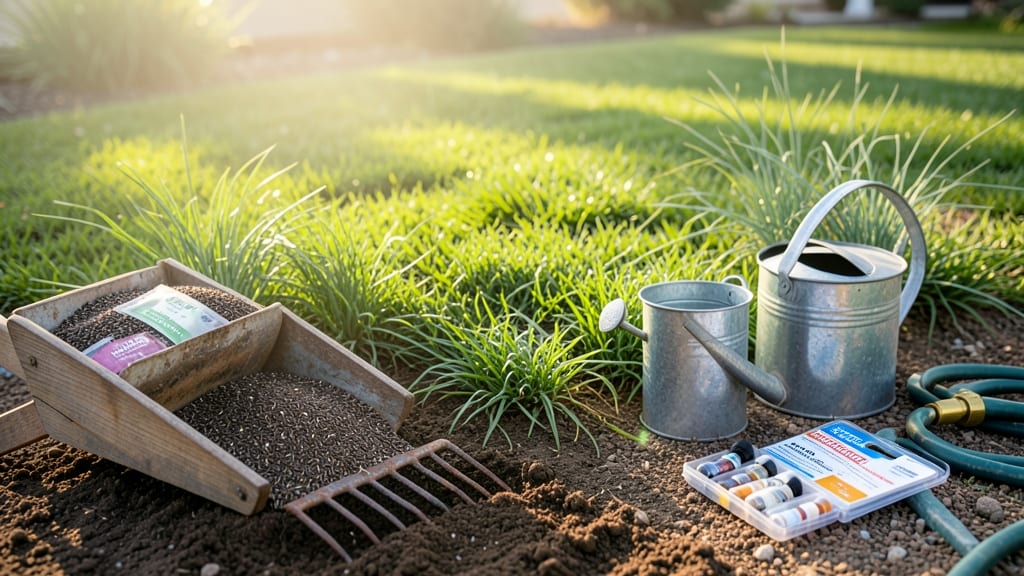
Planting grass seed in Utah feels like playing a high-stakes game of timing—get it wrong, and your lawn could end up patchy or dead before winter hits. The best time to plant isn’t just about the calendar; it’s about dodging Utah’s brutal sun, unpredictable frost, and the desert’s thirsty soil.
Whether you’re in the shadow of the Wasatch Mountains or baking in St. George’s heat, knowing when to sow your 🌱 seeds can mean the difference between a lush carpet and a barren yard.
Most Utah gardeners swear by late summer to early fall—August through September—when soil stays warm enough for germination but temperatures cool just enough to avoid stressing young sprouts. But spring planting (March to April) works too, especially in higher elevations where frost lingers longer.
The key? Avoid planting when soil temperatures dip below 60°F or soar above 75°F, or your seeds will either freeze or fry.
Here’s the secret: Utah’s microclimates demand flexibility. What works in Park City’s cooler air won’t cut it in the low desert’s scorching heat.
I’ll break down the exact windows for your region, plus how to prep soil, water wisely, and outsmart Utah’s quirks—so you can finally grow that dream lawn without the guesswork.
Ready to stop second-guessing and start sowing? Let’s dive into the science-backed schedule that’ll turn your yard into the greenest block on the street—no matter where in Utah you call home.
Utah’s ideal grass-seeding window: month-by-month breakdown by elevation
Utah’s diverse geography—from the high desert of St. George to the Wasatch Front valleys and mountain slopes near Park City—means one planting timeline doesn’t fit all. The best time to plant grass seed depends on your elevation, soil temperature, and frost risk.
For most of Utah, late summer to early fall (August–September) and early spring (March–April) are your golden windows.
In low-elevation areas like St. George (USDA Zone 7-8), you can push planting into October thanks to milder winters. But in northern Utah (Salt Lake City, Ogden—Zone 5-6), frost can arrive as early as mid-October, cutting your window short.
High-elevation spots (above 7,000 feet) may need to wait until late May to avoid late-spring frosts.
Here’s how to match your location to the perfect planting window:
| Region/Elevation | Ideal Planting Window | Soil Temp Threshold | Frost Risk | Grass Type Fit |
|---|---|---|---|---|
| Low Desert (St. George, 2,000–3,000 ft) | Late August–October | 65–75°F | Low (first frost: Nov 15) | Buffalo Grass, Bermuda |
| Valley (Salt Lake City, Provo, 4,200–5,000 ft) | Early Sept–mid-Oct or March–April | 55–65°F | Moderate (first frost: Oct 15) | Tall Fescue, Kentucky Bluegrass |
| High Elevation (Park City, 6,000–9,000 ft) | Late May–June or Sept | 50–60°F | High (first frost: Sept 30) | Fine Fescue, Ryegrass |
🌱 Pro Tip: Use a soil thermometer to confirm temps—60–75°F is ideal for germination.
Spring planting (March–April) works best for cool-season grasses like Kentucky Bluegrass, which thrive in Utah’s cooler months. These grasses germinate quickly in 55–65°F soil and establish roots before summer heat arrives. However, if you plant too early (February), seeds may rot in cold, wet soil.
Fall planting (August–September) is my top recommendation for Utah’s climate. Seeds germinate in warm soil but avoid the scorching summer sun that can dry them out.
Plus, cool nights help young grass establish deep roots before winter. Aim to plant 6–8 weeks before first frost—for Salt Lake City, that’s mid-September.
If you’re in a high-desert area like Moab or southern Utah, consider warm-season grasses like Buffalo Grass or Zoysia. These varieties tolerate Utah’s heat and can handle planting as late as June, though they’ll go dormant in winter.
For these grasses, soil temps above 65°F are critical for germination.
Regardless of the season, avoid planting in extreme heat (above 85°F) or when frost is forecasted within 2 weeks. Utah’s unpredictable weather can shift quickly—check the National Weather Service and local USDA frost maps before committing to a planting date.
For best results, test your soil’s pH (6.0–7.5) and moisture retention 2 weeks before planting. Amend with compost if your soil is sandy or clay-heavy, common in Utah’s arid regions. A well-prepped seedbed is your first line of defense against Utah’s drought and wind.
🌿
5 Critical factors that ruin grass seed success in Utah (and how to fix them)
Even with perfect timing, Utah’s dry climate and unpredictable weather can sabotage your grass seed. I’ve seen firsthand how uneven moisture, wildlife raids, and post-planting heatwaves turn green dreams into brown patches. Let’s tackle the top 5 pitfalls—and how to outsmart them.
First, soil moisture inconsistency is the #1 killer of new grass. Utah’s clay-heavy soils in places like Salt Lake City can bake seeds dry overnight, while sandy soils in St. George drain too fast.
My fix? Use a soil moisture meter ($15 at hardware stores) to check depth—aim for consistent dampness 1-2 inches down.
Heatwave Alert: Planting in late May or early June? Your seeds will bake before germinating. Evenings above 85°F create a desert effect—seeds dry out faster than they can sprout. Solution: Use shade cloth (30-50%) for the first 2 weeks or switch to fall planting.
Next, wildlife interference turns seed into a buffet. In open fields (think Park City or Moab), birds and squirrels will devour your seed in hours. I’ve lost entire patches to magpies and groundhogs.
My three-step defense:
- Pre-plant with birdseed (yes, really—distract them first),
- Use wire mesh (1/4-inch holes) over seeded areas, and
- Water lightly at dusk to scare off nocturnal nibblers.
Post-planting heatwaves are another Utah specialty. Even if you plant in September, a 90°F spike can halt germination. My trick? Mulch with straw (not hay—it has seeds!) at 1/4-inch depth to lock in moisture. Pro tip: Water deeply at dawn—this mimics Utah’s natural morning dew and gives roots a head start.
Don’t overlook soil pH imbalances. Utah’s alkaline soils (pH 7.5-8.5) can block nutrient uptake. Test your soil (kits cost $10) and amend with sulfur or peat moss if pH exceeds 7.0.
I once had yellowing grass in my backyard—turns out, the iron deficiency was from high pH. A chelated iron spray fixed it in 2 weeks.
Finally, uneven seed distribution leads to patchy lawns. Rent a broadcast spreader ($30/day) and walk in a crisscross pattern. For small areas, use a hand-held spreader and overlap passes by 50%.
My golden rule: Less seed = more competition—follow the label rate (e.g., 10 lbs per 500 sqft for tall fescue).