
Plants
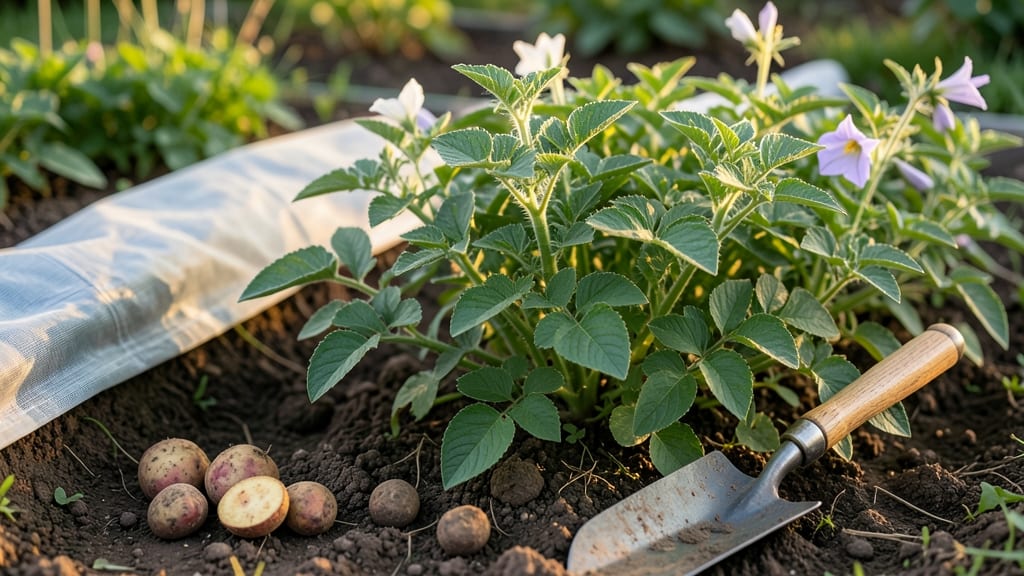
If you’ve ever wondered when can you plant potatoes in Michigan, the answer isn’t just about the calendar—it’s about understanding your local frost dates, soil warmth, and even your county’s microclimate.
Plant too early, and a late frost can wipe out your 🥔 crop before it even starts. Too late, and you’ll miss the sweet spot for a bountiful harvest by summer.
Michigan’s USDA zones 5a-6b mean your ideal planting window shifts depending on whether you’re in northern or southern Michigan. Most gardeners aim for mid-April to early May, but fall planting (late August to early September) is also a smart strategy for a second crop.
The key? Waiting until the soil reaches 40–50°F—cold soil slows sprouting, and you don’t want that.
Here’s the game-changer: using county-specific frost data to fine-tune your timing. For example, Detroit’s last frost typically arrives by April 15th, while Traverse City might still see frost as late as May 1st.
I’ll show you how to calculate your exact window, so you can avoid common mistakes like planting too deep or ignoring soil temperature—both of which can turn a promising crop into a flop.
Ready to grow potatoes like a pro? Let’s break down the steps, from soil prep to harvest, so you can maximize your yield and enjoy fresh 🥔 from your garden all season long. Whether you’re a beginner or a seasoned gardener, these tips will help you plant with confidence.
Michigan potato planting dates by USDA Zone and county frost averages
Michigan’s USDA hardiness zones 5a–6b create a diverse planting landscape, where northern counties like Marquette (Zone 5a) face later frost risks than southern regions like Detroit (Zone 6b). To succeed, align your planting with county-specific frost averages—not just the state average.
For example, Grand Rapids (Zone 6a) typically sees its last frost by April 20th, while Traverse City (Zone 6a) holds off until May 5th due to lake effects.
Potatoes thrive when planted 4–6 weeks before the last frost, but soil temperature matters more than air temperature. Aim for 40–50°F soil—warmer than most gardeners expect.
In black soil regions (e.g., Saginaw Valley), potatoes can sprout earlier than in sandy soils (e.g., Upper Peninsula), where cooler soils delay germination. Use a soil thermometer to confirm readiness.
Here’s how Michigan’s three planting windows break down by zone and soil type:
| USDA Zone | County Examples | Last Frost Avg. | Ideal Planting Window | Soil Adjustment |
|---|---|---|---|---|
| 5a (North) | Marquette, Houghton | May 15–20 | April 20–May 5 | Wait for 50°F soil |
| 5b (Central) | Traverse City, Grand Rapids | April 25–May 5 | April 10–April 25 | Black soil: plant 1 week early |
| 6a (South) | Lansing, Kalamazoo | April 10–20 | March 25–April 10 | Sandy soil: delay 1 week |
| 6b (Southeast) | Detroit, Ann Arbor | April 5–15 | March 15–March 30 | Urban areas: use row covers |
Source: NOAA frost data (2023) + MSU Extension
For fall planting (a Michigan favorite for late harvests), aim for late August to early September—giving tubers time to mature before the first frost (mid-October). In Zone 5a, fall planting is riskier due to shorter frost-free days (140 days vs. 160+ in Zone 6b).
Choose early-maturing varieties like ‘Yukon Gold’ (90 days) for fall crops.
Pro tip: Extend your season with black plastic mulch or straw bales—these can warm soil by 5–10°F, letting you plant 2–3 weeks earlier in cooler zones. In sandy soils (e.g., Ottawa County), add compost or peat moss to retain moisture and speed up soil warming.
Remember: Potatoes hate cold soil. If your soil thermometer reads below 40°F, wait—even if the air is warm. Sprouted seed potatoes left in cold soil will rot before they sprout. For container growing, use heat mats to maintain 50–60°F soil in early spring.
Northern Michigan gardeners should also account for late spring frosts. The 1996 “Black Monday” frost (April 29) killed early plantings across Zone 5a. Use frost cloth for the first 2 weeks after planting to protect tender sprouts.
Finally, harvest timing varies by planting date. Spring-planted potatoes in Zone 6b are ready by late June, while fall-planted crops in Zone 5a may not mature until October 1st. Always dig a test potato at 90 days
How to calculate your exact potato planting window using frost dates
Michigan’s frost dates vary dramatically from the Upper Peninsula to Detroit, so relying on a one-size-fits-all calendar won’t work. Instead, use the Michigan State University Frost Calculator to determine your last spring frost and first fall frost—then adjust for your soil’s warmth and potato variety’s needs.
For most Michigan gardeners, this means planting 4–6 weeks before the last frost (typically mid-April to early May) or late August for fall crops.
Start by checking your USDA zone (Michigan ranges from 5a in the UP to 6b in southern counties) and your county’s 30-year frost averages from NOAA.
For example, Traverse City (Zone 5b) averages its last frost on May 10, while Kalamazoo (Zone 6a) sees its last frost by April 25.
Subtract 4–6 weeks from these dates to find your planting window—this accounts for the time it takes for seed potatoes to sprout (they need 40–50°F soil to germinate).
Next, test your soil temperature with a soil thermometer—potatoes won’t sprout until the ground reaches 45°F. In sandy soils (common in northern Michigan), warmth arrives earlier, while black soil regions (like the Thumb) may need to wait a few extra days.
Pro tip: Use black plastic mulch to warm cold soils by 5–10°F, giving you an earlier start in cooler zones.
🌱 Step-by-Step: Calculate Your Potato Planting Window
- Step 1: Find your last frost date using the MSU Frost Calculator or NOAA data for your county.
- Step 2: Subtract 4–6 weeks from your last frost date to get your planting window (e.g., May 10 – 6 weeks = March 20 for Traverse City).
- Step 3: Test soil temperature—wait until it hits 45°F (use a thermometer or feel: cold = delay, warm = plant).
- Step 4: Adjust for microclimates: Urban areas warm faster than rural; south-facing beds plant 1–2 weeks earlier than north-facing.
- Step 5: For fall planting, aim for late August (Zone 5) to early September (Zone 6), ensuring 90–120 frost-free days before the first frost.
Don’t overlook microclimates—your neighbor’s yard might be 1–2 weeks ahead of yours. Urban areas with heat islands (like Detroit) can plant 10–14 days earlier than rural farms, while low-lying spots (like the Grand Valley) may experience late frosts.
Use a minimum thermometer to track nighttime lows in your garden bed for a full week to confirm safety.
For fall potatoes, the goal is to plant 90–120 days before the first frost. In northern Michigan (Zone 5a), this means late August planting for a mid-October harvest; in southern Michigan (Zone 6b), you can stretch to early September.
Use fast-maturing varieties like ‘Yukon Gold’ (75 days) or ‘Red Norland’ (85 days) to hedge against early frosts.
Finally, account for seed potato sprouting time. Chit (pre-sprout) your seed potatoes indoors 4–6 weeks before planting to ensure they’re ready to grow as soon as the soil warms. Place them in a bright, cool spot (50–60°F)—avoid direct sunlight, which turns sprouts green and bitter.
With these steps, you’ll maximize your harvest and avoid the heartbreak of frost-nipped plants.