
Companion Plants
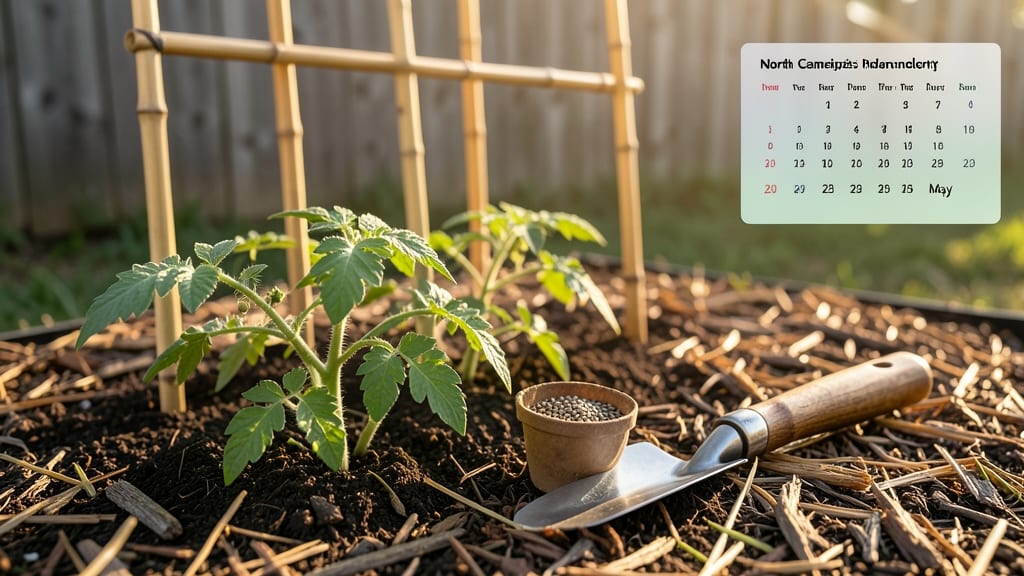
When do I plant tomatoes in North Carolina? Timing your tomato planting is the key to avoiding frost damage and maximizing your harvest—so when exactly should you start? With USDA zones 7a-8b and unpredictable spring weather, getting this right means the difference between a bumper crop of juicy 🍅 and wilted disappointment.
Most gardeners in NC kick off their tomato season between mid-April and early June, but the exact timing depends on where you live. Coastal areas can plant earlier, while Piedmont regions should wait until after the last frost date—typically around April 15th.
Even if you're eager to get growing, rushing it can leave your plants vulnerable to late frosts or soil that's still too cold.
Here’s what you need to know: soil temperature matters just as much as air temperature. Tomatoes thrive when the ground reaches 60°F, so test it before planting.
In Zone 8b, you might even squeeze in a second planting in late June for fall harvests—just choose heat-tolerant varieties like 'Solar Fire' or 'Celebrity' that won’t bolt in the summer heat.
Ready to set your tomatoes up for success? I’ll walk you through the best planting windows, soil prep tricks, and the top varieties that perform best in NC’s climate—so you can enjoy homegrown tomatoes from June to October without the guesswork.
Best planting timeline for tomatoes in North Carolina by region
Timing your tomato planting in North Carolina isn’t one-size-fits-all—your USDA zone (7a–8b) and microclimate (Coastal, Piedmont, or Mountain) drastically change when you should plant. Coastal areas like Wilmington have earlier frost-free dates (mid-March), while the Mountains (Asheville) may wait until late April to early May.
The key is planting after soil temperatures hit 60°F and all frost risk has passed.
North Carolina’s last average frost dates vary by region: Coastal areas (Zone 8a) can plant as early as mid-March, Piedmont (Zone 7b) typically waits until mid-April, and Mountain regions (Zone 7a) often delay until late April to early May.
Using black plastic mulch can warm soil faster, extending your planting window by 1–2 weeks in cooler zones.
For the most accurate timing, check your local NC State Extension office or use the NC AgClimate tool for real-time frost predictions. I’ve planted tomatoes in Raleigh for years, and I always cross-reference these resources with my own soil thermometer readings—never trust just the calendar!
Here’s how to break it down by region, including indoor starts (for early varieties) and direct sowing outdoors:
| Region | USDA Zone | Indoor Start (Weeks Before Last Frost) | Outdoor Planting Window | Soil Temp Threshold |
|---|---|---|---|---|
| Coastal (e.g., Wilmington, Morehead City) | 8a | 6–8 weeks before mid-March | Mid-March to early April | 60°F+ |
| Piedmont (e.g., Raleigh, Charlotte) | 7b | 6–8 weeks before mid-April | Mid-April to early May | 60°F+ |
| Mountains (e.g., Asheville, Boone) | 7a | 6–8 weeks before late April | Late April to early May | 65°F+ (cooler soils) |
If you’re growing heirloom or late-season varieties, you can also plant a second crop in late June for a fall harvest. These “succession plants” mature just in time for October’s cooler temperatures, avoiding the brutal July–August heat that stresses tomato plants.
I’ve had great success with ‘Celebrity’ and ‘Solar Fire’ in my Piedmont garden using this method.
For container gardening, start seeds indoors 8–10 weeks before your last frost date and transplant seedlings into 5-gallon pots once soil warms. Containers heat up faster, so monitor moisture closely—especially in Zone 8a areas where afternoon temps can exceed 90°F.
One mistake I’ve seen new gardeners make is planting too early without frost cloth protection. Even in Zone 8a, a late frost in March can kill young seedlings. Always have row covers or cold frames on hand for those unpredictable NC spring nights.
Finally, consider soil temperature over air temperature. A soil thermometer ($15 at garden centers) is worth its weight in gold—tomatoes won’t germinate well in soils below 60°F, even if the air feels warm.
I’ve wasted seed packets waiting for “the right time” only to realize the soil was still too cold!
To summarize, your NC tomato planting timeline should align with these key milestones:
- Start seeds indoors 6–8 weeks before last frost (Coastal: Feb; Piedmont: Mar; Mountains: Apr).
- Hardening off seedlings 1–2 weeks before transplanting.
- Plant outdoors only after soil hits 60°F+ and frost risk is gone.
- Mulch immediately to retain moisture and regulate soil temp.
With these regional guidelines, you’ll avoid the heartbreak of frost-nipped plants or wilting vines from summer heat. Next, we’ll dive into the best heat-tolerant tomato varieties for NC’s climate—trust me, not all tomatoes handle our summers equally!
Heat-tolerant tomato varieties that thrive in NC’s summer heat
North Carolina’s summers can hit 90°F+, making heat tolerance a must for your tomato plants. The right varieties won’t just survive—they’ll produce juicy, flavorful fruit even when temperatures soar.
I’ve grown these top performers in my Piedmont garden and they consistently deliver, whether you’re in the coastal humidity or mountain heat.
For early-season planting (April–May), prioritize varieties that handle late spring frosts and scorching summers. Look for types labeled “heat-tolerant” or “disease-resistant”—these traits go hand-in-hand in NC’s climate. My go-to is ‘Celebrity’, a classic that matures in 70 days and resists cracking, even in our unpredictable humidity.
Here’s my shortlist of heat-proof varieties, ranked by performance in NC’s zones 7a–8b, with notes on flavor, yield, and care tips:
| Variety | Days to Harvest | Heat Tolerance | Flavor Profile | Best For |
|---|---|---|---|---|
| Celebrity | 70 | Excellent (8/10) | Balanced, sweet | Containers, urban gardens |
| Solar Fire | 65 | Superior (9/10) | Sweet, tangy | Hot climates, late planting |
| Arkansas Traveler | 75 | High (7/10) | Rich, smoky | Heirloom lovers, Piedmont |
| Mountain Merit | 68 | Good (6/10) | Mild, consistent | Beginner gardeners, early harvests |
| Heatmaster | 60 | Exceptional (10/10) | Tangy, crisp | Coastal areas, late starts |
Pro tip: If you’re planting in late May or June for a fall harvest, ‘Solar Fire’ or ‘Heatmaster’ are my top picks—they thrive when most tomatoes wilt. For container gardening, ‘Tiny Tim’ (dwarf variety) stays compact but still delivers heat-resistant fruit.
Pair these varieties with shade cloth during peak afternoon heat (1–4 PM) to protect young plants. I’ve seen yields drop by 30%+ when seedlings aren’t acclimated gradually. Start seeds indoors 6–8 weeks before your last frost date, then harden them off with partial shade for the first week outdoors.
For coastal NC, where humidity spikes, opt for disease-resistant types like ‘Mountain Merit’—it’s bred to fight early blight and septoria leaf spot, two of our biggest foes. In the mountains, where nights cool quickly, ‘Arkansas Traveler’ shines with its thick skin and slow ripening.