
Plants
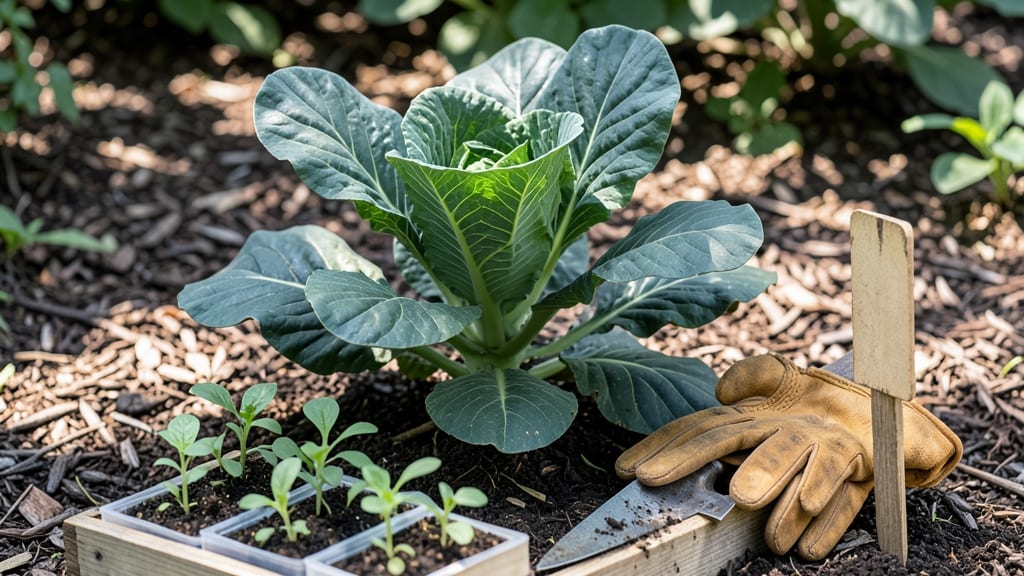
Planting collards in North Carolina at the wrong time can mean the difference between a thriving garden and a sad, wilted pile of greens.
With USDA zones 7a-8b offering both mild winters and hot summers, timing your 🥬 plantings correctly is the key to avoiding frost damage or bolting before harvest.
If you’ve ever wondered why some gardeners in Raleigh get perfect collards while others in Asheville struggle, the answer lies in understanding your local frost dates and microclimates.
Spring plantings need to happen just as the last frost passes, while fall plantings should start early enough to mature before winter sets in.
In this guide, I’ll break down exactly when to plant collards in North Carolina—whether you’re in the coastal plains or the mountain regions—so you can enjoy 60-70 days of crisp, flavorful harvests. No more guessing games, just proven strategies for your zone.
Ready to transform your garden? Let’s dive into the perfect planting schedule for your 🥬 patch, tailored to your corner of the state.
North Carolina collard planting dates by county: USDA Zone & frost timeline
North Carolina’s diverse climate means collard planting dates vary wildly between the mountains and coastal plains. In USDA Zone 7a (like Asheville), your last frost typically hits March 15, while Zone 8b (Wilmington) may see frost as late as February 20.
These differences create a 4-week window for planting adjustments across the state.
For most of North Carolina, spring planting should begin mid-March to early April, with fall planting starting late July to early August.
However, gardeners in higher elevations (e.g., Boone) should delay spring planting until late April to avoid frost damage, while coastal areas (e.g., Morehead City) can plant as early as February 20 for a head start.
Here’s how to align your planting with your county’s frost-free season and USDA zone for maximum success:
| Region | USDA Zone | Last Frost Date | Spring Planting Window | Fall Planting Window |
|---|---|---|---|---|
| Mountains (Asheville, Boone) | 7a | March 15 | Late April - Early May | Late July - Early August |
| Piedmont (Raleigh, Greensboro) | 7b | March 1 | Mid-March - Early April | Late July - Early August |
| Coastal Plains (Wilmington, Fayetteville) | 8a-8b | February 20 | February 20 - March 15 | Late July - Early August |
| Outer Banks (Manteo, Nags Head) | 8b | February 15 | February 15 - March 10 | Late July - Early August |
*Adjust dates 1-2 weeks earlier for urban areas with heat islands (e.g., Charlotte, Raleigh).
If you’re planting seeds directly, aim to sow 4-6 weeks before your region’s last frost date. For example, Piedmont gardeners should start seeds February 15 for a March 15 transplant, while mountain gardeners should wait until March 15 for seeds or April 15 for transplants.
For fall harvests, prioritize planting 60-70 days before your first frost. In Zone 7a, this means late July plantings will yield greens through November, while Zone 8b gardeners can extend harvests until December with proper row covers.
Pro tip: Use NC State Extension’s frost maps (available online) to pinpoint your exact last frost date. Even within 50 miles, dates can shift by 1-2 weeks due to elevation or proximity to water.
In urban gardens, like Charlotte or Raleigh, heat islands can push last frost dates 1-2 weeks later than rural areas. If your neighborhood feels warmer, consider planting 10-14 days earlier than the table suggests.
For overwintering collards, plant late summer (August) in Zone 8b and use mulch or row covers to protect plants through light frosts. In Zone 7a, focus on fall planting for harvests before November 15.
How to adjust collard planting dates for North Carolina’s microclimates
North Carolina’s geography creates microclimates that can shift your collard planting window by weeks—especially between the mountains, piedmont, and coast. For example, Asheville’s USDA Zone 7b often sees frost until April 15, while Wilmington’s Zone 8a might be frost-free by March 1.
Understanding these variations helps you avoid planting too early in cold pockets or too late in warm valleys.
Elevation plays a huge role. Mountain gardens (like those in Henderson County) can experience 5°F colder nighttime temps than nearby piedmont areas, delaying spring plantings by 2-3 weeks.
Meanwhile, coastal regions (e.g., Carteret County) may have warmer soils by late February, allowing earlier starts. Always check your local frost-free date—not just the statewide average.
Urban heat islands in cities like Raleigh or Charlotte can create microclimates where sidewalks and buildings trap heat, letting you plant 1-2 weeks earlier than rural areas just 10 miles away.
If your garden sits near pavement or buildings, test soil warmth with a soil thermometer—aim for 50°F before planting.
- 🏔️ Mountains (Zones 6b-7a): Delay spring plantings until April 15-May 1 due to late frosts. Use row covers to extend fall harvests.
- 🏙️ Piedmont (Zones 7a-7b): Plant spring collards March 15-April 1 and fall collards August 1-September 1 for best results.
- 🌊 Coastal Plains (Zones 8a-8b): Start spring plantings as early as February 20 and fall plantings by July 15.
- 🏙️ Urban Heat Islands: Plant 1-2 weeks earlier than rural areas; monitor soil temps closely.
- 🌡️ Soil Warmth Test: Use a soil thermometer—plant when soil reaches 50°F for 5+ days.
For gardeners in frost-prone areas like the Blue Ridge Mountains, row covers or cold frames can push your planting window back by 3-4 weeks. These tools create a 5-10°F warmer microclimate, letting you start seeds earlier or extend fall harvests.
In my own Zone 7a garden, I’ve used row covers to plant collards in mid-March without frost damage.
Don’t forget about succession planting—especially in warmer microclimates. By staggering plantings every 2-3 weeks from March to May, you can ensure a continuous harvest. In Wilmington’s Zone 8a, I’ve had collards ready for harvest from October through March using this strategy.
If you’re unsure about your microclimate, start with your local Cooperative Extension office—they provide free frost-date maps and gardening advice tailored to your county. For example, NC State Extension offers county-specific planting calendars that account for local variations.
With these adjustments, you’ll master collard timing no matter where you garden in North Carolina.