
Plants
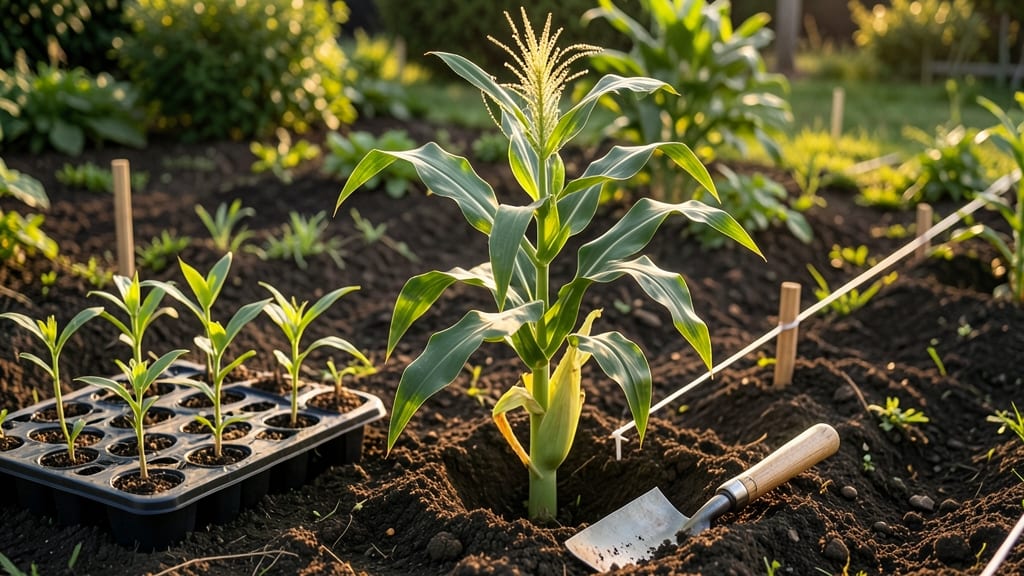
Timing your 🌽 corn planting in Colorado isn’t just about the calendar—it’s a high-stakes game of frost, elevation, and soil temperature. Get it wrong, and you’ll either watch your seedlings freeze or rush to harvest before kernels mature.
The good news? With Colorado’s USDA Zones 5-7, you’ve got a 3-month window to plant right—but the exact dates depend on whether you’re in the Front Range or Eastern Plains.
Most Colorado gardeners aim for mid-April to early June, but that’s just the starting point. Soil needs to hit 50°F+ for germination, and highland zones like Zone 7 often wait until late May to avoid late frosts.
Meanwhile, lowland areas can start as early as April 15—if you’re brave enough to gamble on the weather.
Here’s the game-changer: short-season varieties are your best friend in Colorado’s unpredictable climate. Sweet corn like ‘Golden Bantam’ (60 days) or ‘Peaches & Cream’ (85 days) thrive in 120-180 frost-free days, while dent corn can stretch to 150 days.
We’ll break down the exact planting timeline for your elevation, plus how to adjust for soil type and pests that love Colorado’s cornfields.
Ready to avoid the #1 mistake—planting too early and losing your crop? Let’s dive into the science-backed schedule that’ll have your 🌽 ears plump and ready by July, no matter where you garden in the Centennial State.
Colorado corn planting dates by elevation Zone (2024 guide)
Colorado’s dramatic elevation shifts—from the Eastern Plains to the Rocky Mountain foothills—mean your corn’s planting window can vary by up to 6 weeks. Lowland areas like Denver (5,280 ft) have longer growing seasons, while high-altitude valleys (8,000+ ft) demand earlier starts.
Use this zone-based guide to align your planting with soil temperatures and last-frost averages from Colorado State University data.
For accurate timing, check your local USDA Plant Hardiness Zone (Colorado spans Zones 5–7) and verify soil warmth with a soil thermometer. Corn seeds won’t germinate until soil reaches 50°F, but optimal growth starts at 60°F+.
In highland zones (7,000+ ft), wait until May 15–June 1 to avoid late-spring frosts.
🌽 PRO TIP: Use black plastic mulch in cooler zones to warm soil 5–10°F faster and extend the planting window by 2–3 weeks.
| Elevation Zone | Planting Window | Last Frost Avg. | Soil Temp. Goal | Recommended Varieties |
|---|---|---|---|---|
| Lowland (3,000–5,000 ft) | Mid-April to May 15 | April 1–15 | 60°F+ | Pioneer 39T38, Golden Bantam |
| Mid-Elevation (5,000–7,000 ft) | Late April to May 30 | April 15–May 1 | 65°F+ | Early Sunglow, Bodacious |
| Highland (7,000+ ft) | May 15–June 1 | May 15–June 1 | 70°F+ | Early Golden, Golden Cross Bantam |
In lowland zones (3,000–5,000 ft), like the Pueblo or Fort Collins areas, you can plant sweet corn varieties as early as mid-April if soil temps are stable.
However, drought-prone years may require delaying until May 1 to conserve moisture. Always test soil moisture by squeezing a handful—if it doesn’t crumble, wait 1–2 weeks.
🌡️ KEY FACTOR: Soil temperature trumps calendar dates. Use a soil thermometer to confirm 60°F+ at 4-inch depth before planting. In Denver’s urban heat islands, soil may warm 5–7 days earlier than rural areas.
For highland gardeners (7,000+ ft), prioritize short-season varieties like Early Sunglow (75-day maturity). Plant in warmed soil (use black plastic mulch) and consider row covers to protect young plants from late frosts.
In Grand Junction or Durango, aim for May 20–June 1 to avoid June snow events.
Colorado’s microclimates can shift planting windows by weeks. For example, Boulder’s flatlands may align with Denver’s schedule, but Boulder County’s mountain slopes can be 2 weeks later. Always scout your yard for frost pockets—low areas hold cold air longer.
If you’re unsure about your elevation’s frost risks, check the Colorado Climate Center’s frost maps or use the National Weather Service’s Almanac for your ZIP code. For high-altitude gardens, consider starter plants (transplant after May 15) to bypass slow germination in cool soils.
🌱 READY TO PLANT? Bookmark this guide and monitor your soil’s warmth trend—corn’s germination window is only 7–10 days at optimal temps. Miss it, and you’ll face stunted growth or pest pressure.
How to adjust corn planting for Colorado’s microclimates and soil types
Colorado’s microclimates and soil diversity demand smart adjustments to your corn planting strategy. Whether you're dealing with clay-heavy soils in the Eastern Plains or sandy loam on the Western Slope, these tweaks will maximize your yield.
Start by testing your soil’s drainage and pH—corn thrives in 6.0–6.8 pH and well-draining soil. If your soil is compacted, consider raised beds or hill planting to improve aeration and warmth.
For high-altitude gardens (7,000+ ft), where growing seasons are shorter, opt for early-maturing varieties like ‘Early Sunglow’ (60–65 days) or ‘Golden Bantam’ (70 days). These varieties can squeeze in a harvest before first frost in late September.
Use black plastic mulch to warm the soil faster and extend the season by 2–3 weeks. Lay the mulch down 1–2 weeks before planting to give the soil a head start.
🌱 Pro Tips for Colorado Corn Growers
- Soak seeds overnight in lukewarm water to speed germination in cooler soils (50–55°F).
- Plant companion crops like beans or squash to improve soil nitrogen and deter pests.
- Use drip irrigation to keep soil moisture consistent, especially during tasseling and silking (critical growth stages).
- In lowland areas (3,000–5,000 ft), stagger plantings every 2 weeks for a prolonged harvest.
- Monitor for corn earworm and corn rootworm—common in Colorado. Use row covers early in the season to protect young plants.
If your garden sits in a windy or exposed area, create a windbreak using corn stalks from the previous year or a temporary fence. Wind stress can stunt growth and increase disease susceptibility.
For sandy soils, amend with compost or aged manure to retain moisture and nutrients. Sandy soil drains too quickly, leading to nutrient leaching and poor root development.
For highland gardens (7,000+ ft), consider container growing if your season is too short for in-ground planting. Use large pots (10+ gallons) filled with a mix of potting soil and compost.
Place containers in a south-facing location to maximize sunlight exposure. Varieties like ‘Ambrosia’ (80 days) or ‘Peaches and Cream’ (85 days) are better suited for containers and shorter seasons.
Finally, pay attention to local frost advisories and adjust your planting timeline accordingly. Use a soil thermometer to confirm the soil has reached 60°F—corn seeds won’t germinate below 50°F.
If frost threatens after planting, cover young seedlings with frost blankets or row covers until temperatures stabilize. Patience and preparation are key to beating Colorado’s unpredictable weather.
With these adjustments, you’ll give your corn the best chance to thrive in Colorado’s unique growing conditions. Happy planting! 🌽