
Plants
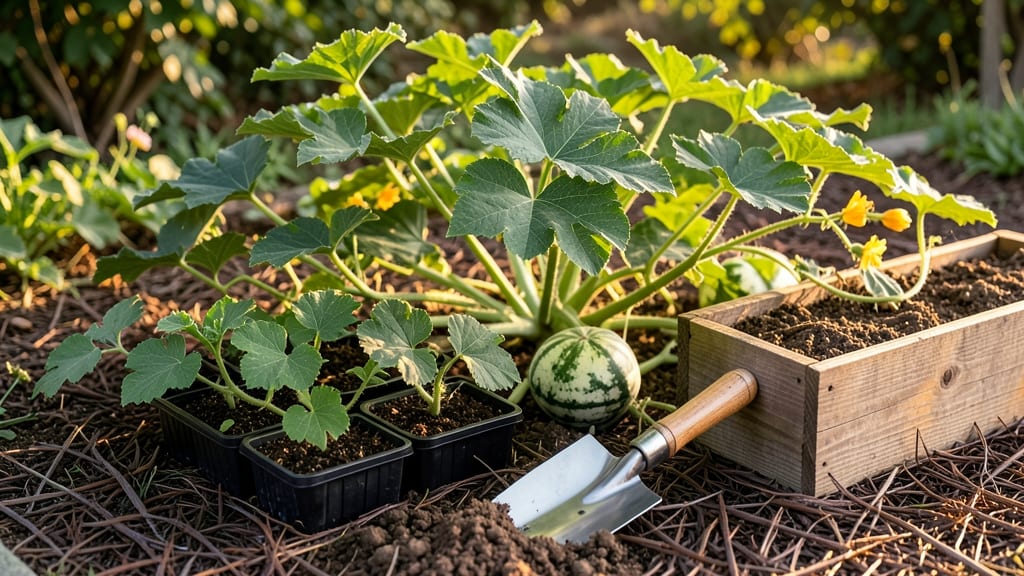
Planting watermelons in Texas isn’t just about dropping seeds in the dirt—it’s about mastering the perfect timing to beat frost, heat stress, and inconsistent rainfall.
Whether you’re in frost-prone North Texas or balmy South Texas, getting the schedule wrong means either waiting too long for harvest or watching your crop wither under early summer heat.
I’ve grown watermelons across Texas hardiness zones 8a-10b, and the difference between a bumper crop of sweet 🍉 and a failed patch comes down to one thing: planting at the right moment.
Too early, and a late frost will kill your seedlings. Too late, and your melons mature just as the scorching August sun turns your garden into a sauna.
In this guide, I’ll break down the exact frost-free planting windows for every Texas region, plus pro tips to extend your growing season—whether you’re in Dallas, Austin, or the Rio Grande Valley.
You’ll learn when to start seeds indoors (or skip it entirely), how to prep soil for maximum heat tolerance, and which varieties thrive in Texas’ brutal summers.
Ready to turn your backyard into a watermelon oasis? Let’s dive into the zone-specific schedule that’ll have you slicing into juicy, homegrown watermelons by midsummer—no guesswork required.
Texas watermelon planting calendar by hardiness Zone (8a-10a)
Timing your watermelon planting in Texas depends entirely on your USDA hardiness zone. North Texas (Zone 8a) has later last-frost dates than South Texas (Zone 10a), so planting windows shift dramatically. For all zones, soil temperature is your best guide—watermelons need soil at 70°F or warmer to germinate properly.
In North Texas (Zone 8a), where frost lingers until mid-March, you’ll want to wait until late April to plant. This ensures your vines establish before summer’s brutal heat arrives. Meanwhile, South Texas (Zones 9b-10a) gardeners can start as early as February, giving them a longer growing season.
Central Texas (Zones 8b-9a) offers the most flexibility, with ideal planting dates between mid-March and late April. This range accounts for both early varieties and late-season heat, ensuring you avoid both frost and scorching temperatures.
🌱
| Zone | Last Frost Date | Best Planting Window | Soil Temp Threshold | Harvest Window |
|---|---|---|---|---|
| 8a (North Texas) | March 15 | Late April - Mid-May | 70°F+ | July - September |
| 8b-9a (Central Texas) | February 15 | Mid-March - Late April | 70°F+ | June - August |
| 9b-10a (South Texas) | January 15 | February - Early April | 70°F+ | May - September |
For North Texas gardeners, the April 15 mark is critical—planting before this date risks late-spring frosts, while planting after may lead to overripe melons by summer’s end. Use black plastic mulch to warm the soil faster and create a microclimate for earlier planting if needed.
In Central and South Texas, you can push planting into early June for late-season varieties, but expect smaller yields. These areas benefit from succession planting: sow seeds every 2-3 weeks from February through April to stagger your harvest and avoid glutting your kitchen.
💧
Pro tip: Use a soil thermometer to confirm readiness. Watermelon seeds won’t germinate below 68°F, and even at 70°F, germination takes 7-10 days. If your soil is cooler, try seedling transplants instead of direct sowing to shave off critical days.
🌡️
Remember, Texas humidity plays a role too. In East Texas (higher humidity), opt for disease-resistant varieties like 'Crimson Sweet' and space plants 6 feet apart for better airflow. In West Texas, prioritize drought-tolerant types like 'Sugar Baby' and mulch heavily to retain moisture.
✅
How to extend your Texas watermelon season (early vs. late planting)
Texas’ long, hot summers make watermelons a favorite, but our variable frost dates and intense heat waves can sabotage your harvest. The key to success? Strategic planting—whether you’re beating early frosts in North Texas or avoiding summer scorching in the Rio Grande Valley.
With the right techniques, you can stretch your growing season from spring to fall and enjoy homegrown melons for months.
For North Texas gardeners (Zone 8a), early frosts in March mean you’ll need to act fast. Start seeds indoors 4-6 weeks before your last frost date (around February 15) to give seedlings a head start.
Use row covers or black plastic mulch to warm the soil and protect young plants from lingering cold snaps. In Central Texas (Zones 8b-9a), you’ve got a slightly longer window—direct-sow seeds as early as February if your soil stays above 70°F.
- ✅ Use cold-hardy varieties like 'Black Diamond' or 'Sugar Baby'—they tolerate cooler soils better than standard types.
- ✅ Start seeds indoors (4-6 weeks before last frost) and transplant after soil warms to 70°F+.
- ✅ Apply black plastic mulch 2-3 weeks before planting to raise soil temps by 5-10°F.
- ✅ Plant in raised beds for faster warming and better drainage in clay-heavy Texas soils.
- ✅ Succession plant every 2 weeks from April to June for a continuous harvest.
If you’re in South Texas (Zones 9b-10a), your biggest challenge is heat stress, not frost. To avoid wilting vines, plant shade-tolerant varieties like 'Charleston Gray' and use drip irrigation to keep roots cool.
For a fall harvest, sow seeds in late July or early August—just be sure to choose fast-maturing varieties (60-70 days) to beat the first frost in December.
Urban gardeners in cities like Austin or Dallas face unique microclimates. Pavement and buildings can create "heat islands," so opt for container growing with self-watering pots to regulate moisture.
In rural areas, windbreaks (like tall sunflowers or corn) protect vines from drying winds, while trellises save space and improve air circulation.
Pro tip: Monitor soil temperature with a cheap thermometer—watermelons won’t germinate below 70°F, even if air temps are warm. If your soil is still chilly in spring, try warm-season cover crops like buckwheat to speed up warming.
And always harvest before the heat peaks (July-August in most of Texas) to avoid bitter, seedy fruit.
With these strategies, you can enjoy homegrown watermelons from May through September—no matter where you garden in Texas. Just remember: soil temp > air temp, shade > scorching, and succession > single planting. Happy growing! 🌞🍉