
Plants
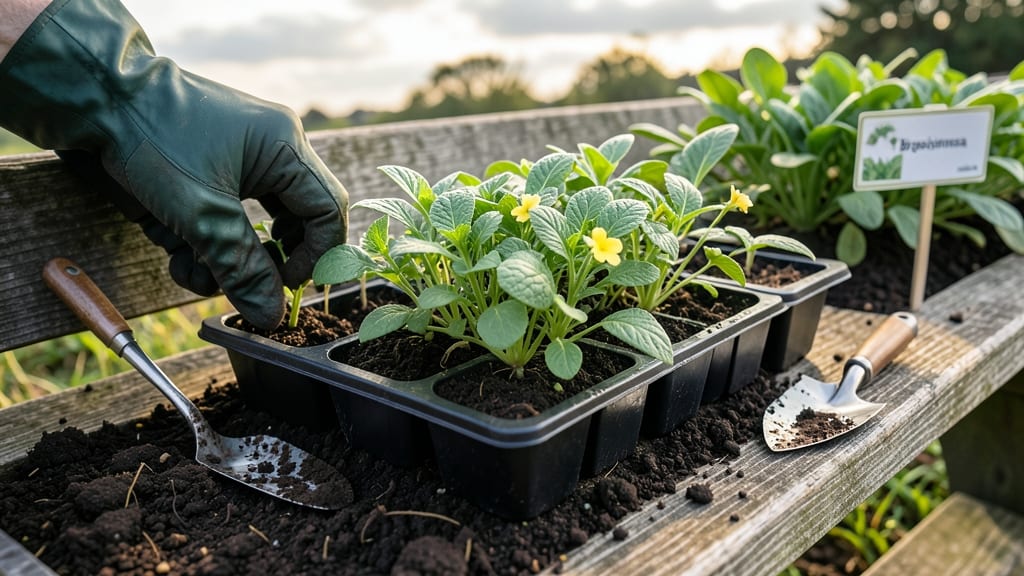
The perfect timing for planting mustard greens in Louisiana hinges on one thing: avoiding the heat. Skip the summer months, and you’ll miss out on bitter flavors and bolted plants. Instead, focus on fall and early spring when temperatures stay mild—ideal for growing these leafy greens 🌱 without stress.
In Louisiana’s 8a-9b zones, mustard greens thrive best when planted between September and October for a fall harvest or February and March for spring. This timing lets you enjoy fresh greens before the summer heat sets in, ensuring tender leaves and a longer harvest window.
But here’s the secret: don’t wait until the last frost date. Plant 4-6 weeks before the first frost in fall (usually around early December) to maximize your harvest.
For spring, start seeds indoors in late January to transplant outside by February. This head start gives your greens the cool weather they crave.
Ready to grow? I’ll walk you through the exact steps—from soil prep to spacing—to guarantee a bountiful crop. Let’s get those mustard greens thriving in your Louisiana garden!
Louisiana’s ideal planting window for mustard greens: frost dates & heat tolerance
Mustard greens thrive in Louisiana’s mild winters and warm springs, but timing is critical to avoid bitter flavors or premature bolting. The optimal window spans late summer to early spring, aligning with the state’s USDA zones 8a–9b.
In most of Louisiana, your last frost date falls around February 15, while the first frost typically arrives by December 1. This gives you a 240-day frost-free season—perfect for cool-season crops like mustard greens.
For the best harvest, focus on two key planting periods: September–October for fall crops and February–March for spring crops. These windows ensure your greens mature before heat stress or frost damage sets in.
Coastal areas (like New Orleans) may have earlier last frosts (late January), while inland regions (e.g., Shreveport) might face later first frosts (mid-November). Adjust your schedule accordingly.
Mustard greens are heat-sensitive, so avoid planting during peak summer months (June–August). Temperatures above 85°F trigger bolting, turning your tender greens into bitter, seed-producing plants. Instead, opt for heat-tolerant varieties like 'Southern Giant Curled' or 'Tendergreen', which handle mild summer heat better than standard types.
These varieties also resist black rot, a common fungal issue in Louisiana’s humid climate.
| Planting Window | Ideal Varieties | Key Considerations |
|---|---|---|
| September–October (Fall) | 'Southern Giant Curled', 'Tendergreen' | Plant 4–6 weeks before first frost; harvest before temperatures drop below 40°F. |
| February–March (Spring) | 'Florida Broadleaf', 'Southern Giant' | Sow 4–6 weeks after last frost; use row covers for early starts. |
| Late Summer (August, if using shade cloth) | 'Heat-Tolerant' hybrids | Provide afternoon shade; harvest quickly to avoid bolting. |
Soil preparation is just as critical as timing. Mustard greens prefer well-draining soil with a pH of 6.0–6.8. Louisiana’s clay-heavy soils often need amendments like compost or aged manure to improve drainage.
Before planting, till in 2–3 inches of compost and mix in a balanced fertilizer (10-10-10) to boost early growth. Avoid fresh manure, which can burn tender roots and stunt development.
Spacing plays a role in yield and disease prevention. Sow seeds ½ inch deep and 1 inch apart in rows spaced 12–18 inches apart. Thin seedlings to 6–8 inches apart once they develop 2–3 true leaves.
This spacing reduces humidity-related fungal issues common in Louisiana’s climate. For container gardening, use 5-gallon pots with drainage holes and plant 3–4 seeds per pot.
If you’re in a coastal microclimate (e.g., Houma, Grand Isle), you can push your fall planting into late October thanks to milder winters. Inland areas (like Monroe or Alexandria) should plant by mid-October to avoid early frosts.
For a second fall crop, try succession planting every 2–3 weeks until late October. This staggered approach ensures a continuous harvest through November.
For spring planting, start seeds indoors 4–6 weeks before your last frost date (use a grow light to prevent leggy seedlings). Transplant outdoors when soil temperatures reach 50°F and nighttime temps stay above 40°F.
Harden off seedlings by gradually exposing them to outdoor conditions over 7–10 days to reduce transplant shock. Use shade cloth (30–50%) if planting in late March to protect young plants from intense spring sun.
Monitor your plants for bolting signs, like tall stems and yellowing leaves. If this happens, harvest immediately or remove the plant to prevent seed spread. In Louisiana’s heat, bolting often occurs when daytime temps exceed 80°F for more than 3–4 days.
To delay bolting, use shade cloth during peak afternoon heat and mulch heavily to keep roots cool. Varieties like 'Evergreen' are slightly more heat-tolerant but still require careful management.
Pro tip: Check the Louisiana State University AgCenter’s frost maps for your specific county. Their local extension offices provide hyper-local advice on planting dates, soil tests, and pest management. For example, North Louisiana gardeners might plant 1–2 weeks later than those in South Louisiana due to cooler winter temps.
Always adjust for your microclimate—even a 5-mile difference can mean 10°F temperature variations.
Louisiana’s ideal planting window for mustard greens: frost dates & heat tolerance
Mustard greens in Louisiana love cool weather—think fall and early spring—but hate humidity and heat. The ideal planting window is September to October for a fall harvest or February to March for spring, aligning with Louisiana’s USDA zones 8a-9b.
This timing avoids the sweltering summer heat that causes bolting and bitter flavors.
For fall crops, start seeds 4-6 weeks before the first frost (usually early December in most of Louisiana). In spring, transplant seedlings 4-6 weeks after the last frost (around mid-February).
Coastal areas like New Orleans may have earlier frost dates than inland regions like Shreveport, so adjust accordingly.
Heat-tolerant varieties like 'Southern Giant Curled' and 'Tendergreen' can handle mild summer heat better than others, but they still prefer cooler temps. These varieties are perfect for late summer plantings (around August) if you’re willing to provide shade and extra water.
| Planting Window | Best Varieties | Key Considerations |
|---|---|---|
| September - October (Fall) | Southern Giant Curled, Tendergreen | Cool temps, avoid frost; harvest before Dec |
| February - March (Spring) | Florida Broadleaf, Red Giant | Warm up gradually; transplant after last frost |
| August (Late Summer) | Heat-tolerant hybrids | Use shade cloth; water deeply daily |
In coastal Louisiana, where humidity is higher, focus on well-draining soil and morning watering to prevent fungal issues. Inland areas can handle slightly drier conditions but still need consistent moisture. Always test your soil pH (aim for 6.0–6.8) and amend with compost before planting.
For container gardening, use 5-gallon pots with drainage holes and plant 3-4 seeds per pot. This works well for balconies or patios in urban areas like Baton Rouge or Lafayette. Just keep pots in partial shade during peak summer afternoons to avoid stress.
Pro tip: Succession plant every 2 weeks in fall for a continuous harvest. This ensures you always have fresh greens without overcrowding. Start with 1/4-inch-deep seeds spaced 1 inch apart, then thin to 6 inches between plants for optimal growth.