
Plants
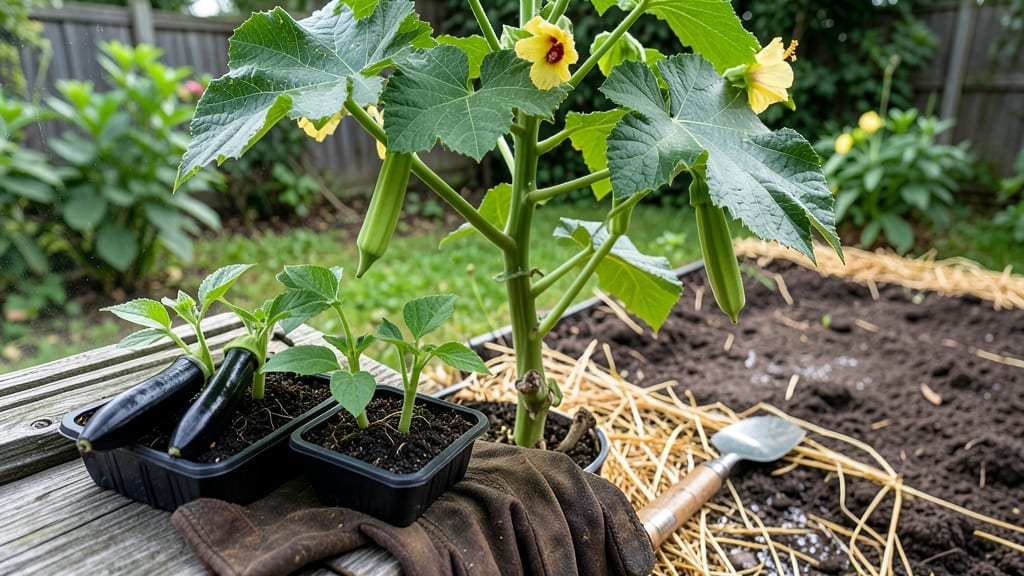
Planting okra in Texas isn’t just about dropping seeds in the dirt—it’s about timing your 🌱 harvest to outsmart the state’s unpredictable swings from frost to scorching heat. If you’ve ever watched your okra seedlings wilt in early spring or bolt before producing pods, you’re not alone.
The secret to a thriving garden lies in waiting for the soil to warm up and the last frost to fade, typically between mid-March and early July for spring planting.
Why does this matter? Okra is a heat-loving vegetable that struggles when planted too soon, even in Texas’ warmest zones like 8a-10b. Waiting until soil temperatures hit 60°F or above ensures strong root development and prevents stunted growth.
Think of it as giving your plants a head start in the race against Texas summers—because once the heat kicks in, you’ll want those pods growing fast.
In this guide, I’ll walk you through the exact windows for planting, the best heat-tolerant varieties for your region, and how to keep your okra thriving through Texas’ long, hot growing season. No more guesswork—just a clear roadmap to a garden bursting with crisp, flavorful pods from June through October.
Ready to turn your okra dreams into reality? Let’s dive into the simple steps that’ll have you harvesting like a pro—no more lost seasons or wilting plants. Your Texas garden (and taste buds) will thank you.
Texas okra planting timeline: when to start seeds after last frost dates
Planting okra in Texas isn’t just about waiting for spring—it’s about aligning your schedule with soil temperatures and avoiding those infamous late-season cold snaps. Okra thrives in heat, but cold soil slows germination, leading to weak seedlings that struggle to recover.
The ideal window starts after your last frost date, when soil temps consistently hit 60-70°F.
Texas spans USDA zones 8a-10b, meaning frost dates vary wildly. In North Texas (Dallas/Fort Worth), last frost typically lands around February 15-March 1, while South Texas (Houston/San Antonio) sees its last frost as early as January 1.
Planting too soon in North Texas risks frost damage to young plants, while South Texas gardeners can start earlier.
For precise timing, check the National Weather Service or your local agricultural extension office. They provide city-specific frost data and soil temperature forecasts. For example, Amarillo’s last frost often hits March 15, giving you a later window than Houston’s January 10 average.
🌱
| Region | Last Frost Date | Soil Temp Threshold | Best Planting Window |
|---|---|---|---|
| North Texas (Dallas/Fort Worth) | Feb 15 - Mar 1 | 60-70°F | Mid-March to early April |
| Central Texas (Austin/San Antonio) | Jan 15 - Feb 15 | 65-75°F | Late February to March |
| South Texas (Houston/Galveston) | Jan 1 - Jan 10 | 70-80°F | Mid-January to early February |
| West Texas (El Paso/Midland) | Mar 1 - Mar 15 | 60-65°F | Late March to April |
Once you’ve confirmed your last frost date, wait an extra 2-3 weeks to ensure soil warmth. Use a soil thermometer to verify temps—okra seeds won’t germinate below 60°F.
For direct sowing, plant seeds ½ inch deep in rows 18-24 inches apart to give plants room to grow their 6-10 foot stalks.
If you’re starting indoors, begin seeds 4-6 weeks before your target outdoor planting date. Use biodegradable pots and keep seedlings under grow lights until soil warms. Harden off seedlings for 7-10 days before transplanting to avoid shock.
For a second harvest, plan a fall planting in late July to early August. Okra thrives in Texas’ long, hot summers, and this timing often yields larger pods before the first frost hits in November-December.
🌡️
Pro tip: Mulch heavily after planting to retain soil heat and suppress weeds. Use straw or black plastic mulch—both help maintain consistent soil temps above 70°F, which is critical for okra’s rapid growth. Avoid organic mulches like grass clippings, which can mat down and prevent airflow.
Finally, monitor your plants for signs of stress. Yellowing leaves or stunted growth often mean soil temps dropped too low or watering was inconsistent. Adjust your care routine immediately—okra is resilient, but it demands consistency once it starts growing.
☀️
Best okra varieties for Texas heat and how to extend the growing season
Choosing the right okra varieties for Texas is half the battle—because not all okra can handle our 100°F+ summers without bolting or wilting. My top recommendation? ‘Clemson Spineless’, a heat-tolerant variety that thrives in Texas’ USDA zones 8a-10b and produces pods consistently even when temperatures soar.
It’s also spineless, making harvesting a breeze (no prickly surprises!).
For those in South Texas or areas with longer growing seasons, ‘Emerald’ is another winner—it matures quickly (around 50-60 days) and handles humidity better than most varieties.
If you’re after something unique, ‘Jamaica Red’ offers striking red pods and a slightly sweeter taste, though it may need a bit more shade in peak summer.
🌱 Pro Tip: Always check your variety’s day-length sensitivity. Some okra varieties bolt (flower prematurely) when days get too short—critical in Texas’ fall. For example, ‘Arkansas 5’ is a great choice for fall planting because it tolerates shorter daylight better than others.
🌿 Okra Varieties for Texas: Pros and Cons
✅ Heat-tolerant, spineless pods, high yield
❌ Needs consistent watering
✅ Fast-maturing (50-60 days), humidity-resistant
❌ Slightly smaller pods
✅ Unique red pods, sweeter taste
❌ Needs shade in peak heat
✅ Great for fall planting, day-length tolerant
❌ Slower to mature (60-70 days)
To extend your okra harvest in Texas, try succession planting every 2-3 weeks from April through June. This ensures a steady supply of pods instead of one big harvest followed by a crash.
For young seedlings, use shade cloth (30-50%) during the hottest part of the day to prevent stress while they establish roots.
Once your okra starts flowering, hand-pollinate if needed by gently shaking the plants in the morning. This boosts pod production, especially in humid Texas summers when bees might be less active.
And here’s a secret: harvest pods every 2-3 days—this tricks the plant into producing more, keeping it from bolting too soon.
💡 Final Tip: If you’re in North Texas (like Dallas or Fort Worth), aim for a late June planting to avoid early heat stress. In South Texas (Houston, San Antonio), you can push it to early August for a fall harvest.
Just remember: okra loves heat, but it hates cold snaps—so always have a frost cloth ready if an unexpected chill rolls in.