
Plants
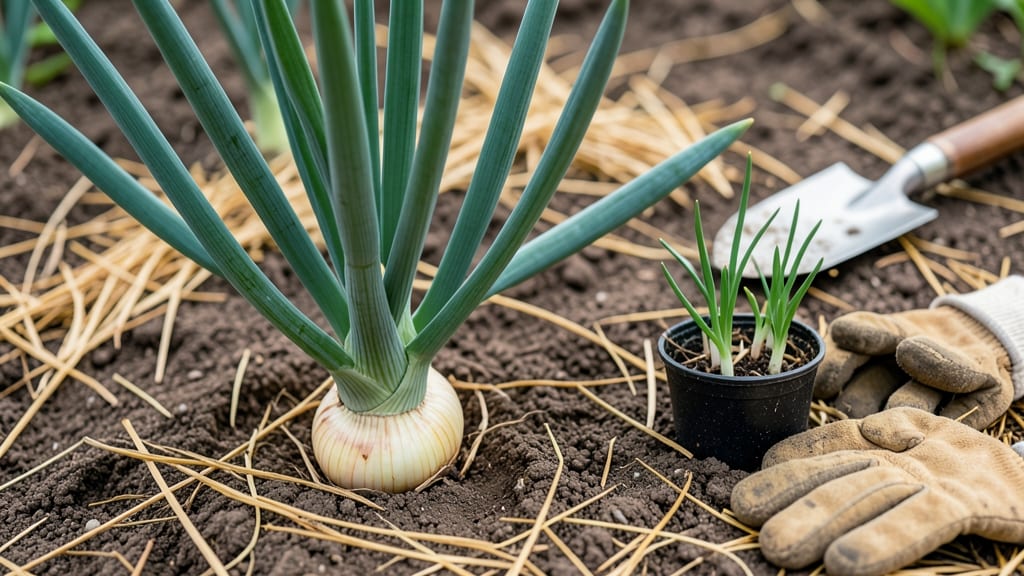
Timing your onion planting in Michigan isn’t just about the calendar—it’s about outsmarting frost, humidity, and Lake Effect weather shifts that can turn your garden into a high-stakes gamble.
One week too early, and a late frost wipes out your 🧅 seedlings before they even sprout. Too late, and your harvest shrinks before Michigan’s short growing season ends.
Here’s the game-changer: Michigan’s USDA Zones 5b-6b demand precision, with northern regions (like Traverse City) needing 2-4 weeks earlier than southern areas (like Detroit).
Whether you’re planting short-day varieties like Texas Early White or long-day types such as Candy, the frost-free window shifts dramatically depending on your exact location—and even the year.
In this guide, I’ll break down the exact planting windows for Michigan’s three onion types, plus pro tips to extend your season with row covers and soil warming.
You’ll learn how to adjust for unpredictable frost dates, choose the hardiest varieties for your zone, and even squeeze in a fall harvest if spring planting misses the mark.
No more guessing games—just a foolproof plan to grow onions that thrive in Michigan’s unpredictable climate, from March sets to July replants. Let’s get your garden set up for success.
Michigan onion planting dates by variety type (short-day, intermediate, long-day)
Michigan gardeners face a unique challenge with onions—three distinct varieties require different planting windows to avoid frost damage. Short-day onions need early starts, while long-day varieties can wait until late spring. The key? Matching your USDA zone (4-6) to the right variety and timing.
Northern Michigan (USDA Zones 4-5) has a shorter frost-free season, so short-day onions are your best bet for early harvests. Southern Michigan (Zone 6) enjoys slightly longer growing seasons, allowing for more flexibility with intermediate-day and long-day varieties.
Here’s the breakdown of optimal planting dates by onion type, tailored to Michigan’s climate quirks like Lake Effect frosts that can delay warm-up in spring:
| Onion Type | USDA Zones 4-5 (Northern MI) | USDA Zones 6 (Southern MI) | Key Varieties | Frost Risk Note |
|---|---|---|---|---|
| Short-Day | March 15–April 15 | March 1–April 1 | Texas Early White, Grano | Most vulnerable to late frost |
| Intermediate-Day | April 1–April 30 | March 15–April 15 | Sweet Spanish, Yellow Granex | Moderate risk |
| Long-Day | April 15–May 15 | April 1–May 1 | Candy, Red Baron | Least frost-sensitive |
For example, if you’re in Traverse City (Zone 5), planting Texas Early White onions on March 20th gives them enough time to mature before the average last frost date (May 10th). Meanwhile, Sweet Spanish onions in Detroit (Zone 6) can wait until April 10th without risking frost damage.
Pro tip: Use Michigan State University’s frost date maps to pinpoint your local last-frost window. For most of the state, this falls between mid-April and early May, but Lake Effect regions like Marquette can see frosts as late as May 15th—so adjust accordingly.
Missed the spring window? No problem! Plant short-day onions again in late July for a fall harvest. These 70-day varieties will mature just in time to beat the first frost (mid-October) in most areas.
Always check your soil temperature before planting—onsets need soil at least 45°F (7°C) to germinate properly. Cold soil delays sprouting and makes seedlings more susceptible to rot.
🌱
How to adjust planting dates for Michigan’s frost patterns (pro tips)
Michigan’s late spring frosts—especially in Northern Michigan—can turn your carefully planned onion garden into a frozen disappointment. The key to beating this challenge? Flexible planting strategies that account for soil temperature, frost forecasts, and even Lake Effect weather shifts.
Here’s how I adjust my planting dates to maximize success, no matter where in Michigan you garden.
First, always test your soil temperature before planting. Onions won’t germinate well in cold soil, and waiting for 45°F (7°C) ensures strong starts. Use a soil thermometer—it’s a game-changer for avoiding wasted seeds.
In USDA Zone 4 (like Marquette or Sault Ste. Marie), this might mean delaying planting until late April, even if the calendar says March.