
Plants
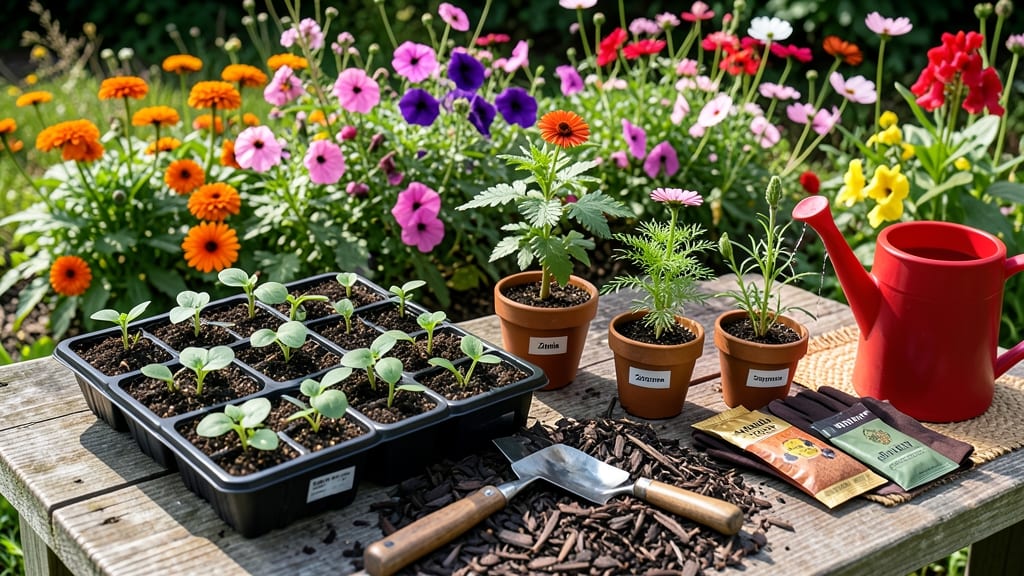
Timing your annuals planting in Chicago could mean the difference between a vibrant summer garden and a sad, frost-nipped disappointment. With USDA Zone 5-6 conditions and unpredictable lake-effect weather, knowing the exact frost-free windows is your secret weapon for success.
I’ve spent years watching Chicago’s spring transitions—from icy April winds to balmy May days—and learned that cool-season annuals like pansies can handle early sowing, while heat-lovers like marigolds demand patience until soil warms.
The key? Planting after the last average frost date, which typically lands between mid-April and early May.
But here’s the twist: Chicago’s microclimates vary wildly. Urban areas warm faster than suburbs, and lake breezes can push back planting by weeks. I’ll break down the exact dates you need, plus pro tips to stretch your growing season without risking frost damage.
Ready to turn your garden into a showstopper? Let’s dive into the science—and the shortcuts—that make Chicago’s annuals thrive, no matter how finicky Mother Nature gets.
Chicago’s frost-free planting zones: key dates by region
Chicago’s last spring frost can swing wildly—from late April to early June—thanks to its lake-effect microclimates. Urban areas like Lincoln Park often warm up faster than suburban Evanston, while southside neighborhoods near industrial zones may see frost linger longer.
For 2024 planting, I recommend tracking the National Weather Service’s frost alerts and adjusting your schedule based on these regional averages.
Most Chicago gardens fall within USDA Zone 5b-6a, but soil temperature is the real game-changer. Annuals like marigolds and zinnias need soil at 60°F+ to thrive, while cool-season pansies can handle 45°F+.
The average last frost date for downtown is May 10th, but suburban areas like Naperville may wait until May 25th.
Here’s how to use these dates: If you’re planting heat-loving annuals like portulaca, wait until Memorial Day weekend (May 27th) to avoid frost risk. For cool-season varieties, start 4-6 weeks before your last frost date—mid-April for downtown, late April for suburbs.
🌱
Chicago’s Last Frost Dates by Region
| Region | Avg. Last Frost | Safe Planting Window | Notes |
|---|---|---|---|
| Downtown (Loop, River North) | May 10th | Mid-April (cool-season) | Urban heat island effect |
| North Side (Lincoln Park, Wrigleyville) | May 15th | Late April (cool-season) | Lake breezes delay warmth |
| Suburbs (Evanston, Oak Park) | May 20th | Early May (cool-season) | Cooler microclimates |
| South Side (Bridgeport, Pullman) | May 5th | Early April (cool-season) | Warmer industrial zones |
| West Side (Berwyn, Cicero) | May 12th | Mid-April (cool-season) | Moderate lake influence |
*Dates based on 2020–2024 averages; check NWS alerts for real-time updates.
For fall planting, aim for late August to early September—this gives annuals like cosmos and pansies time to establish before the first frost (typically October 15th in downtown Chicago). Use row covers or cold frames to extend your window by 2-3 weeks.
Pro tip: Test your soil temperature with a soil thermometer before planting. Most warm-season annuals need 60°F+ soil, while cool-season varieties tolerate 45°F-55°F. If your soil is below 50°F, wait or use black plastic mulch to warm it faster.
Chicago’s first frost usually hits October 15th in the city, but suburban areas like Arlington Heights can see frost as early as October 1st. If you’re growing tender annuals like geraniums, plan to bring them indoors or harvest seeds before September 15th to avoid damage.
🌡️
Don’t rely solely on calendar dates—monitor local forecasts and adjust your planting timeline accordingly. For example, if a late-May frost is predicted, delay planting heat-loving annuals until June 1st. Conversely, if warm temperatures arrive early, you can start warm-season annuals in late April with row covers.
💡
Best annuals to plant in Chicago: grouped by frost sensitivity
Chicago’s short growing season demands smart choices when selecting annuals. The key is matching frost sensitivity with planting windows. Cool-season bloomers like pansies and snapdragons thrive in spring’s chill, while marigolds and zinnias need warm soil to sprout. Let’s break down the best annuals by their frost tolerance.
For cool-season annuals, start seeds indoors by March 15 or sow directly after the last frost date (typically mid-April). These hardy varieties handle light frosts and even 32°F nights. Sweet alyssum and stock are excellent early bloomers that self-seed reliably.
🌱 Top 5 Cool-Season Annuals for Chicago
- Pansies: Thrives in 40–60°F soil; plant March–April or August–September for fall blooms.
- Snapdragons: Starts seeds indoors 4–6 weeks before last frost; loves partial shade.
- Sweet Alyssum: Self-seeds easily; tolerates light frost and drought once established.
- Stock: Fragrant blooms; sow March–April or August for winter interest.
- Calendula: Edible petals; direct sow after last frost or late summer.
Warm-season annuals like marigolds and zinnias require soil temps above 60°F to germinate. Wait until mid-May (after Memorial Day) to plant these heat-lovers. Portulaca and lantana are drought-tolerant picks that handle Chicago’s humidity and short summers.
Pro tip: Use row covers or black plastic mulch to warm soil faster for warm-season starters. This trick can shave 1–2 weeks off your planting timeline. Always test soil temps with a thermometer—60°F+ is non-negotiable for marigolds and zinnias.
For fall planting, focus on cosmos and sunflowers, which handle cooler temps and shorter daylight. Sow these July–August for late-season color. Avoid tender varieties like geraniums after Labor Day—they won’t survive Chicago’s first frost (usually October 15–20).
Chicago’s microclimates (urban heat islands vs. lake-effect zones) can shift planting windows by 1–2 weeks. Always check local frost alerts and adjust for your specific neighborhood. With the right annuals and timing, you’ll enjoy blooms from May through October—no guessing game required! 🌻