
Plants
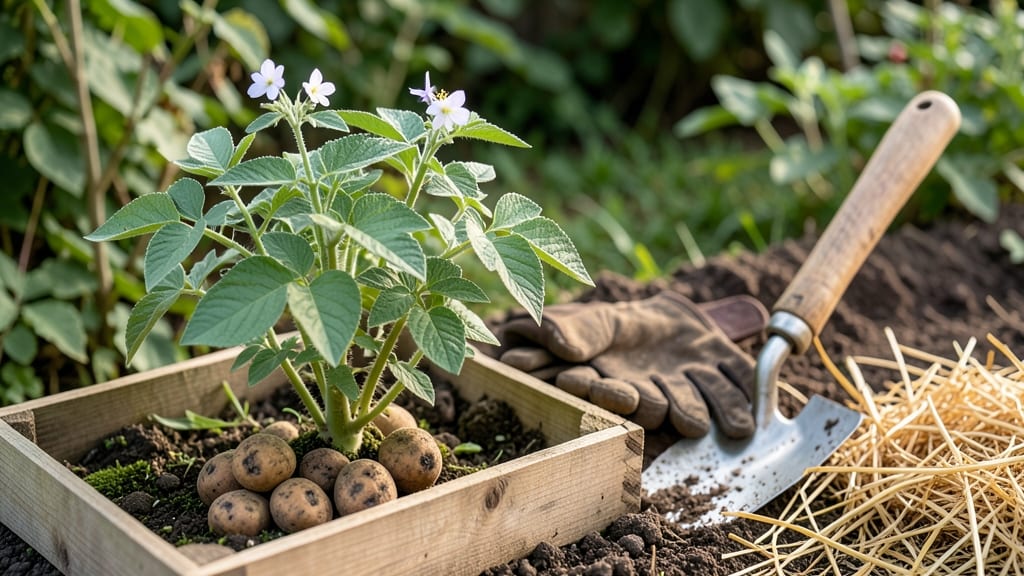
Planting potatoes in Iowa at the wrong time can mean the difference between a thriving harvest and wasted effort—especially when unpredictable spring weather throws off your best-laid plans. With USDA zones 4b-5a and frost lingering until mid-April, timing isn’t just important; it’s critical to avoid stunted growth or frost damage.
Iowa’s short growing season demands precision, but the right strategy ensures your 🥔 potatoes thrive despite the challenges. Whether you’re growing early varieties like Yukon Gold or later maturing types, knowing when to plant—from late March to early May—can maximize your yield before the first frost in October.
In this guide, I’ll break down the exact frost-free windows for Iowa’s climate, regional adjustments for cities like Des Moines and Cedar Rapids, and how to adapt when Mother Nature doesn’t cooperate. You’ll also discover the fastest-maturing varieties perfect for Iowa’s conditions.
Ready to turn your garden into a potato powerhouse? Let’s get started with the most reliable planting schedule for Iowa’s unpredictable spring.
Iowa potato planting calendar: exact dates by early, mid, and late varieties
Timing your potato planting in Iowa is all about beating the last spring frost while giving tubers enough time to mature before fall frosts.
The state’s USDA zones 4b-5a mean your exact dates depend on whether you’re growing early, mid-season, or late varieties—and which part of Iowa you’re in. For most regions, aim to plant 2-4 weeks before the average last frost date (typically April 15 in Des Moines).
Iowa’s climate throws curveballs—some years, frost lingers until May 10, while others see 60°F soil temps by early March. To hedge your bets, use soil thermometers (not air temps!) and local Iowa State University Extension frost data.
For example, Sioux City tends to warm up 1-2 weeks earlier than Cedar Rapids, so adjust accordingly.
Here’s your Iowa potato planting calendar, broken down by variety type and region:
For northern Iowa (USDA Zone 4b), like Waterloo or Davenport, push planting back 1 week later than Des Moines. Meanwhile, southern Iowa (Zone 5a), such as Ottumwa, can start 10–14 days earlier.
Pro tip: If soil temps hover below 45°F, wait—cold soil slows sprouting and invites rot diseases.
Don’t overlook fall planting for late varieties! In Iowa’s mild winters, you can plant seed potatoes in late August for a fall harvest before hard frosts. Choose cold-hardy varieties like 'Red LaSoda' and use row covers to extend the season.
Just be sure to harvest before the first frost (usually October 15), or tubers will turn mushy.
Soil prep is just as critical as timing. Work in compost or aged manure to boost nutrients, and avoid fresh manure—it can burn potato eyes and attract pests.
Aim for pH 5.0–6.5, and plant 4–6 inches deep with 12-inch spacing between tubers. Mulch with straw to retain moisture and suppress weeds.
If you’re still unsure about your local frost dates, sign up for Iowa State University’s Garden Clinic alerts or check the Midwest Regional Climate Center for real-time updates. Remember: Early varieties are your safest bet for Iowa’s short growing season—'Red Norland' or 'Kennebec' are hard to beat for reliability.
🌱
How to adjust planting dates for Iowa’s unpredictable weather patterns
Iowa’s spring weather can be as unpredictable as a whimsical wind, with late frosts lingering into May or early heatwaves arriving by April. If you’ve ever planted potatoes too early only to watch them freeze or too late to mature before fall, you know the stakes.
The key is flexibility—adjusting your planting timeline based on soil temperature, frost forecasts, and even your local microclimate.
Most gardeners in Iowa aim to plant potatoes 2-4 weeks before the last frost date, but when that date slips (like it did in 2021 when Des Moines saw frost as late as May 10), you need a backup plan.
Soil temperature is your best friend here: potatoes won’t sprout reliably until the ground reaches 45°F (7°C). Use a soil thermometer to check—if it’s colder, wait it out.
Wait-and-See vs. Early Aggressive Planting
Wait-and-See Approach
- Pros: Avoids frost damage, adapts to delays
- Cons: Risk of late planting if frost lingers
Early Aggressive Planting
- Pros: Maximizes growing season, earlier harvest
- Cons: Frost risk, needs frost protection
For the wait-and-see approach, start with early-maturing varieties (like ‘Early Red’ or ‘Chippewa’) in late April. If frost threatens, cover plants with frost cloth or straw mulch. For aggressive early planting, use a cold frame or row covers to protect seedlings until soil warms.
I’ve had success with this method in Cedar Rapids by planting in late March and using black plastic mulch to accelerate soil warming.
Don’t forget to monitor frost forecasts from the National Weather Service or Iowa State University Extension. In 2020, Sioux City saw a late frost on April 22—planting too early would have been disastrous.
Set a reminder to check weekly and adjust your timeline accordingly. If you’re in doubt, err on the side of waiting; potatoes can handle cooler soil better than they can handle frost.
Another trick? Plant a second crop of fast-maturing varieties in early June if your first planting failed or if you crave fresh spuds later in the season. Varieties like ‘Red LaSoda’ mature in just 70 days, giving you a second chance at harvest before frost.
Just be sure to use certified disease-free seed potatoes to avoid introducing blight or scab to your garden.
Finally, consider your local microclimate. Gardens in low-lying areas or near bodies of water may experience frost longer than those on hills or south-facing slopes. I’ve noticed my hillside plot in Ames warms up faster than my valley garden—adjust your planting dates accordingly.
With these strategies, you’ll beat Iowa’s weather and still end up with a bountiful potato harvest.