
Plants
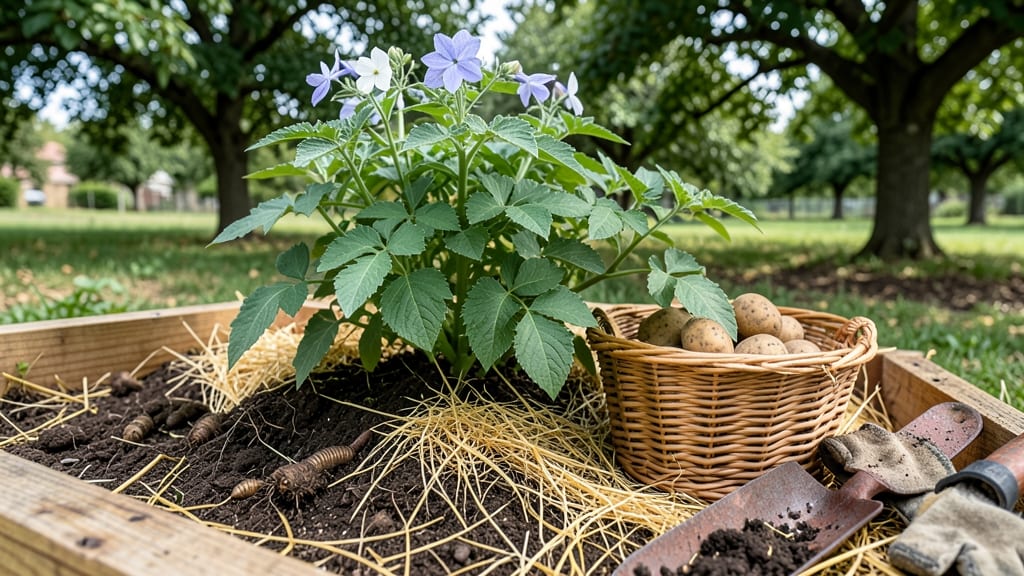
Planting potatoes in Zone 9 at the wrong time means sacrificing flavorful harvests for bitter, woody tubers—but getting the timing right unlocks crisp, zero-bolt potatoes year-round. With mild winters and long growing seasons, Zone 9 gardeners have a unique advantage: the ability to start potatoes in late fall for spring harvests, avoiding the summer heat that triggers bolting.
Most gardeners assume spring is the only window, but in Zone 9, planting 🥔 potatoes between October and March gives you a head start. The key is cooler soil temperatures (50–60°F) to prevent premature flowering, which ruins your harvest.
I’ll show you exactly when to plant for maximum yield, including heat-tolerant varieties that thrive in your climate.
Why does timing matter so much? Potatoes bolt (flower) when stressed by heat, shifting energy from tubers to seeds. In Zone 9, this happens fast—so we’ll cover shade strategies, soil prep, and mulching to keep your plants happy until harvest.
Ready to grow potatoes that taste like summer, even in the dead of winter?
Let’s dive into the perfect planting schedule, from fall starts to spring harvests, so you can enjoy homegrown 🥔 potatoes without the guesswork. You’ll learn which varieties perform best, how to adjust for your microclimate, and when to expect those first delicious tubers in April.

Zone 9 potato planting calendar: exact fall start dates by variety
In Zone 9, where summers are long and winters are mild, potatoes thrive when planted during the coolest months—typically from October to March. Unlike cooler climates, Zone 9 gardeners can enjoy two harvests per year by planting in both fall and spring.
The key is avoiding heat stress, which causes potatoes to bolt (flower prematurely) and produce bitter tubers.
For fall-planted potatoes, the ideal window is late October to early December, allowing tubers to mature before summer heat sets in. Spring planting follows a similar timeline, with February to April being optimal.
Heat-tolerant varieties like Purple Majesty and Red Pontiac are your best bets for avoiding bolting in Zone 9’s intense sun.
| Variety Type | Planting Window | Soil Temp | Days to Harvest | Harvest Month |
|---|---|---|---|---|
| Early (e.g., Yukon Gold) | Late October - Early November | 50-60°F | 70-90 days | January - February |
| Mid-Season (e.g., Red Pontiac) | Mid-November - Early December | 50-60°F | 90-110 days | February - March |
| Late (e.g., Purple Majesty) | January - Early February | 55-65°F | 110-130 days | April - May |
| Spring Varieties (e.g., Sweetheart) | February - Early March | 55-65°F | 90-110 days | May - June |
For fall planting, aim to have tubers ready to harvest by late winter or early spring, just as summer heat begins to rise. Spring planting, on the other hand, should be timed so that potatoes mature before the peak summer heat (June-August) triggers bolting.
Always chit your seed potatoes (sprout them indoors) 4-6 weeks before planting to jumpstart growth in Zone 9’s warm climate.
One critical trick for Zone 9 gardeners is to plant deeper than in cooler zones—6-8 inches deep—to keep tubers out of the scorching surface heat. Use organic mulch like straw or grass clippings to insulate the soil and retain moisture.
This method also helps prevent green skin (toxic solanine buildup) caused by sunlight exposure.
If you’re new to fall potato planting, start with certified disease-free seed potatoes and choose varieties labeled for longer growing seasons. Avoid early-maturing varieties, as they’re more prone to bolting in Zone 9’s warm winters.
For example, Red LaSoda is a reliable choice, while Kennebec may struggle unless planted in the coolest months.
Pro tip: Monitor soil temperatures with a soil thermometer—potatoes prefer 50-65°F soil. If temperatures rise above 70°F, your plants may bolt. In that case, provide afternoon shade with shade cloth or plant near taller crops like corn or sunflowers to break the intensity of the sun.
For continuous harvests, stagger your plantings every 2-3 weeks within the recommended windows. This ensures a steady supply of fresh potatoes without overcrowding your garden. Just remember: harvest before the foliage yellows completely, or you’ll risk scab and other diseases common in Zone 9’s humid summers.
Finally, rotate your planting locations yearly to prevent soil-borne diseases like potato blight. Zone 9’s warm, humid conditions create the perfect storm for these issues, so crop rotation is non-negotiable. Avoid planting potatoes in the same spot for at least 3-4 years to keep your harvests healthy and abundant.
With the right timing and varieties, Zone 9 potatoes can be just as rewarding as in cooler climates—if not more so! The secret lies in cool-season planting, deep soil coverage, and heat management.
Once you master these techniques, you’ll enjoy crisp, flavorful tubers year-round, even in the desert-like conditions of Zone 9. 🥔
How to time potato planting for zero-bolt harvests in hot climates
In Zone 9, the biggest challenge for growing potatoes isn't frost—it's heat-induced bolting. When soil temperatures climb above 65°F (18°C), your potatoes will flower prematurely, diverting energy from tubers to seeds.
This means smaller, woody harvests instead of the crisp, flavorful potatoes you crave. The secret? Planting when soil stays cool and using strategies to keep roots happy during summer's peak.
I’ve learned the hard way that spring planting in Zone 9 often leads to bolting by May. Instead, we focus on fall and winter starts when temperatures naturally drop. For example, planting in late October or November gives tubers time to establish before summer heat arrives.
This method lets you harvest by April—just as local markets start pricing potatoes high!
Here’s the critical rule: Aim for 50–60°F (10–15°C) soil temperatures at planting. Use a soil thermometer to check depths of 4–6 inches, where roots will form. If your soil runs warmer, delay planting or use shade cloth until conditions improve.
In my garden, I’ve seen Red Pontiac potatoes bolt in just 10 days when soil hits 70°F (21°C)—so timing is everything.
🔍
⚠️ Heat Stress Warning
Never plant potatoes when daytime soil temps exceed 65°F (18°C). Symptoms of heat stress include:
- Premature flowering (bolting) within 2 weeks
- Stunted foliage growth despite adequate water
- Bitter, woody tubers at harvest
Solution: Use black plastic mulch or straw mulch 4+ inches deep to insulate soil and keep roots cool. In extreme heat, provide 30–50% shade with shade cloth during peak afternoon sun.
Another trick I swear by is deeper planting. In hot climates, bury seed potatoes 4–6 inches deep (instead of the usual 2–3 inches) to shield them from surface heat. The deeper you plant, the cooler the soil stays.
Pair this with organic matter-rich soil—compost or well-rotted manure—to improve moisture retention and buffer temperature swings. I’ve seen Yukon Gold yields double when planted this way!
Watering strategy also makes or breaks your harvest. Deep, infrequent watering (1–2 inches per week) encourages deep root growth, while light, frequent watering keeps tubers shallow and prone to scab. Always water in the early morning to reduce evaporation and fungal risks.
In summer, I switch to drip irrigation to keep foliage dry—wet leaves + heat = perfect conditions for blight.
Finally, don’t forget that not all varieties handle Zone 9 heat equally. Some, like Purple Majesty, bolt faster than others. I’ve had success with Desiree and Sweetheart varieties, which tolerate warmer soils better.
If you’re experimenting, start with 5–10 seed potatoes per variety to test performance in your microclimate. Keep detailed notes on planting dates, soil temps, and harvest results—your future self will thank you!