
Plants
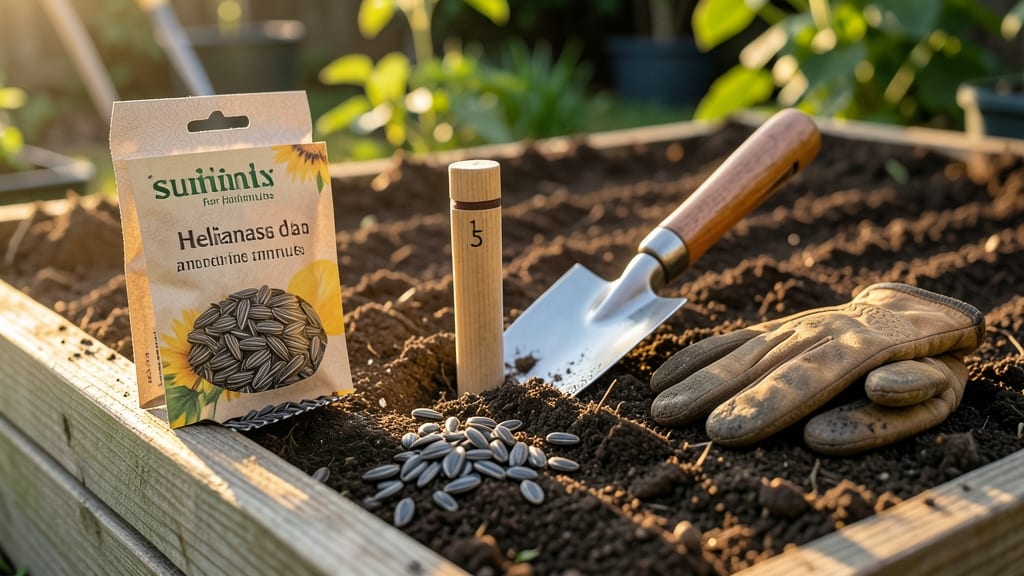
If you’ve ever wondered when do you plant sunflower seeds in Michigan to avoid the heartbreak of a late frost snuffing out your golden blooms, you know timing is everything.
Planting sunflower seeds at the wrong moment means lost blooms and wasted effort—but getting it right unlocks a summer of towering, golden beauty.
The key? Waiting for soil warmth, not just calendar dates. Michigan’s climate varies dramatically from the Upper Peninsula to Detroit, and cold, damp soil can stall germination for weeks. I’ll show you exactly when to plant in your specific zone—and how to test soil readiness like a pro.
You’ll discover the fastest way to ensure your sunflowers thrive, from choosing the right varieties for your region to extending their season without frost risk. Whether you’re a beginner or a seasoned gardener, these tips will help you grow sunflowers that reach their full potential.
Let’s dive into the perfect planting window for Michigan’s sunflowers—so you can enjoy those iconic blooms from summer right through fall.
Michigan’s sunflower planting timeline by region (soil temp guide)
Sunflowers love warmth—they won’t germinate until soil hits 60°F or higher. In Michigan, this means waiting for late spring, after the last frost date. But timing varies wildly across the state, from the Upper Peninsula’s chilly Zone 4 to southern Michigan’s Zone 6.
Northern Michigan gardeners (like those in Traverse City or Marquette) often wait until mid-May for safe planting, while southern regions (like Detroit or Ann Arbor) can start as early as late April if soil warms quickly. The key? Soil temperature, not just calendar dates.
Here’s how to break it down by region with exact planting windows and soil temp thresholds:
| Region | USDA Zone | Last Frost Date | Soil Temp Threshold | Planting Window |
|---|---|---|---|---|
| Upper Peninsula | 4-5 | Mid-May to early June | 60°F+ (consistent) | Late May - early June |
| Northern Lower Peninsula | 5a-5b | Early to mid-May | 58°F+ (minimum) | Mid-May - early June |
| Southern Michigan | 6a-6b | Late April - early May | 55°F+ (early start) | Late April - mid-May |
🌡️ Pro Tip: Use a soil thermometer—don’t guess!
For example, in Zone 5b (like Grand Rapids), I’ve planted sunflowers as early as May 1st when soil hit 62°F, but seen neighbors wait until May 15th after a late frost. The difference? Soil type—sandy soils warm faster than clay.
If you’re in doubt, err on the side of waiting. Sunflowers are annuals, so you can always replant if conditions aren’t right. I’ve had zero success planting before May 10th in northern Michigan—even with row covers.
One more trick: Check your local almanac for frost-free dates. The National Weather Service provides county-specific averages. For instance, Houghton (UP) averages 100 frost-free days, while Jackson (southern MI) hits 150+. Plant sunflowers 60 days before your first fall frost to ensure full growth.
For late bloomers, consider succession planting every 2 weeks in June for continuous summer color. Just remember: No sunflowers after July 1st in most of Michigan—they won’t mature before frost!
🌱 Key Takeaway: Soil temp > calendar date. Test your soil—your sunflowers will thank you!
How to test soil warmth for perfect sunflower germination (DIY method)
Sunflower seeds need consistent soil temperatures of at least 60°F (15.5°C) to germinate reliably. In Michigan’s cool springs, rushing planting can leave seeds sitting damp and rotting. The key? A simple soil warmth test before you drop those seeds into the ground.
You don’t need fancy equipment—a basic soil thermometer (or even a DIY hack) will tell you exactly when your garden is ready. Clay-heavy Michigan soils retain cold longer, so testing is especially critical in northern regions. Let’s break down the process step by step.
Check soil temperature at planting depth (1–2 inches deep). Use a soil thermometer for accuracy.
Test temperatures on sunny afternoons—soil warms fastest then. Early mornings can show 10°F cooler readings.
For clay soils, wait until temps hit 65°F+—they warm slower and stay colder longer.
If temps fluctuate below 60°F, hold off. Sunflowers won’t germinate until soil stays warm consistently.
Plant after 3 consecutive days of stable 60°F+ readings. This ensures seeds won’t rot waiting for warmth.
No thermometer? No problem. A DIY hack works too: Stick a thermometer in a glass of water and bury it near your planting spot. If it reads 60°F+ after sitting for 1 hour, your soil’s ready. Just avoid metal containers—they conduct heat differently.
Slow germination? Your seeds might be too cold. If they sprout unevenly or rot, dig up a seed after 10 days. If it’s mushy or moldy, your soil was too wet or cold. Adjust planting time or use row covers to warm the soil faster.
Once your soil passes the test, plant seeds ½ inch deep and keep them moist until sprouts appear. With the right warmth, you’ll see green shoots in 7–10 days—a sure sign your sunflowers are off to a great start! 🌱