
Flowers
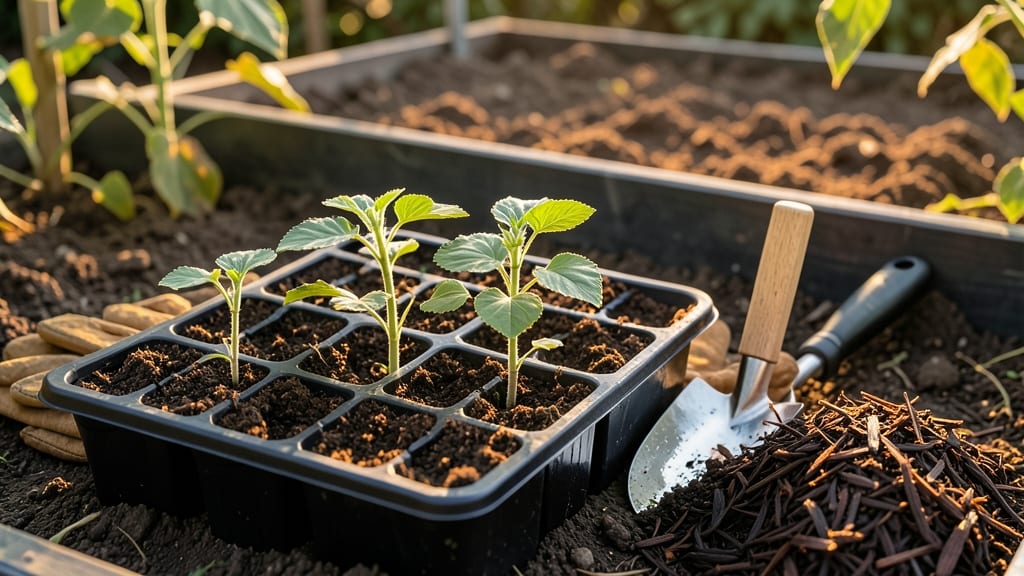
Planting sunflowers in Tennessee at the wrong time can mean the difference between a golden summer display and wasted seeds. With frost dates varying from mid-April in northern counties to late April in the south, timing is everything for your 🌻 to thrive in USDA zones 6a-7b.
Too early, and a late frost will shock tender seedlings. Too late, and you’ll miss the 180-210 frost-free days needed for full blooms. I’ll break down the exact planting windows—from mid-April in the mountains to late June for heat-loving varieties—so you can avoid common mistakes and maximize your harvest.
Whether you’re growing Teddy Bear sunflowers for quick color or towering Russian Giants for shade, the right timing ensures stronger stems, bigger blooms, and seeds ready by October. Let’s dive into the frost-date guide that’ll help you plant with confidence.
You’ll also discover how soil temperature, county-specific microclimates, and companion plants can extend your sunflower season—even if you’ve struggled with bolting in the past. Ready to grow sunflowers that steal the show?
Tennessee sunflower planting dates by county: frost-date calculator for zero bolt risk
Tennessee’s USDA zones 6a-7b create a 6-week window for planting sunflowers, but timing varies dramatically from East Tennessee’s mountains to Middle Tennessee’s valleys. The key? Plant after your last average frost date—when soil reaches 60°F+—to avoid frost damage while maximizing your 180-210 frost-free days for full growth.
For example, Shelby County’s Memphis area (zone 7b) has a March 15 last frost date, while Sevier County’s Pigeon Forge (zone 6a) waits until April 15. These differences mean planting ‘Teddy Bear’ sunflowers in late March could get frost-nipped in the mountains but thrive in West Tennessee.
Use this county-by-county guide to pinpoint your optimal planting window, adjust for microclimates (like urban heat islands in Nashville), and choose heat-tolerant varieties if you’re late to the game. Pro tip: Start seeds indoors 2-3 weeks before your last frost date for an early jumpstart.
🌱
| County/Region | USDA Zone | Last Avg. Frost | Planting Window | Best Varieties |
|---|---|---|---|---|
| East TN (Sevier, Knox, Sullivan) | 6a | April 15 | April 20 - May 15 | ‘Teddy Bear’, ‘Moulin Rouge’ |
| Middle TN (Davidson, Rutherford, Wilson) | 7a | March 30 | April 1 - May 10 | ‘Autumn Beauty’, ‘ProCut’ |
| West TN (Shelby, Fayette, Tipton) | 7b | March 15 | March 25 - June 1 | ‘Russian Giant’, ‘Sunspot’ |
| Urban Heat Islands (Nashville, Chattanooga) | 7a/7b | March 20 | March 30 - June 10 | ‘Little Becka’, ‘Pacific Giant’ |
Adjust dates 1-2 weeks earlier for urban areas or later for high elevations.
Microclimates can shift your planting window by 2+ weeks. For instance, valleys like those in Cumberland County often warm 10°F faster than ridge tops in Anderson County. To test your local conditions, place a soil thermometer in full sun—plant when it hits 60°F for 3+ days.
For late starts (after May 15), opt for heat-tolerant varieties like ‘Russian Giant’ or ‘ProCut’, which handle Tennessee’s 90°F+ summers better than delicate ‘Teddy Bears’. If you’re in zone 6a, consider fall planting in late July for a second bloom before frost.
Pro move: Use black plastic mulch to warm soil 5-10°F faster in cooler zones, or straw mulch to retain moisture in dry West Tennessee. Both tricks extend your planting window by 1-2 weeks.
🌡️
Need a quick reference? Bookmark this: Plant sunflowers 2-3 weeks after your last frost date, but no later than June 15 in most of Tennessee to ensure blooms before first frost in October.
For county-specific frost dates, check the Old Farmer’s Almanac or your local Cooperative Extension office.
Remember: Sunflowers bolt (flower prematurely) if stressed by cold or drought. The perfect Tennessee planting window balances warm soil, consistent moisture, and long daylight—all found between April and early June.
How to time sunflower planting for maximum bloom: seed depth, soil temp, and success tricks
Timing your sunflower planting isn’t just about avoiding frost—it’s about hitting the 60-65°F soil temperature that triggers germination. In Tennessee’s USDA zones 6a-7b, this typically means waiting until mid-April in the north and late March in the south, but soil thermometers never lie.
I’ve learned the hard way that rushing seedlings into cold soil leads to stunted growth or worse, rot.
For maximum bloom, plant seeds 1-1.5 inches deep in loose, well-draining soil. Press them gently to ensure good soil contact, then water thoroughly to settle the soil.
Pro tip: Use a seed starter mix in pots if your ground stays chilly past your ideal planting window—it buys you 2-3 weeks of head start.
🌱
Avoid These Planting Mistakes
- Overcrowding: Space seeds 6 inches apart to prevent competition.
- Poor drainage: Sunflowers hate soggy roots—raise beds if your soil stays wet.
- Planting too deep: Seeds buried >1.5" may fail to sprout.
- Ignoring soil temp: Wait for consistent 60°F+ before planting.
Extend your sunflower season by 3-4 weeks with companion planting. Pair them with bush beans or marigolds—beans fix nitrogen, while marigolds deter pests like sunflower moths. I’ve seen this combo boost my Russian Giant yields by 20% in humid East Tennessee counties.
If you’re planting in July for late varieties, choose heat-tolerant types like ‘Autumn Beauty’ and mulch heavily to retain moisture. Water deeply at the base of the stem in the morning to prevent fungal diseases like powdery mildew, which thrives in Tennessee’s summer humidity.
For container growers, use 5-gallon pots with drainage holes and plant 1 seed per pot. Place them in full sun and fertilize lightly every 4-6 weeks with a 10-10-10 balanced mix. Containers dry out faster, so check moisture daily during heatwaves—wilting sunflowers rarely recover.
Finally, mark your calendar for late July harvests. The key is watching for yellowing petal backs and firm seed heads—this means your 🌻 is ready to share or save for next year’s garden.
With the right timing, you’ll go from seed to sunflower in just 60-120 days, depending on the variety.