
Plants
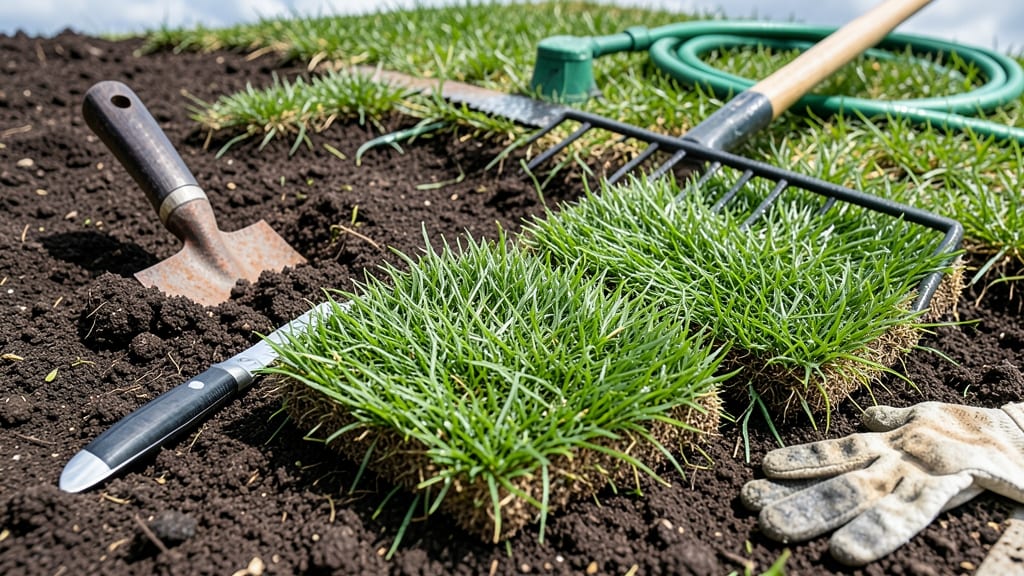
If you're dreaming of a lush, heat-resistant lawn in Texas, timing your Bermuda Grass planting is the game-changer you need. Planting too early or late can leave your grass struggling to establish roots, leaving you with patchy coverage and extra work.
The best time to plant Bermuda Grass in Texas isn't just about the calendar—it's about aligning with your region's unique climate patterns.
Most Texas homeowners know Bermuda Grass 🌱 thrives in the summer heat, but did you know the ideal window shifts depending on whether you're in North, Central, or South Texas?
Planting too soon after the last frost can stress young seedlings, while waiting too long risks weak establishment before the hottest months hit. Let me show you how to pinpoint the perfect moment for your specific heat zone.
We'll break down the science behind soil temperatures, rainfall timing, and how local microclimates create different planting opportunities. Whether you're in the cooler hill country or the sweltering Rio Grande Valley, these insights will help you plan for fast germination and a lawn that stays green all summer long.
Ready to transform your yard? By the end, you'll know exactly when to plant, how to prep your soil, and what to watch for as your Bermuda Grass takes off. Let's get started on that perfect Texas lawn you've been dreaming of.
Texas heat-zone planting windows: when to plant Bermuda grass for fast germination
Bermuda grass is a Texas staple because it handles 100°F+ heat like a champ—but planting it at the wrong time can leave your lawn struggling. The perfect window depends on your Texas heat zone, soil warmth, and rainfall patterns.
Let’s break it down so you get that dense, drought-resistant lawn by summer.
In North Texas (USDA Zones 7b-8a), aim for late April to mid-May when soil temps hit 65°F+ consistently.
For Central Texas (Zones 8a-8b), the window shifts to early April to early May, while South Texas (Zones 9a-10b) can plant as early as mid-March—but only if rains cooperate.
Here’s the golden rule: Wait until the last frost date has passed (typically Feb 15–Mar 15 in most regions) and soil temps stay above 65°F for 5+ days. Use a soil thermometer ($10 at garden centers) to check—50°F or cooler slows germination to a crawl.
Why the rush? Bermuda grass germinates fastest in warm soil—70–75°F is ideal. Planting too early risks fungal diseases from cool, damp soil, while waiting too long means weak roots before summer’s heat arrives.
Think of it like starting a race at the right time—you want your grass to sprint ahead of weeds.
| Texas Region | Best Planting Window | Soil Temp Threshold | Key Consideration |
|---|---|---|---|
| North Texas (Zones 7b-8a) | Late April–Mid-May | 65°F+ (5+ days) | Wait for consistent warmth; avoid late spring rains. |
| Central Texas (Zones 8a-8b) | Early April–Early May | 68°F+ (5+ days) | Monitor spring storms—delay if heavy rain is forecast. |
| South Texas (Zones 9a-10b) | Mid-March–Late April | 70°F+ (3+ days) | Early planting risks fungus—use fungicide if soil stays damp. |
| All Regions | Avoid June+ Planting | N/A | Summer heat stresses new roots; opt for sod instead. |
Rainfall is another make-or-break factor. Bermuda grass needs 1–1.5 inches of water weekly during establishment, but too much rain can wash away seeds or cause thatch buildup.
Check your local NOAA forecast—if 2+ inches of rain is predicted, delay planting by 1–2 weeks to avoid waterlogged soil.
Pro tip: Seed vs. sod changes the game. Sod can be laid anytime soil is workable (even June in South Texas), but seeds take 10–21 days to sprout—so plant them 4–6 weeks before peak heat.
For example, in Dallas, that’s mid-April; in Houston, it’s early April.
Don’t overlook shade. New Bermuda grass struggles in partial shade (less than 6 hours of sun), so test your yard with a sun/shade map.
Use a white board to track sunlight hours for a week—if areas get less than 4 hours, consider shade-tolerant varieties like ‘TifGrand’ or stick to full-sun spots.
Finally, soil prep sets the stage. Bermuda grass thrives in sandy loam with a pH of 6.0–7.5.
Test your soil (kits cost $15) and amend with gypsum if it’s clay-heavy or lime if pH is too low. Aerate 2–4 weeks before planting to loosen compacted soil—this helps roots penetrate deeper for drought resilience.
Timing your Bermuda grass planting right means faster germination, stronger roots, and a lawn that outcompetes weeds by summer. Miss the window, and you’ll spend the season playing
Texas heat-zone planting windows: when to plant Bermuda grass for fast germination
Bermuda grass loves the Texas heat, but planting it too early or late can leave your lawn struggling. The ideal window depends on your region's soil temperature and last frost date.
Most Texas gardeners target late spring to early summer (April–June) when daytime temps consistently stay above 75°F.
In North Texas (Zones 7b–8a), aim for mid-April to May—after the last frost (usually mid-March) and when soil warms to 65°F+. Central Texas (Zones 8a–8b) can start as early as late March, while South Texas (Zones 9a–10b) often waits until April–May to avoid summer drought stress.
| Texas Region | Best Planting Window | Soil Temp Threshold | Key Consideration |
|---|---|---|---|
| North Texas (Zones 7b–8a) | Mid-April to May | 65°F+ (consistently) | Avoid late frosts |
| Central Texas (Zones 8a–8b) | Late March–April | 68°F+ | Balanced rainfall |
| South Texas (Zones 9a–10b) | April–May | 70°F+ | Drought preparedness |
Check your local soil temperature with a soil thermometer or online tools like the Texas A&M AgriLife Extension maps. Seed germination stalls below 65°F, so don’t rush—wait for warmth to ensure fast, even growth.
For sod installation, the window is slightly wider (March–June), but seeds need warmer, stable temps to avoid fungal diseases or uneven sprouting. If planting in June or later, prioritize deep irrigation to help roots establish before summer heat peaks.
Pro tip: Test your soil’s pH (aim for 6.0–7.0) and amend with compost 2–4 weeks before planting. This boosts nutrient uptake, especially in clay-heavy Texas soils, ensuring your Bermuda grass takes off quickly.
Remember, Bermuda grass goes dormant in winter, so fall planting isn’t ideal—focus on spring/summer for the best results. With the right timing, you’ll have a dense, heat-resistant lawn by summer’s end.