
Trees
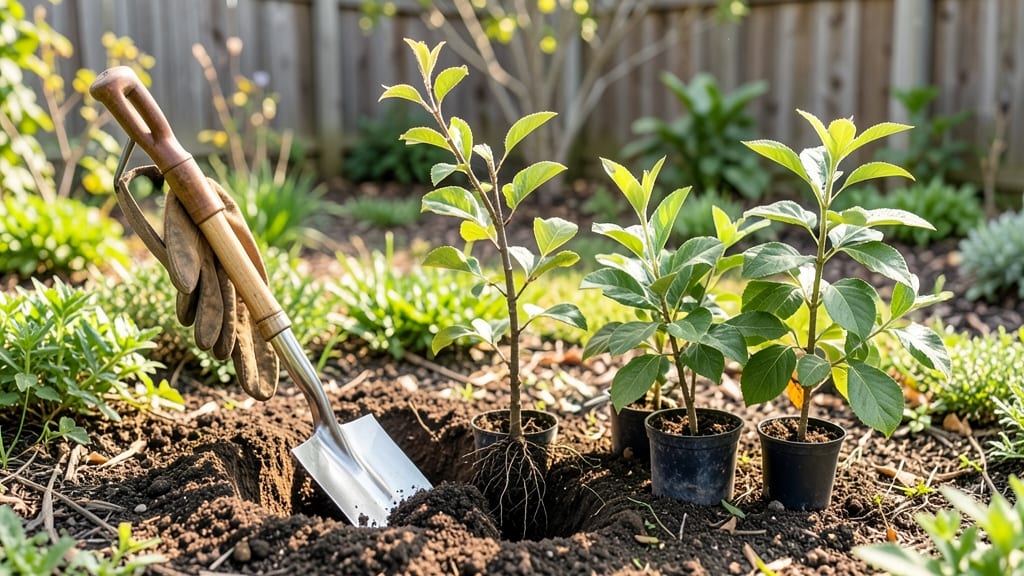
If you’ve ever wondered when is the best time to plant fruit trees in Texas with your 🍎🍑🍊, or why some neighbors’ trees thrive while yours struggle, timing is the key.
Planting fruit trees at the wrong moment can mean years of disappointment, but getting it right unlocks a bountiful harvest in just a few seasons.
Texas’s unique climate, with its 8a-10b zones and unpredictable frost dates, makes timing everything. Whether you’re in North Texas or the Rio Grande Valley, the best time to plant fruit trees isn’t just about seasons—it’s about matching varieties to chill-hour needs and avoiding heat stress.
Late winter to early spring (February-March) and fall (October-November) are your golden windows, but there’s more to it than just calendar dates.
In this guide, I’ll break down exactly when to plant each type of fruit tree—from peaches that need 500 chill hours to citrus that thrives year-round—plus soil prep secrets for Texas’s tricky soil.
You’ll also learn how to work around microclimates, container planting hacks, and the 3 biggest mistakes that kill fruit trees before they even take root.
Ready to turn your backyard into a fruit-filled paradise? Let’s dive into the science and strategies that’ll have your trees flourishing—and fruiting—faster than you thought possible.
Texas fruit tree planting calendar by chill-hour zones
Texas isn’t one-size-fits-all when it comes to fruit trees. The state spans three chill-hour zones, each dictating the best planting window for dormant vs. active growth. North Texas (Zones 8a-8b) needs 900+ chill hours, while South Texas (Zones 9a-10b) thrives with 0-400 chill hours.
Timing your plantings to these zones avoids frost damage and ensures fruit production.
For North and Central Texas, aim for late winter (February-March) when soil thaws but frost risk drops. South Texas gardeners should plant in fall (October-November) to establish roots before summer heat.
The key is aligning dormancy periods with your tree’s chill-hour needs—plant too early, and roots wake up too soon; too late, and they struggle to establish before summer.
Here’s how Texas’ chill-hour zones break down for planting:
In North Texas (900+ chill hours), prioritize dormant bare-root trees in February.
The soil is workable, but frost risk is low. Central Texas (700-900 hours) offers flexibility—plant in fall (October-November) for root establishment or early spring (March) for active growth. South Texas (400-700 hours) must plant in fall only to avoid summer heat stress.
Soil prep is non-negotiable. North Texas’ clay soils need gypsum to improve drainage, while South Texas’ sandy soils benefit from organic matter. Test your soil’s pH (6.0-7.0 is ideal) and amend accordingly.
For container planting, use well-draining mixes with perlite to prevent root rot in Texas’ extreme heat.
Pro tip: Mulch heavily (3-4 inches) with wood chips to retain moisture and regulate soil temperature. This is especially critical in South Texas, where summer temps can exceed 100°F. Water deeply once a week after planting to encourage root growth before dormancy sets in.
For container-grown trees, timing shifts slightly. Plant in fall (September-October) to establish roots before summer. Use 5-gallon pots minimum and move containers to partial shade during peak heat. Dwarf varieties like ‘Bonanza’ peaches or ‘Improved Meyer’ lemons adapt best to container life in Texas.
Remember: Citrus trees in North Texas? Never plant them outdoors—they’ll freeze. Instead, grow them in large containers and winterize with burlap wraps. For peach trees, choose low-chill varieties like ‘Redhaven’ (500+ hours) if you’re in South Texas.
Timing isn’t just about the calendar—it’s about microclimates. A north-facing slope in El Paso might support apples, while a south-facing yard in Houston is better for figs. Observe your yard’s frost pockets and heat islands to refine your planting strategy.
🌱
Best fruit tree varieties for Texas by planting season
Texas gardeners have a golden opportunity to grow fruit trees year-round, but seasonal timing and chill-hour needs make all the difference. Fall planting (October–November) gives roots time to establish before winter, while late winter/early spring (February–March) aligns with natural dormancy cycles.
The key? Choosing varieties that match your USDA zone and local chill hours.
For North Texas (Zones 7b–8a), where winters dip below freezing, peaches and plums thrive with 500–900 chill hours. In Central Texas (Zones 8a–8b), figs and pomegranates need minimal chill (200–400 hours), while South Texas (Zones 9a–10b) gardeners can grow citrus and tropical varieties year-round.
Let’s break down the top 5 varieties for each planting window.
| Variety | Chill Hours | Best Planting Time | Notes |
|---|---|---|---|
| Elberta Peach | 500–800 hrs | Late winter | Classic Texas peach; needs well-draining soil |
| Santa Rosa Plum | 400–700 hrs | Fall or late winter | Drought-tolerant; great for North Texas |
| Celeste Fig | 200–400 hrs | Fall or spring | Heat-loving; thrives in Central/South Texas |
| Meyer Lemon | 0–200 hrs | Spring or fall | Cold-hardy citrus; ideal for containers |
| Black Sapote | 0 hrs | Spring | Tropical; needs frost protection |
If you’re in North Texas, prioritize high-chill varieties like Elberta peaches or Santa Rosa plums for fall planting. These trees enter dormancy naturally, so planting in October–November lets roots establish before winter.
For Central Texas, figs and pomegranates are low-maintenance and adaptable—plant them in late winter to avoid summer heat stress.
In South Texas, where frost is rare, citrus and tropical varieties like Meyer lemons or Black Sapote shine. Plant these in spring (March–April) to give them time to root before summer’s intense heat. Container growing is a game-changer here—move potted trees indoors or to shaded areas during 100°F+ heatwaves.
Pro tip: Always check local chill-hour maps (Texas A&M AgriLife Extension is a great resource) to confirm your exact zone. Mismatched varieties can lead to poor pollination or no fruit—don’t let that happen to your $500+ investment!
Pair your tree with a compatible pollinator if needed (e.g., plant a peach and plum nearby for cross-pollination).
Finally, amend your soil with compost and a balanced fertilizer (6-6-6 NPK) before planting. Texas soil can be clay-heavy or sandy—test yours and adjust pH to 6.0–7.0 for optimal growth. With the right variety and timing, you’ll be harvesting homegrown fruit in 2–4 years—not decades! 🍑🌱