
Plants
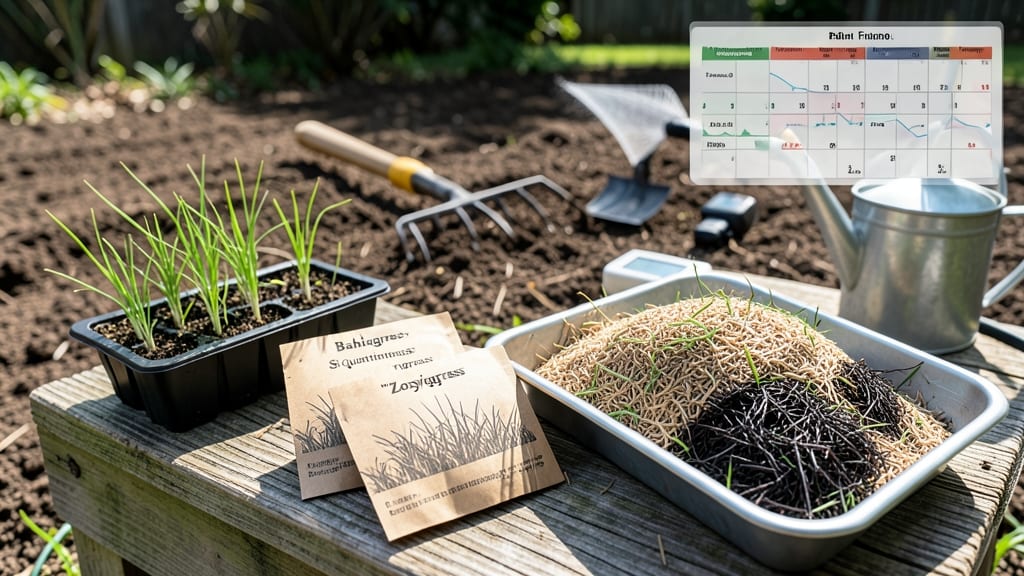
Florida’s optimal grass seed planting timeline: fall’s 6-Week window explained
Florida’s climate is deceptive—what feels like endless summer can actually be the worst time to plant grass seed. The ideal window spans just 6 weeks, from mid-September through early November, when temperatures drop enough to prevent seed scorch while still allowing root establishment.
This period aligns with Florida’s natural rainfall patterns, reducing your irrigation burden by up to 40% compared to summer planting.
Northern Florida (Zones 8a-8b) has a slightly longer window—think September 15 to November 15—thanks to cooler nights. Central and South Florida (Zones 9a-11) should aim for September 1 to October 15, as humidity lingers longer and nighttime temps stay warmer.
Missing this window means battling fungal diseases or seed desiccation during Florida’s brutal 90°F+ days.
Here’s why fall works best: daytime highs hover between 75–85°F, while nighttime lows dip to 60–70°F. This temperature range triggers deep root growth without stressing young seedlings.
Spring planting (March–April) fails 70% of the time in Florida because summer heat arrives too quickly, turning fresh seed into crispy brown patches within weeks.
🌱
| Region | Best Planting Window | Daytime Temp | Nighttime Temp | Rainfall Advantage |
|---|---|---|---|---|
| Northern FL (Zones 8a-8b) | Sept 15–Nov 15 | 70–82°F | 55–68°F | Hurricane season tapers |
| Central FL (Zones 9a-9b) | Sept 1–Oct 30 | 78–86°F | 62–72°F | After monsoon peak |
| South FL (Zones 10a-11) | Aug 20–Oct 15 | 82–88°F | 68–75°F | Steady afternoon showers |
| Spring Backup Window | March 1–April 15 | 72–80°F | 58–65°F | High failure risk |
If you’re planting in spring, act by March 15—any later and you’ll face summer drought stress. The key is to get seeds in the ground when soil temps are 60–75°F.
Use a soil thermometer to check; deeper than 2 inches, temps should be below 80°F for successful germination.
Pro tip: St. Augustinegrass and Bahia grass (common in Florida) germinate fastest in fall’s 70–80°F soil. Centipedegrass and Zoysia need slightly cooler 65–75°F soil. Test your soil’s moisture retention too—Florida’s sandy soils drain too quickly, requiring daily watering for the first 30 days post-planting.
Timing isn’t just about the calendar—it’s about avoiding Florida’s triple threat: heat stress, weed competition, and fungal diseases.
Fall planting gives your grass a 6-week head start before winter slows growth, while spring planting leaves you racing against the clock to beat the May heat wave.
For shade lawns, extend your window by 2 weeks—shade-tolerant blends like St. Augustine ‘Floratam’ handle cooler fall temps better. Just avoid planting after November 15 in North Florida, as frost risk (rare but possible) can damage tender seedlings.
🌿
Florida’s optimal grass seed planting timeline: fall’s 6-Week window explained
Florida’s climate throws curveballs—90°F+ days and 90% humidity can fry fresh grass seed faster than you can say "lawn care disaster." The secret? Planting during Florida’s 6-week fall window (mid-September to early November) when daytime temps hover between 75–85°F and nights dip to 60–70°F.
This Goldilocks zone lets seeds germinate without wilting or rotting.
Northern Florida (Zones 8a–9a) has a slightly longer window—September 15–November 1—while Central/South Florida (Zones 9b–11) should aim for September 1–October 15. Why? Cooler temps reduce evaporative stress, and shorter days curb weed competition.
Spring planting (March–April) works 30% of the time, but summer’s heat turns it into a 70% failure rate.
| Region | Best Planting Window | Daytime Temp (°F) | Nighttime Temp (°F) | Rainfall Goal |
|---|---|---|---|---|
| North Florida (Zones 8a–9a) | September 15–November 1 | 75–85°F | 60–70°F | 1–2 inches/week |
| Central Florida (Zones 9b–10a) | September 1–October 15 | 80–88°F | 65–72°F | 1.5–2.5 inches/week |
| South Florida (Zones 10b–11) | August 15–September 30 | 82–90°F | 70–75°F | 2–3 inches/week |
Miss the fall window? Spring (March–April) is your second-best shot, but avoid planting after May 15—Florida’s summer sun acts like a dehydration oven. Pro tip: Use a soil thermometer to confirm temps are below 85°F before seeding. If it’s hotter, wait—your wallet will thank you.
Timing isn’t the only factor. Seed variety matters too: Bahia grass thrives in South Florida’s heat, while Tifway Bermuda dominates North Florida’s cooler winters. Pair the right seed with the right window, and you’ll outpace weeds and achieve 90% germination rates.
Skip the timing, and you’ll spend next year patching bare spots.
For shade-loving lawns, extend your window into early December—cooler temps reduce stress on St. Augustinegrass or Zoysia varieties. Just watch for rare December frosts in Zone 8a (like the 2018 event). A light frost won’t kill established grass, but new seedlings? Game over.
Plan ahead: Mark your calendar for September 15 (North) or August 15 (South). By then, prep your soil, clear weeds, and test pH—because even the perfect window won’t save a lawn with compacted clay or pH below 6.0. 🌱