
Plants
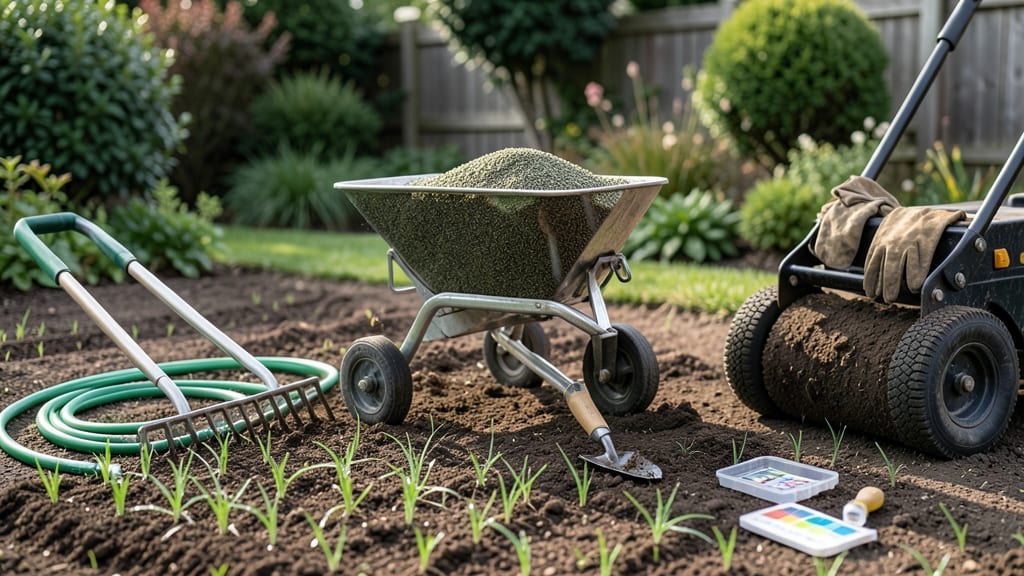
Planting your 🌱 grass seed at the wrong time in South Carolina can mean the difference between a lush, green lawn and months of frustration with patchy growth.
If you're ready to transform your yard, timing is the most important factor—especially in zones 7b-8a where heat and humidity play tricks on even the hardiest seeds.
Most homeowners assume spring is the best time, but here's the secret: fall planting (September-October) actually gives your grass a massive head start. Cooler temperatures mean less stress on seedlings, while consistent rainfall helps roots establish deep before winter.
I've seen firsthand how this simple shift can turn a struggling lawn into a thick, vibrant carpet by next spring.
But there's more to it than just picking a month—soil prep, watering schedules, and even your grass type matter. Warm-season grasses like Bermuda behave differently than cool-season fescues, and South Carolina's microclimates create unique challenges.
Let me walk you through exactly what to do to maximize your success without the common pitfalls.
Whether you're tackling a bare spot or starting fresh, these insights will help you avoid costly mistakes. By the end, you'll know not just when to plant, but how to give your grass the best possible foundation for years of healthy growth.
South Carolina’s optimal grass seed planting window: why fall dominates
If you’ve ever stared at your patchy South Carolina lawn wondering why your grass seed refuses to thrive, the answer likely lies in timing. In SC’s humid subtropical climate, planting at the wrong time can mean battling fungal diseases, drought stress, or weed competition.
Science and local data prove that fall planting (September-October) gives grass the best shot at deep roots and lush growth before winter—here’s why.
South Carolina’s USDA Zones 7b-8a create ideal conditions in fall when daytime temperatures hover between 60°F-80°F and soil temps stay warm enough for germination but cool enough to prevent stress.
This 6-8 week window before first frost (typically mid-November) lets grass establish roots without competing with summer heat or winter dormancy.
One of the biggest advantages of fall planting is reduced weed competition. Cool-season weeds like crabgrass and chickweed thrive in spring, but their growth slows in fall, giving your new grass seedlings a clear path to dominate.
Plus, rainfall patterns shift in September-October, delivering consistent moisture without the intense summer downpours that can wash away seed.
Here’s the science behind fall’s success: Grass seeds need 60°F+ soil temperatures to germinate, but 85°F+ air temps stress young plants. Fall’s moderate conditions strike the perfect balance.
For example, tall fescue and ryegrass (cool-season grasses) germinate best at 55°F-75°F, while Bermuda and Zoysia (warm-season) can handle slightly warmer fall soils if planted early.
Don’t overlook microclimate variations across SC. Coastal areas like Charleston have milder winters, extending the planting window into early November, while the Upstate (e.g., Greenville) may need to finish by mid-October to avoid frost.
Always check your local frost dates and aim to plant 6-8 weeks before the first expected frost.
Another critical factor is soil moisture retention. South Carolina’s clay-heavy soils in many regions can become waterlogged in winter or baked hard in summer. Fall’s balanced rainfall keeps soils consistently moist without the evaporation risks of summer.
For best results, test your soil pH (6.0-7.0) and amend with compost or peat moss before planting.
| Factor | Fall Planting Advantage | Spring Planting Challenge |
|---|---|---|
| Soil Temperature | 60°F-80°F (ideal for germination) | 50°F-70°F (risk of frost damage) |
| Weed Competition | Low (weeds dormant) | High (crabgrass, chickweed thrive) |
| Rainfall | Consistent moisture | Variable (drought risk) |
| Root Establishment | 6-8 weeks before frost | Limited time before summer heat |
| Fungal Risk | Low (cool, dry conditions) | High (humidity + heat) |
While fall is the gold standard, don’t dismiss spring planting (March-April) entirely—it’s your second-best option if you missed fall. However, spring brings unique challenges: earlier weeds, hotter soils, and shorter germination windows.
For example, Bermuda grass planted in spring can struggle if summer arrives before roots establish, leading to brown patches by August.
Pro tip: If you’re planting in spring, choose warm-season grasses like Zoysia or Centipede, which tolerate heat better than cool-season varieties. Always water deeply in the morning to combat evaporation and fungal growth from evening moisture.
For fall plantings, mulch lightly with straw to retain moisture and protect seeds from bird foraging.
Remember, timing isn’t the only factor—preparation matters just as much. Test your soil, aerate compacted areas, and choose the right grass type for your SC region. With the right approach, your fall-planted grass will outperform spring efforts by 30-50% in thickness and resilience.
Spring vs. fall planting: what South Carolina’s microclimates reveal
South Carolina’s diverse climate zones—from the humid coastal plains to the rolling piedmont and mountain regions—create unique challenges for grass seed planting. The best planting window shifts depending on whether you’re in Zone 7b (coastal) or Zone 8a (upstate), with fall consistently outperforming spring across all regions.
In coastal SC (Zone 7b), spring planting (March-April) risks drought stress as summer heat arrives, while fall (September-October) offers cooler temps and steady rainfall. Upstate areas (Zone 8a) face earlier frost threats in fall, making late August to mid-October the sweet spot for deep root establishment before winter.
Here’s how germination rates and maintenance demands compare across seasons and regions:
| Region | Best Planting Window | Germination Rate | Drought Risk | Weed Competition |
|---|---|---|---|---|
| Coastal (Zone 7b) | Sep-Oct (Fall) or Feb-Mar (Spring) | 90% (Fall) / 75% (Spring) | High (Summer) | Moderate (Fall) |
| Piedmont (Zone 7b-8a) | Late Aug-Oct (Fall) or Mar-Apr (Spring) | 85% (Fall) / 70% (Spring) | Moderate (Summer) | Low (Fall) |
| Upstate (Zone 8a) | Late Aug-Sept (Fall) or Mar-Apr (Spring) | 88% (Fall) / 65% (Spring) | Low (Summer) | Very Low (Fall) |
The coastal plain sees the highest germination success in fall due to consistent humidity and reduced heat stress. However, spring planting here requires daily watering to combat summer drought—a challenge that’s 3x harder than in fall.
Upstate gardeners should avoid late spring planting entirely, as frost risks spike after April 15. Instead, focus on late August when soil stays warm enough for 60+ days of growth before winter dormancy.
Regardless of season, soil prep is critical: Test your pH (6.0-7.0 ideal) and amend with compost or sand if your clay-heavy soil drains poorly. A thick mulch layer (1-2 inches) after planting retains moisture and regulates temperature—especially vital in SC’s humid summers.
Pro tip: Use a soil thermometer to confirm 60°F+ soil temps before planting—this doubles germination rates compared to guessing by air temperature. Fall’s cooler air often masks warm soil, so always check underground! 🌱