
Companion Plants
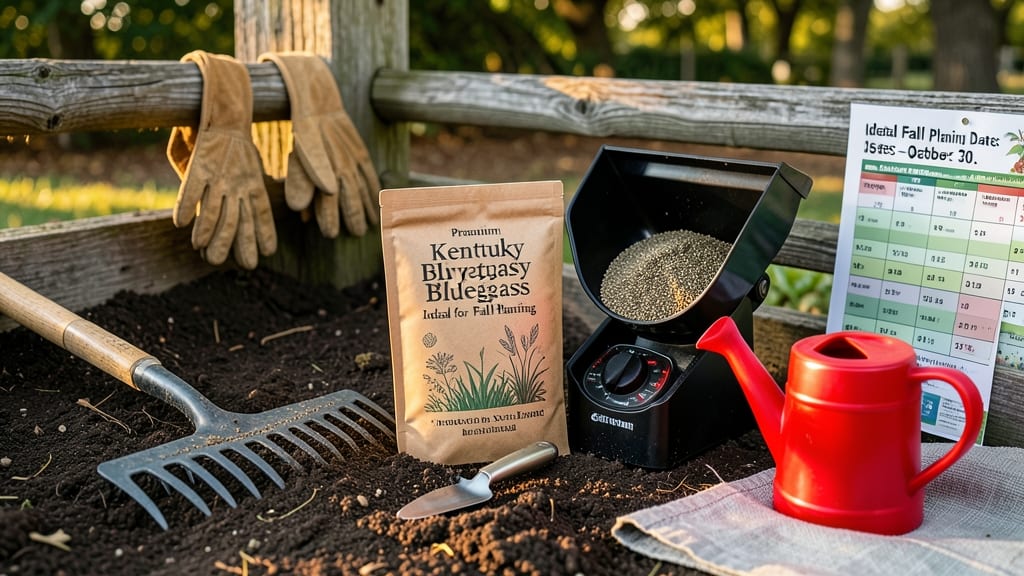
Planting grass seed in the fall is your golden ticket to a thicker, greener lawn—but only if you get the timing right. Too early, and weeds steal the show; too late, and frost nips your new grass in the bud.
The secret lies in that sweet spot 4-6 weeks before your first frost, when cool temperatures help roots establish deep before winter hits.
If you're in USDA Zone 6a (like much of the Midwest), aim for late August to early September—just as summer heat starts fading. But don’t stress if you missed that window; even overseeding in October can still work if you act fast.
The key is warm soil (around 60-75°F) and consistent moisture to give your grass a fighting chance against weeds and drought.
Why bother with fall planting? Because cooler temps mean less stress on your grass, and fewer weeds compete for nutrients. Plus, established roots over winter mean a head start next spring.
Whether you're seeding a new lawn or patching bare spots, this guide breaks down exactly when, where, and how to plant for success—no guesswork required.
Ready to transform your yard? Let’s dive into the best fall planting windows, soil prep tips, and the top grass varieties that thrive when temperatures drop. Your lush lawn starts here.
Best fall planting windows by US climate Zone: when to seed before frost
Timing is everything when planting grass seed in the fall. Cool-season grasses like Kentucky Bluegrass and Fescue thrive when seeded 4-6 weeks before first frost, giving roots time to establish before winter dormancy.
But the exact window varies dramatically by USDA climate zone—plant too early, and weeds will outcompete your seedlings; too late, and frost will kill new growth before roots take hold.
In the Northern US (Zones 3-5), aim for mid-August to early September. Cooler temps and shorter days create ideal conditions for germination without overwhelming heat stress. Meanwhile, Southern regions (Zones 6-10) can extend seeding until late October or November, as milder winters delay frost.
Always check your local average first frost date—this is your planting deadline.
Soil temperature is the #1 indicator of readiness. Grass seed germinates best when soil stays between 60°F and 75°F (15°C–24°C). Use a soil thermometer to test—if temps drop below 50°F (10°C), germination slows dramatically.
In Zone 4, this might mean seeding by September 1st, while Zone 7 gardeners could wait until mid-October.
🌱 Fall Grass Seed Planting by USDA Zone
| Zone | Ideal Planting Window | Soil Temp Range | Key Consideration |
|---|---|---|---|
| 3-5 (Northern) | Mid-August to early Sept | 60°F–75°F | Early frost risk; prioritize root growth |
| 6-7 (Mid-Atlantic) | Late Aug to mid-Oct | 65°F–70°F | Balanced heat/cool; watch for weeds |
| 8-10 (Southern) | Sept to late Oct | 70°F–75°F | Milder winters; extend seeding later |
💡 Pro Tip: Use a seed germination chart for your specific grass type—some varieties (like Tall Fescue) germinate faster than others.
Weather patterns play a critical role in fall seeding success. Aim for a 7-10 day stretch of consistent rainfall or irrigation after planting to keep seeds moist. If your forecast shows dry conditions, water daily for 2 weeks to prevent seed desiccation.
Conversely, avoid planting before heavy rain events—seeds can wash away or rot in saturated soil.
For new lawns, start seeding 6-8 weeks before frost to allow 4-6 weeks of growth before winter. If overseeding an existing lawn, you can push the window slightly later (3-4 weeks before frost) since established grass provides some protection.
Always mow short (1–1.5 inches) before seeding to improve seed-to-soil contact.
One common mistake is waiting until late fall when soil temps drop below 50°F (10°C). At this point, seeds may fail to germinate or produce weak, shallow roots that won’t survive winter.
Use a planting calendar (like the Old Farmer’s Almanac) to track your local frost dates and adjust accordingly.
Northern gardeners should also account for earlier sunsets. Shorter daylight hours can slow germination, so choose fast-germinating varieties like Annual Ryegrass (which sprouts in 5-7 days) if seeding late in the window.
Southern regions can afford to plant Tall Fescue, which germinates slower but handles heat spikes better.
Finally, don’t rush to fertilize after planting. New grass seedlings are sensitive to high nitrogen in the first 4-6 weeks. Instead, use a starter fertilizer (low nitrogen, high phosphorus) at planting time to encourage root development. Wait until spring for a full nitrogen feed to promote top growth.
By aligning your planting schedule with your climate zone, soil temperature, and weather forecast, you’ll give your grass seed the best shot at establishing deep roots before winter—setting the stage for a thicker, greener lawn next spring. 🌱
Best fall planting windows by US climate Zone: when to seed before frost
Timing your grass seed planting in the fall is all about beating the first frost while giving seeds time to establish strong roots. In most USDA Zones 3-7, aim to plant 4-6 weeks before your area’s average first frost date.
This window ensures cool soil temperatures (ideal between 60°F–75°F) and fewer weeds, setting your lawn up for spring success.
Southern regions (Zones 8+) have more flexibility, with planting possible until mid-November in milder climates. Meanwhile, northern zones (Zones 3-5) must seed by late August to early September to avoid early freezes. Check your local USDA Plant Hardiness Zone for precise timing—it’s the key to avoiding winter-killed seedlings.
| USDA Zone | Planting Window | Soil Temp Goal | Key Consideration |
|---|---|---|---|
| Zones 3-5 (Cold) | Late August–Early Sept | 60°F–70°F | Short growing season |
| Zones 6-7 (Temperate) | Mid-Sept–Early Oct | 65°F–75°F | Balanced frost risk |
| Zones 8+ (Warm) | Sept–Mid-Nov | 70°F–80°F | Longer growing season |
Weather plays a bigger role than dates. Avoid planting if rainfall is scarce or if temperatures spike above 85°F—both can stress young seedlings. Instead, wait for cooler days with steady moisture, which helps seeds germinate without drying out.
A light layer of straw mulch can also protect seeds from drying winds.
For northern climates, prioritize tall fescue or perennial ryegrass, which establish roots faster in cooler temps. Southern zones can handle Kentucky bluegrass later into fall, thanks to milder winters.
Always test your soil’s pH (6.0–7.0 ideal) and amend with compost or lime if needed—this step alone can double your seedling success rate.
Pro tip: Use a planting calendar or local extension service to track frost dates. Many regions release weekly updates on ideal seeding times—bookmark these for next year! The goal is to give grass 4–6 weeks of growth before dormancy sets in, ensuring a thick, resilient lawn by spring.
Don’t overlook overseeding existing lawns in fall—this is when weeds are weakest, and your grass can fill in bare spots effortlessly. Just rake out dead patches first and keep the soil moist for 30 days post-planting to encourage germination.