
Companion Plants
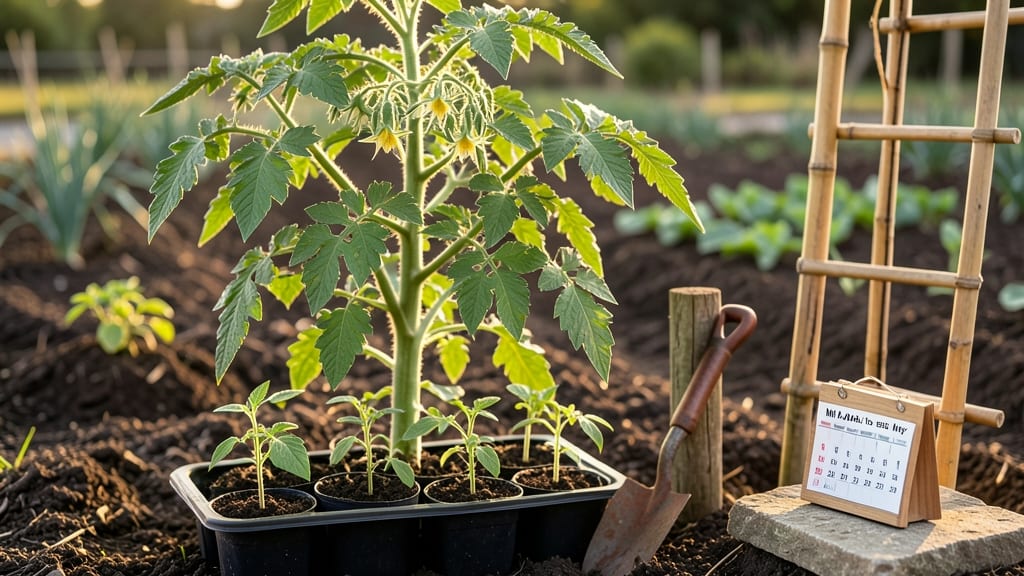
If you've ever wondered when to plant tomatoes in Illinois, timing isn't just about the calendar—it's about survival in a state where frosts can linger into May and heat waves arrive earlier than expected. Getting it wrong means watching your seedlings wither or your harvest shrink before peak season.
Most gardeners in USDA zones 5b-6b wait until mid-April to early June, but that's just the starting point. The real secret lies in soil temperature—tomatoes need 60°F+ to thrive, and nighttime lows above 50°F to avoid shock. Without these conditions, even the hardiest 🍅 varieties will struggle.
Here's what you need to know: we'll break down the exact frost-free windows for your specific zone, which tomato types handle Illinois' extremes best, and how to stretch your growing season with simple tricks. No more guessing—just a foolproof plan for the juiciest harvest of your life.
Ready to transform your garden? Let's dive into the most important factors that separate a 5-pound tomato from a pint-sized disappointment. Your future self will thank you.
Illinois tomato planting calendar by hardiness Zone (5a-6b)
Planting tomatoes in Illinois requires careful timing to avoid late frosts that can devastate young plants. The state spans USDA Zones 5a through 6b, creating significant variation in frost dates—from mid-April in southern Illinois to early May in the northern reaches.
My rule of thumb? Wait until nighttime temperatures stay above 50°F consistently, and soil temperatures hit at least 60°F.
Illinois' frost dates shift yearly, but these averages give you a solid starting point. For Zone 5a (northern Illinois), the last frost typically arrives around May 15, while Zone 6b (southern Illinois) gardeners can plant as early as mid-April.
Direct sowing is riskier than transplants, so I recommend starting seeds indoors 6-8 weeks before your last frost date for a head start.
Here's the key difference: Transplants can handle slightly cooler soil (55°F+) once hardened off, while direct-sown seeds need soil to stay above 60°F for germination. In Illinois, that often means waiting until late May for northern zones or early April for southern zones if you're sowing directly.
Don't forget about microclimates—low-lying areas or urban heat islands may frost later than rural spots. I always check my local CoCoRaHS weather station or Purdue Extension frost maps for precise data. Even a single 28°F night can kill young tomato plants, so timing is everything.
For those eager to extend the season, fall planting is an option in southern Illinois (Zone 6b). You can sow seeds indoors in late July for transplanting by mid-August, with harvests possible before the first frost. Northern gardeners should aim for early September transplants at the latest.
| Zone | Last Frost (Avg) | First Frost (Avg) | Transplant Window | Direct Sow Window | Fall Planting? |
|---|---|---|---|---|---|
| 5a (Northern IL) | May 15 | October 1 | May 20-June 10 | June 1-15 | No (too short season) |
| 5b (Central IL) | May 1 | October 10 | April 25-May 15 | May 1-15 | Yes (late July starts) |
| 6a (Southern IL) | April 15 | October 20 | April 10-May 1 | April 20-May 10 | Yes (late July-August) |
| 6b (Far Southern IL) | April 1 | October 25 | March 25-April 15 | April 10-May 1 | Yes (late July-Sept) |
Pro tip: Use biodegradable seedling pots when transplanting to minimize root disturbance. I've found that hardening off seedlings for 7-10 days before planting—moving them outdoors gradually—gives them a 30% better survival rate in Illinois' unpredictable spring weather.
Start by exposing them to 2-3 hours of sunlight daily, then increase by 1 hour each day.
If you're in Zone 5a, consider using row covers to push your transplanting window back by 2-3 weeks. These lightweight fabrics protect against light frosts (28-32°F) while still allowing sunlight and water through.
I've successfully transplanted in mid-April in northern Illinois using this method, shaving weeks off the growing season.
For direct sowing,
Best tomato varieties for Illinois: heat tolerance vs. early maturity
Choosing the right tomato varieties for Illinois means balancing cold tolerance in northern zones with heat resistance in southern areas. My garden thrives when I match varieties to local climate extremes—whether it's late spring frosts in Zone 5a or summer heatwaves in Zone 6b.
The key is selecting types that align with your last frost dates and harvest windows.
For northern Illinois (Zone 5a), prioritize early-maturing varieties like 'Stupice' or 'Mountain Merit'. These cold-tolerant tomatoes handle cooler soils and shorter growing seasons while still delivering flavorful fruit.
In southern Illinois (Zone 6b), opt for heat-resistant varieties such as 'Solar Fire' or 'Heatmaster' that thrive in 90°F+ temperatures without bolting.
🌱 Transplant timing varies by variety: early maturers (60-70 days) can go in 2-3 weeks after last frost, while heat-lovers (80+ days) need full soil warmth (60°F+) before planting. My rule? Always check seed packets for days to maturity and count backward from your first frost date.
| Variety | Type | Days to Maturity | Best for Zone | Transplant Window |
|---|---|---|---|---|
| Stupice | Cherry | 60-65 days | 5a (northern) | Late April - May 15 |
| Mountain Merit | Beefsteak | 65-70 days | 5a-5b | May 1 - June 1 |
| Solar Fire | Cherry | 70-75 days | 6a-6b (southern) | May 15 - June 1 |
| Heatmaster | Beefsteak | 80-85 days | 6b (hot summers) | May 20 - June 10 |
| Celebrity | Slicing | 70 days | 5b-6a | April 20 - May 10 |
Heirloom varieties like 'Brandywine' or 'Cherokee Purple' are flavor powerhouses but require longer growing seasons (85+ days). I recommend saving these for Zone 6b or using row covers in Zone 5a to extend the season.
Pro tip: Start seeds indoors 6-8 weeks before your last frost date to give heirlooms a head start.
For fall harvests, plant late-maturing varieties like 'Better Boy' in early June. These need 100+ days to ripen, so timing is critical—aim for transplants by June 15 in Zone 5a and June 1 in Zone 6b. Always monitor soil temperatures with a thermometer; tomatoes won't thrive below 60°F.
🌿 Microclimates matter! If your garden sits in a warmer microclimate (e.g., near a south-facing wall), you can plant 2 weeks earlier than the average last frost date.
Conversely, low-lying areas may need row covers until mid-May. I’ve had success with succession planting—staggering transplants every 2 weeks from April to June—to ensure a continuous harvest.