
Planting
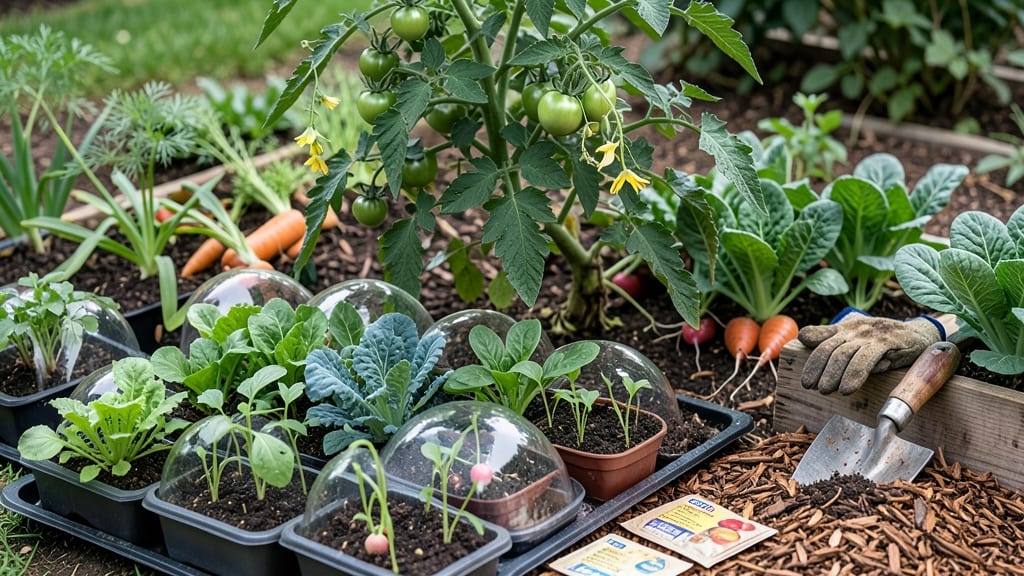
Timing your garden planting in South Carolina can feel like a guessing game—get it wrong, and you might watch your seeds wither before they even sprout.
But here’s the good news: with USDA Zones 7b-8a and 220 frost-free days, you’ve got one of the longest growing seasons in the country. The key? Knowing exactly when to plant for maximum yields, whether you’re in Charleston’s coastal warmth or the Piedmont’s slightly cooler microclimates.
Most gardeners in South Carolina start their spring planting window between mid-March and early April, once soil temperatures hit 60°F and the last frost date (around March 15) has passed.
But don’t stop there—fall planting (late August to mid-September) offers a second chance to grow cool-season crops like broccoli and kale, extending your harvest well into November. The trick is balancing heat-tolerant varieties with the right timing to avoid summer’s brutal humidity.
In this guide, I’ll break down the frost-free timeline for Zones 8A-8B, so you can plant with confidence. We’ll cover warm-season vs. cool-season crops, regional tweaks (like coastal vs. Upstate differences), and even how to stretch your growing season with row covers or cold frames.
No more wasted seeds or missed harvests—just a garden that thrives all year long.
Ready to turn your South Carolina plot into a year-round success? Let’s dive into the month-by-month schedule that’ll keep your garden productive from spring through fall.
South Carolina frost dates by zone 8A-8B: your planting calendar
South Carolina’s Zone 8A-8B climate gives gardeners an extended growing season—but knowing your last frost dates is critical. In Zone 8A (Upstate/western SC), expect your average last frost between March 15–April 15, while Zone 8B (coastal/central SC) typically sees frost-free conditions by March 1–April 1.
These dates shift 2–4 weeks earlier in microclimates like Charleston or Hilton Head.
For cool-season crops like broccoli and peas, start seeds indoors 6–8 weeks before your last frost or sow directly 2–4 weeks before. Warm-season plants (tomatoes, peppers) only thrive after soil warms to 60°F+, usually mid-April to May in most regions.
Coastal areas can plant 2–3 weeks earlier than inland zones.
🌱 Key Tip: Use heatwave adjustments—if a late frost hits in April, delay planting heat-lovers like cucumbers until May 15 to avoid transplant shock.
🌡️ SC Frost & Planting Timeline
| Zone | Last Frost | First Frost | Cool-Season Plant | Warm-Season Plant |
|---|---|---|---|---|
| 8A (Upstate) | Mar 15–Apr 15 | Nov 1–Nov 15 | Peas, Lettuce (Feb–Mar) | Tomatoes (May 1–Jun 1) |
| 8B (Coastal) | Mar 1–Apr 1 | Nov 15–Dec 1 | Spinach (Jan–Feb) | Peppers (Apr 15–May 1) |
| Microclimates | Feb 15–Mar 1 | Dec 1–Jan 1 | Kale (year-round) | Okra (Mar–Apr) |
🌿 Pro Tip: Verify your local frost dates using SC State Climate Office data or plant frost-sensitive crops like eggplants only after May 1 in Zone 8A to avoid frost damage.
Fall planting follows the reverse timeline: Start warm-season crops (like sweet potatoes) in late July for harvest before first frost. Cool-season crops (carrots, radishes) can be sown until October 15 in Zone 8A or November 1 in Zone 8B.
🌡️ Watch For: Heatwaves in late spring can fool gardeners into planting too early. Use a soil thermometer—warm-season crops need 60°F+ soil for 7+ days before transplanting.
For coastal gardeners, humidity and salt spray can delay frost until December, while Upstate areas may see frost as early as October 15. Adjust your schedule based on elevation and wind exposure—valleys frost faster than hilltops.
📅 Action Step: Mark your calendar for March 15 (Zone 8A) or March 1 (Zone 8B) as your last frost cutoff. Use row covers to extend cool-season planting by 2–3 weeks if a late frost threatens.
🌱 Remember: Succession planting every 2–3 weeks after your last frost ensures a continuous harvest of leafy greens and root vegetables all season long.
Best vegetables to plant in SC by season: month-by-month guide
South Carolina’s extended growing season lets you grow fresh produce year-round—but knowing when to plant each crop is key. I’ve broken down the best vegetables for every month, from cool-loving broccoli in winter to heat-tolerant okra in summer, with soil temperature triggers to avoid failure.
For February, focus on cool-season crops like peas, spinach, and onions. These thrive in 50–60°F soil and can handle light frosts. I start seeds indoors in late January to get a jump on the season, then transplant after the February 15 average last frost date in Zone 8A.
Summer’s heatwave risks demand heat-tolerant picks like okra and sweet potatoes, which I plant in May–June when soil temps hit 70°F+. Mulch heavily to retain moisture—my black plastic mulch raises soil temps by 10°F, speeding germination for peppers and eggplants.
For fall, I prioritize broccoli and kale in August, using row covers to protect from early frosts. These crops handle 55–65°F soil and mature before the first frost (November 15 in Zone 8A). I also direct-sow radishes every 2 weeks for continuous harvests.
Pro tip: Use succession planting for fast growers like bush beans or lettuce. I stagger plantings every 2–3 weeks in spring and fall to ensure a steady supply—no more sad, bolted greens!
Remember, soil temperature matters more than air temp. Use a soil thermometer to confirm readiness—my tomatoes wilted last year because I planted too early when soil was still 55°F instead of the required 60°F.