Planting
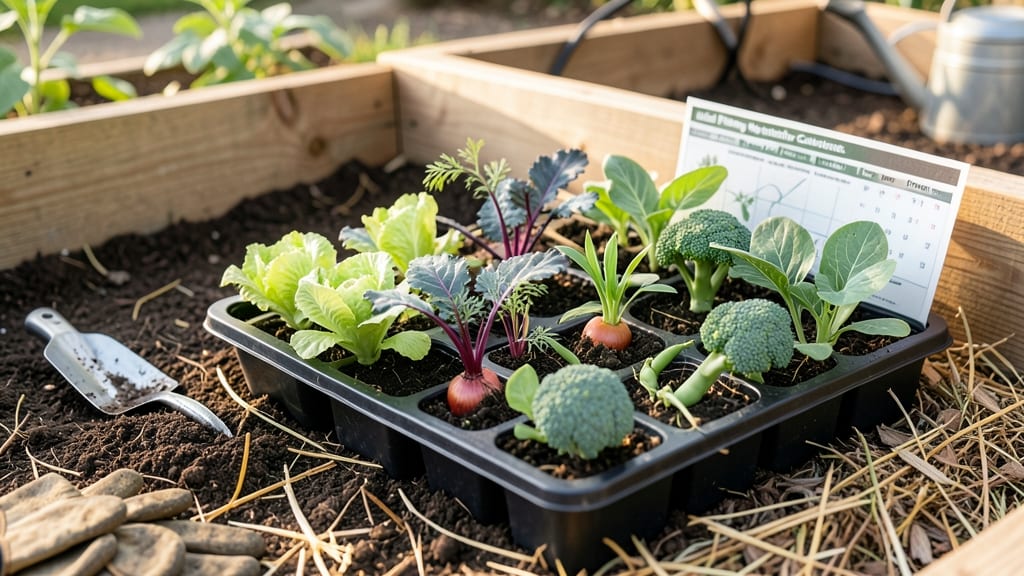
Knowing when to plant a vegetable garden in California isn’t just about seasons—it’s about mastering the state’s wild microclimates, where coastal fog can delay planting while inland valleys bake early. Get it wrong, and your 🥬 could bolt, wilt, or never even sprout.
But here’s the good news: with the right timing, you can harvest year-round, even in the same patch of soil.
California’s 5a-11 zones (from foggy San Francisco to the Central Valley’s heat) mean your neighbor’s perfect planting window might leave your crops struggling.
Whether you’re in Zone 9’s coastal chill or Zone 10’s desert sun, the key is aligning your schedule with frost dates, soil temps, and crop needs—cool-season greens in fall, heat-lovers like tomatoes after last frost in spring.
I’ve spent years testing what works (and what fails) across California’s regions, and what I’m about to share will help you avoid common timing traps—like planting lettuce too early in the desert or tomatoes too late in the mountains.
Let’s break down the exact months for your microclimate, so you can finally stop guessing and start growing.
From succession planting** in the Bay Area to extending harvests in the Central Valley, you’ll learn how to turn California’s climate quirks into your garden’s superpower. Ready to dig in?
California planting zones: coastal vs inland start dates by month
California’s microclimates create a gardening puzzle where coastal areas like San Francisco enjoy mild winters, while inland valleys like the Central Valley face hot summers and frost risks. Understanding these differences is key to planting your vegetable garden at the perfect time for maximum yields.
Let’s break down the month-by-month planting windows tailored to your region.
For coastal California (USDA zones 9-10), the growing season stretches nearly year-round, with cool-season crops thriving from fall to spring and warm-season crops planted from spring to summer.
In contrast, inland areas (zones 8-10) have shorter frost-free periods and hotter summers, requiring precise timing to avoid bolting or heat stress.
Below is a comparison table outlining the ideal planting months for coastal vs inland California, including soil temperature requirements and crop-specific windows.
| Month | Coastal (e.g., San Francisco, LA) | Inland (e.g., Central Valley, Desert) |
|---|---|---|
| January | Cool-season crops: Lettuce, Spinach, Peas (soil temp: 45-65°F) | Cool-season crops: Broccoli, Cabbage (soil temp: 50-70°F) |
| February | Carrots, Radishes, Kale (soil temp: 50-70°F) | Onions, Garlic, Beets (soil temp: 55-75°F) |
| March | Start warm-season crops indoors (e.g., Tomatoes, Peppers) | Direct sow: Green Beans, Corn (soil temp: 60-80°F) |
| April | Transplant warm-season crops (soil temp: 65-80°F) | Plant Basil, Cucumbers, Squash (soil temp: 70-85°F) |
| May | Peppers, Eggplants (soil temp: 70-85°F) | Succession plant: Lettuce, Spinach (shade-tolerant) |
| June-August | Harvest warm-season crops; plant fall greens | Focus on heat-tolerant crops: Okra, Sweet Potatoes |
| September | Plant fall broccoli, cauliflower (soil temp: 60-70°F) | Direct sow: Radishes, Turnips (soil temp: 55-70°F) |
| October-November | Winter squash, Leeks (soil temp: 50-65°F) | Plant garlic, onions for spring harvest |
| December | Peas, Spinach (soil temp: 45-60°F) | Cover crops: Clover, Vetch (soil temp: 40-60°F) |
Notice how coastal gardens can plant leafy greens year-round, while inland gardeners must time warm-season crops carefully to avoid summer heat. For example, tomatoes in San Diego can go in March, but in Fresno, wait until May to prevent bolting.
Soil temperature is another critical factor. Cool-season crops like broccoli need soil temps below 65°F, while warm-season crops like peppers thrive at 70-85°F. Use a soil thermometer to check before planting—especially in transitional months like March or October.
Pro tip: Coastal gardeners can extend harvests by planting succession crops every 2-3 weeks, while inland gardeners should prioritize heat-tolerant varieties like Malabar spinach or Black Seeded Simpson lettuce for summer.
For desert regions (e.g., Palm Springs), focus on spring and fall planting to avoid 100°F+ soils in summer. Mountain areas (e.g., Lake Tahoe) have shorter seasons—start cool-season crops in late May and warm-season crops in July.
Always check your local frost dates—coastal areas rarely see frost, but inland valleys can drop below 32°F in December-February. Protect tender plants with row covers or move potted plants indoors during cold snaps.
🌱
How to adjust planting times for California’s microclimates
California’s microclimates create unique challenges—what works in San Francisco’s foggy coast fails in Bakersfield’s desert heat. Transitional zones like the Bay Area foothills or Santa Barbara’s coastal plains demand extra attention to avoid frost damage or heat stress.
The key? Adjusting planting times with row covers, succession planting, and heat-tolerant varieties.
Start by identifying your local frost dates. Coastal areas rarely see frost, while inland valleys like the Central Valley can drop below 32°F in winter. Use USDA Zone 9-10 as a baseline, but remember: elevation changes everything.
A 1,000-foot climb can shift your zone by 3 degrees, turning a mild coastal winter into a chilly mountain one.
For transitional zones, extend your growing season with floating row covers. These lightweight fabrics trap 6-8°F of heat, protecting cool-season crops like broccoli or spinach from late frosts. In desert regions, opt for shade cloth to prevent bolting in heat-sensitive greens like lettuce.
Don’t overlook elevation adjustments. Gardens in Sacramento’s lowlands can plant tomatoes in March, while Lake Tahoe foothills must wait until May to avoid frost. Check your local agricultural extension for hyper-local advice—many offer free frost date maps tailored to your ZIP code.
For coastal gardens, leverage winter rains by planting winter squash or kale in October.
Inland gardeners should focus on drought-resistant crops like zucchini or black-eyed peas and mulch heavily to retain moisture. Succession planting is your best friend: sow carrots every 3 weeks from February to July for a steady supply.
Pro tip: Keep a gardening journal to track what thrives in your microclimate. Note first frost dates, heat waves, and crop performance. Over time, you’ll refine your planting schedule to match your unique growing conditions—because in California, one size never fits all. 🌱