
Planting
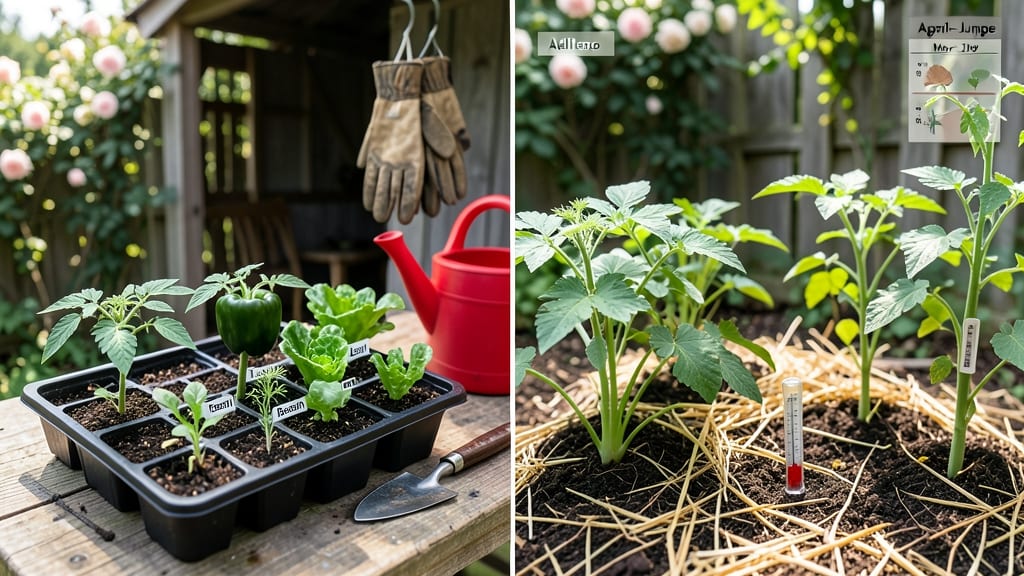
Timing when to plant a vegetable garden in Ontario isn’t just about checking a calendar—it’s about outsmarting frost, heat waves, and those pesky late-spring surprises that can turn your hard work into a sad, wilted mess.
With USDA Zones 5a-6b and frost dates that shift from Toronto’s May 10 to Ottawa’s May 20, planting too early or too late means the difference between a harvest feast and a grocery store detour.
You’ve probably heard “plant as soon as the soil thaws,” but that’s not always the best move—especially when soil temperatures still hover near freezing.
The real secret lies in understanding your microclimate: Urban Toronto’s concrete holds heat differently than rural fields near London, and a cold frame can shave weeks off your planting window if used right.
What if I told you some crops thrive when planted after the last frost? Or that succession planting in July can give you a second harvest before frost hits?
This isn’t just theory—it’s how Ontario gardeners stretch their growing season from mid-April to early September without losing their minds (or their crops) to Mother Nature’s mood swings.
Let’s break it down: exact start dates for your favorite veggies, how to hack your planting schedule with row covers, and which crops to swap if your summer turns unexpectedly chilly. No more guessing—just proven strategies to turn your Ontario garden into a year-round (well, almost) machine.
Ontario’s planting zones & last frost dates by region (2024 guide)
Ontario’s diverse microclimates mean your neighbor’s perfect planting time might be a frosty disaster for you. The province spans USDA Zones 4 to 8, with last frost dates varying by hundreds of miles.
For example, Windsor (Zone 6b) typically sees its last frost by May 5, while Thunder Bay (Zone 3b) can still see frost until June 10. Understanding these differences is key to avoiding wasted seeds and frozen seedlings.
To simplify, I’ve broken down Ontario’s regions into four key zones, each with its own average last frost date and planting windows. These dates are based on 30-year climate averages, but always check your local Environment Canada frost forecast for real-time updates.
For instance, a late spring in 2023 pushed Toronto’s last frost to May 25—nearly three weeks later than usual!
Here’s how to use this guide: Match your city to the closest zone, then adjust your planting schedule based on whether you’re growing cool-season crops (like lettuce or peas) or warm-season crops (like tomatoes or peppers).
Pro tip: Northern Ontario gardeners should focus on fast-maturing varieties, while Southern Ontario can experiment with longer-season crops.
| Region | USDA Zone | Avg. Last Frost | Plant Cool Crops | Plant Warm Crops |
|---|---|---|---|---|
| Southern Ontario (London, Windsor) | 6a-6b | May 5–10 | March 20–April 15 | May 15–20 |
| Central Ontario (Toronto, Hamilton) | 5b-6a | May 10–15 | April 1–April 15 | May 20–25 |
| Eastern Ontario (Ottawa, Kingston) | 5a-5b | May 15–20 | April 10–April 30 | May 25–June 1 |
| Northern Ontario (Sudbury, Thunder Bay) | 3b-4b | June 1–June 10 | May 1–May 15 | June 15–20 |
⚠️ Note: Urban areas (e.g., Toronto) can be 1–2°F warmer than rural zones due to the "heat island effect."
If you’re unsure about your exact last frost date, use the Environment Canada Historical Data Tool to pull up your city’s 10-year frost averages.
For example, Ottawa’s last frost has ranged from May 5 to June 5—that’s a 30-day window that can make or break your tomato harvest. I recommend bookingmarking the Old Farmer’s Almanac Ontario Frost Dates for quick reference.
For cool-season crops like spinach or radishes, you can start seeds 4–6 weeks before your last frost date. This gives them time to mature before summer heat sets in.
Meanwhile, warm-season crops like peppers and eggplants need soil temperatures above 15°C (59°F), so wait until 2 weeks after your last frost. A soil thermometer is your best friend here—cool soil will stunt seed germination, no matter how warm the air feels.
Don’t forget about first frost dates, too! These determine your fall planting window. Most of Ontario sees its first frost between October 5 and October 20, but Northern Ontario can experience frost as early as September 15. Plan your fall crops (like kale or Brussels sprouts) to harvest 4–6 weeks before the first frost. For example, if your first frost is October 10, aim to harvest by
Microclimate hacks: how to plant 2-4 weeks earlier (or later) without risking frost
Ontario’s short growing season doesn’t mean you’re stuck with a limited harvest—microclimate mastery can extend your planting window by weeks. Whether you’re in Toronto’s urban heat islands or Thunder Bay’s chilly north, these hacks help you beat frost risks while maximizing your garden’s potential.
The key? Understanding how to leverage natural warmth, protect tender seedlings, and time your plantings like a pro.
For urban gardeners, city sidewalks and buildings create microclimates that can be 5–10°F warmer than rural areas. Use this to your advantage by planting heat-loving crops like tomatoes and peppers 1–2 weeks earlier in these pockets.
Conversely, shady spots (like under trees) may need delayed plantings or cold-hardy varieties to avoid stunted growth.
🔹 Visual Element: Numbered Highlights 🔹
- 🌡️ Use row covers (floating or hoop-style) to raise soil temps by 3–5°F, letting you plant cool-season crops 2–3 weeks earlier (e.g., spinach, kale). Remove covers when plants bolt.
- ☀️ Plant near south-facing walls—they absorb heat during the day and radiate it at night, extending the growing season by 10–14 days for heat-sensitive crops like peppers.
- 🪴 Cold frames or mini greenhouses can push start dates back by 4–6 weeks for warm-season crops. Even a clear plastic bottle cloche over seedlings works in a pinch!
- 🌿 Succession plant every 10–14 days for crops like lettuce and radishes. This ensures a continuous harvest and lets you stagger risk if frost hits early.
- 🌡️ Swap crops for your microclimate: In cool pockets, grow peas and spinach instead of heat-loving tomatoes. In warm pockets, try eggplants or okra for a longer season.
Don’t let late frosts derail your plans—frost dates are averages, not guarantees. Check Environment Canada’s frost forecasts weekly and adjust your schedule. For example, if your last frost date is May 15 but a late freeze is predicted, delay planting tomatoes until May 25 or use row covers for extra protection.
Pro tip: Hardening off seedlings (acclimating them to outdoor temps over 5–7 days) buys you extra time before transplanting. Start this process 2 weeks before your target planting date to give your plants a fighting chance against unexpected cold snaps. For northern Ontario gardeners, consider starting seeds indoors 6–8 weeks before the last frost to outpace the short season.
Even if you miss the ideal window, don’t panic—fall planting can still yield bountiful harvests. Focus on fast-maturing varieties (like bush beans or radishes) and cool-season crops (kale, carrots) that thrive in fall’s crisp air.
With these strategies, you’ll turn Ontario’s short season into a long harvest—no frost required! 🌱