
Plants
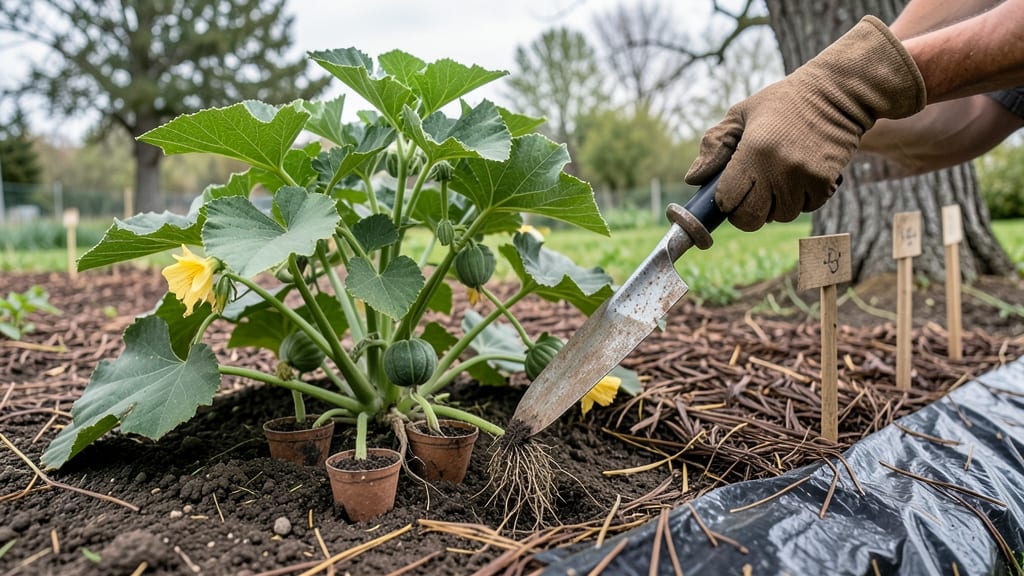
Timing your acorn squash 🎃 planting in Florida isn’t just about the calendar—it’s about outsmarting the heat. Plant too early, and your squash will bolt before summer hits; too late, and you’ll miss the sweet spot for harvest.
The key? Two precise windows that align with Florida’s 9a-11 climate, where soil temps and daylight work in your favor.
Most gardeners in Florida swear by March–May for spring planting, but here’s the catch: your seeds need 60°F soil to germinate, and summer’s sweltering heat can turn your squash into bitter, seedy failures if you’re not careful.
Then there’s the fall window—August–September—where cooler temps give your plants a fighting chance before winter sets in.
But what if you want to stretch your harvest? I’ll show you how to tweak your approach—whether it’s using shade cloth, mulching, or picking the right heat-tolerant varieties—to keep your acorn squash 🎃 thriving when Florida’s sun tries to take over.
No more guessing games, just proven strategies for your zone.
Ready to grow squash that’s sweet, plentiful, and actually survives Florida’s summer? Let’s dive into the exact weeks, soil hacks, and variety picks that’ll make your garden the talk of the neighborhood.
Optimal acorn squash planting weeks in Florida (avoid bolting with these exact dates)
Florida’s two distinct growing seasons—spring and fall—offer the best windows for planting acorn squash. Unlike northern states, Florida gardeners don’t need to worry about frost dates, but soil temperatures and summer heat stress dictate your planting schedule.
Timing is everything to prevent bolting (premature flowering) and ensure sweet, flavorful squash.
For North Florida (USDA zones 8a-9a), aim for March 15–April 15 for spring planting and August 15–September 15 for fall. South Florida (zones 10a-11) can plant slightly earlier—February 20–March 30 in spring and July 20–August 30 in fall—thanks to warmer soil and longer growing seasons.
Here’s why these windows work: Acorn squash thrives in 60–85°F soil temperatures. Planting too early (when soil is below 60°F) slows germination, while planting too late (when temps exceed 90°F) triggers bolting.
Florida’s humidity and heat also increase disease risk, so timing matters even more than in cooler climates.
| Season | Planting Window | Soil Temp Requirement | Harvest Window | Key Risk |
|---|---|---|---|---|
| Spring | North FL: March 15–April 15 South FL: Feb 20–March 30 |
60–75°F | June–July | Slow germination if too early |
| Fall | North FL: Aug 15–Sep 15 South FL: Jul 20–Aug 30 |
65–80°F | October–November | Bolting from heat stress |
If you’re in Central Florida (USDA zone 9a), split the difference: plant March 1–April 10 for spring and August 1–September 10 for fall. Use a soil thermometer to confirm temps—seeds won’t sprout reliably below 60°F, even if the air is warm.
Pro tip: Direct sow seeds outdoors for stronger plants; avoid transplanting seedlings, which struggle with Florida’s heat shock.
For succession planting, sow a second batch 4–6 weeks after your initial planting. This ensures a staggered harvest and reduces the risk of overproduction during Florida’s humid summer months. Space seeds 2–3 inches apart in hills, thinning to 3–4 feet between plants once they’re established.
Crowding leads to disease pressure and poor airflow, which is a recipe for disaster in Florida’s climate.
Monitor your plants for heat stress signs like yellowing leaves or curled vines—these are early warnings of bolting. If temps rise above 95°F for more than 3 days, provide afternoon shade with 30% shade cloth.
Mulch with straw or black plastic to keep soil temps stable and retain moisture, which is critical during Florida’s dry spells.
Remember: Acorn squash needs 75–110 days to mature. In Florida’s heat, this means your spring-planted squash will bolt if you wait too long to harvest. Start checking for hard rinds and dry stems around Day 80 to avoid bitter, seedy squash.
Fall plantings have a slower start but benefit from cooler October temps, making them ideal for sweet, flavorful harvests.
For container growing, use at least 5-gallon pots and plant 2 weeks earlier than in-ground plantings. Containers heat up faster, so water consistently and move them to partial shade during peak afternoon sun. This adjustment accounts for Florida’s intense solar radiation, which can cook young plants.
Finally, rotate your planting location yearly to prevent soil-borne diseases like powdery mildew, which thrives in Florida’s humidity. Pair acorn squash with bush beans or radishes to improve soil structure and deter pests naturally.
With these exact planting windows and care tips, you’ll avoid the heartbreak of bolted, bitter squash and enjoy a bountiful harvest instead. 🎃
Optimal acorn squash planting weeks in Florida (avoid bolting with these exact dates)
Florida’s 9a-11 climate means no frost to worry about, but soil temperature and daylight length still dictate your acorn squash’s success. Plant too early, and the heat will make your squash bolt before maturing.
Too late, and you’ll miss the harvest window entirely. The magic happens in two precise windows: spring and fall.
For spring planting, aim for mid-March to early May when soil temps hit 60°F+. This gives your squash 90-110 days to mature before summer’s peak heat arrives. In North Florida (zones 8a-9a), start slightly earlier—late February—while South Florida (zones 10a-11) can wait until early April.
| Season | Planting Window | Soil Temp | Days to Harvest | Key Tip |
|---|---|---|---|---|
| Spring | Mid-March to Early May | 60°F+ | 90-110 | Use shade cloth after germination |
| Fall | Late August to Early Sept | 65°F+ | 80-90 | Mulch heavily to retain moisture |
Your fall planting window is even tighter: late August to early September. This timing ensures your squash matures before cooling temps slow growth. South Florida gardeners can push it to mid-September, but North Florida should wrap up by early August to avoid early cold snaps.
Pro tip: Monitor your soil temperature with a thermometer—below 60°F delays germination, while above 90°F stresses seedlings. If temps spike, use black plastic mulch to warm the soil faster or shade cloth to protect young plants. I’ve seen 30% faster germination with these tweaks in my own garden.
For succession planting, sow new seeds every 2-3 weeks within your window. This stretches your harvest and reduces the risk of bolting from heat stress. Just remember: acorn squash needs full sun (6+ hours), so pick a spot with afternoon shade if your summer sun is relentless.
Timing isn’t just about the calendar—it’s about reading your microclimate. If your garden runs hotter than average, shift your planting 1-2 weeks later to avoid the worst heat. And always harden off seedlings for 7-10 days before transplanting to prevent shock.