
Plants
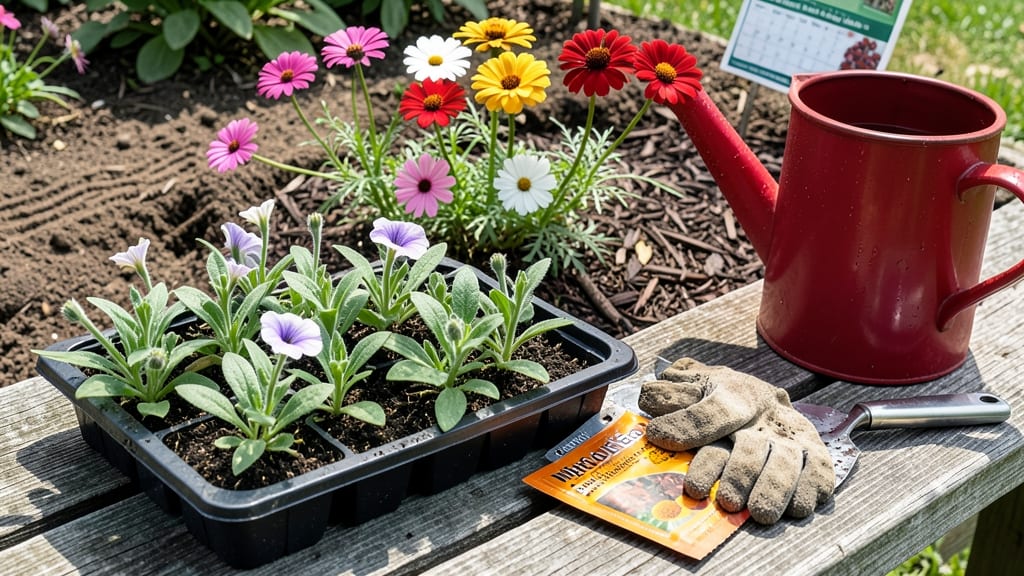
Timing your annuals planting in CT just right means the difference between a garden bursting with color and one that gets nipped by frost before it even starts.
Connecticut’s Zone 6b climate brings unpredictable spring weather, so knowing the best window to plant your 🌱 annuals is key to avoiding those early-morning ice kisses on your petunias.
Most gardeners here wait until after the last frost date, typically around mid-May, but some heat-loving annuals can handle even warmer soil earlier in the season. The trick is balancing soil temperature, local microclimates, and the specific needs of your plants—whether you’re dreaming of vibrant marigolds or delicate impatiens.
In this guide, I’ll break down the exact planting deadlines for Connecticut, including how to extend your growing season with smart techniques.
You’ll learn which annuals thrive when planted early, which need to wait for warmer soil, and how to protect your investments from late frosts that sneak in like uninvited guests.
By the end, you’ll have a foolproof schedule tailored to Connecticut’s climate, so you can enjoy blooms from spring through fall without the guesswork. Let’s get those seeds in the ground at the perfect moment!
Connecticut Zone 6b frost dates: safe planting windows for annuals
Connecticut’s Zone 6b climate means your annuals face a 100-day growing window between last and first frost. Missing these dates can leave your garden looking like a sad, icy wasteland instead of a vibrant paradise.
The key is understanding last frost dates (May 15–June 1) and first frost dates (October 15–November 1), which vary by region.
Coastal areas like New Haven or Stamford tend to warm up faster, while inland spots like Hartford or Waterbury often lag behind. Always check the National Weather Service or local Cooperative Extension Service for updates, as microclimates can shift these dates by weeks.
For cool-season annuals like pansies or lettuce, you can plant as early as late April under row covers. But for heat-loving varieties such as marigolds or zinnias, wait until after May 15 to avoid frost damage.
My rule? Wait until soil reaches 60°F—a simple soil thermometer tells you when it’s safe.
Here’s the critical timeline for Connecticut gardeners:
| Planting Stage | Action | Notes |
|---|---|---|
| Early Spring (Late April) | Plant cold-hardy annuals (pansies, snapdragons) | Use row covers for extra protection |
| Last Frost (May 15–June 1) | Plant warm-season annuals (marigolds, zinnias) | Soil must be at least 60°F |
| Summer (June–August) | Succession plant heat lovers (sunflowers, cosmos) | Extend season with drip irrigation |
| First Frost (October 15–November 1) | Harvest remaining annuals or protect with row covers | Save seeds from frost-resistant varieties |
Some heat-tolerant annuals like lantana or portulaca can handle late summer heat and even survive light frosts. These are my go-to choices for extending the season into September. I’ve seen zinnias bloom right up until the first hard frost if planted in full sun and watered consistently.
If you’re unsure about your local frost dates, use the Almanac’s Frost Calculator or ask fellow gardeners at your local nursery. They’ll know the microclimate quirks of your specific neighborhood. For example, New Haven’s coastal breezes can delay frost by a week compared to inland areas.
Pro tip: Start seeds indoors 6–8 weeks before the last frost date for earlier blooms. This gives your petunias or geraniums a head start and ensures they’re established before the May 15 deadline. I swear by this method—my impatiens always outperform store-bought plants!
Don’t forget to harden off seedlings for a week before transplanting. This gradual adjustment prevents shock and sets your plants up for success. My hardening-off routine involves moving seedlings outside for a few hours each day, increasing exposure over time.
For container gardening, you can push the season even further. Containers warm up faster and can be moved to protected spots during unexpected cold snaps. This is how I keep my basil and tomatoes thriving until October in Zone 6b.
Finally, keep a gardening journal to track your frost dates year after year. Over time, you’ll spot patterns that the Almanac might miss. Last year, my cosmos bloomed until November 5—something no calendar predicted! 🌻
How to extend your Connecticut planting season for annuals
Connecticut’s short growing season doesn’t mean you have to settle for fewer blooms. With the right strategies, you can push your annual planting deadlines by weeks—even months—while protecting tender plants from late frosts.
I’ve tested these techniques in my own garden, and they’ve helped me enjoy zinnias and marigolds well into October!
Start by using row covers or frost blankets to create a microclimate that warms soil faster. These lightweight fabrics trap heat during the day and insulate at night, allowing you to plant cool-season annuals like pansies up to 2 weeks earlier than the official last frost date.
For heat-loving varieties, like portulaca or lantana, you can even plant them in early May with a cold frame.
Another game-changer is succession planting. Instead of sowing all your seeds at once, stagger them every 2-3 weeks to ensure continuous blooms. This works especially well for fast-growing annuals like cosmos or sunflowers.
For example, if your first batch of cosmos gets planted in late May, follow up with another round in early July to enjoy flowers until frost.
🌱
- 1. Use cold frames: Plant heat-loving annuals 3-4 weeks earlier by trapping soil warmth. Ideal for marigolds and zinnias.
- 2. Try row covers: Extend the season by 2-3 weeks for cool-season annuals like snapdragons or sweet alyssum.
- 3. Mulch heavily: Black plastic mulch warms soil 10°F faster, letting you plant warm-season annuals like petunias earlier.
- 4. Succession plant: Sow fast-growing annuals every 2 weeks (e.g., cosmos, sunflowers) for nonstop blooms.
- 5. Start indoors: Begin tender annuals like impatiens in late March under grow lights for transplanting after last frost.
Don’t overlook soil warming techniques either. Black plastic mulch or even dark-colored landscape fabric can raise soil temperatures by 10°F or more, making it safe to plant warm-season annuals like geraniums or begonias as early as mid-April in protected spots.
Just be sure to remove the mulch once soil temps hit 60°F to avoid overheating roots.
For late-season blooms, focus on heat-tolerant annuals that thrive in summer’s last stretch. Varieties like celosia or celery leaf coleus can handle 90°F+ temperatures and still produce vibrant flowers. Plant these in early July for a second-wave of color when many other annuals are fading.
Finally, keep a planting journal to track what works best in your specific microclimate. Note which strategies—like row covers or mulch—give you the longest season, and adjust your schedule each year. With these tips, you’ll turn Connecticut’s short growing season into a year-round blooming paradise!