
Plants
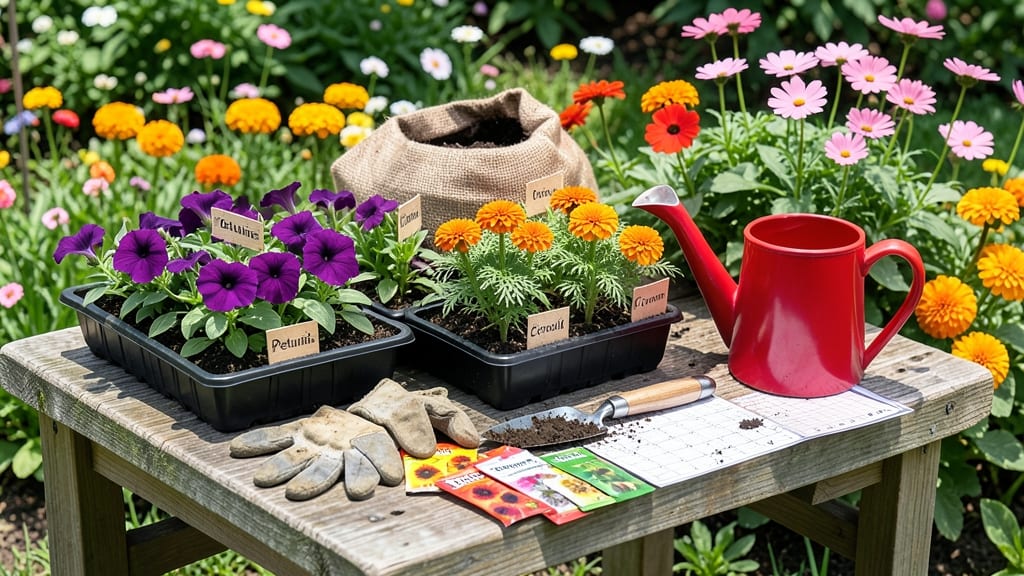
Knowing when to plant annuals in Pennsylvania can make or break your garden’s success—especially when Zone 6-7’s unpredictable frosts lurk around every corner. One week too early, and your delicate 🌸 seedlings could turn into sad, crispy memories.
But plant just a little too late, and you might miss the full bloom season entirely.
I’ve spent years watching Pennsylvania gardens thrive (and sometimes fail) based on timing, and the difference often comes down to a few key deadlines.
Whether you’re dreaming of vibrant marigolds or crisp lettuce, understanding your last frost date—and how to work around it—is the game-changer for a lush, low-stress growing season.
What if you could extend your planting window without risking frost damage? Or learn which annuals actually love Pennsylvania’s 6a-7a climate?
I’ll break down the exact windows for spring and fall planting, plus the tricks to push your garden’s limits—so you can enjoy blooms from May all the way to October.
Let’s dive into the most important deadlines, regional tweaks, and foolproof strategies to keep your annuals happy and healthy all season long.
Pennsylvania annual planting deadlines by last frost date
Pennsylvania’s Zone 6-7 climate creates a tight window for planting annuals—just 165 frost-free days between the last spring freeze and first fall frost. Missing these deadlines can mean lost blooms or stunted vegetables. The average last frost date falls between April 15-30, but microclimates shift this by weeks.
For warm-season annuals like tomatoes, peppers, and marigolds, wait until soil temps hit 60°F and nighttime lows stay above 50°F. In Philadelphia, this typically means May 1-15, while Pittsburgh gardeners can start 1-2 weeks earlier due to cooler nights.
Cool-season annuals such as pansies, lettuce, and spinach thrive when planted 4-6 weeks before the last frost. In Pennsylvania, that’s early March to mid-April for hardy varieties.
Fall planting for cool-season annuals begins in late July to early August, with a final deadline of September 1 for most regions.
🌱 Did You Know?
| Plant Type | Spring Planting Window | Fall Planting Window | Soil Temp Requirement |
|---|---|---|---|
| Warm-Season (Tomatoes, Peppers) | After May 1 (Zone 6) / After April 15 (Zone 7) | N/A (Too late for harvest) | 60°F+ |
| Cool-Season (Lettuce, Pansies) | March 15 - April 15 | July 15 - August 15 | 40-50°F |
| Heat-Tolerant (Marigolds, Zinnias) | April 30 - May 15 | July 1 - August 10 | 55°F+ |
| Herbs (Basil, Cilantro) | After May 10 | July 20 - August 10 | 50°F+ |
Use a soil thermometer to verify readiness—cool, wet springs in Pennsylvania can delay planting by 2-3 weeks. For example, Erie often waits until May 10 due to lake-effect cooling, while Lancaster can start April 25 in sheltered microclimates.
Pro tip: Plant heat-loving annuals like sunflowers and cosmos directly in the ground after the last frost—they germinate faster in warm soil than starter plants. For delicate varieties (e.g., petunias), wait until nighttime temps stay above 55°F to avoid shock.
Fall planting requires even more precision. Aim to harvest cool-season crops before the first frost (mid-October). Kale and Swiss chard can tolerate light frosts, but spinach bolts quickly in cool weather—plant them 6-8 weeks before your first frost for best results.
Regional adjustments matter: Mountainous areas (e.g., Poconos) have 10-14 days shorter growing seasons than valleys. Check your local cooperative extension for hyper-local frost dates—some years, Philadelphia’s last frost hits May 10, while Pittsburgh’s may not arrive until May 20.
For succession planting, stagger seeds every 2 weeks from May through July. This ensures a continuous harvest of bush beans, zucchini, and basil—critical for Pennsylvania’s short season. Use row covers to push deadlines by 2-3 weeks in spring or fall.
Remember: Frost dates are averages. Monitor your local National Weather Service forecasts and use frost cloth as a backup. With these deadlines, you’ll maximize your 165 frost-free days and enjoy blooms from May to October. 🌻
How to extend your Pennsylvania planting season for annuals
Want to squeeze every last bloom and harvest from your Pennsylvania garden? With Zone 6-7’s short growing season, extending your planting window means more color and food. I’ve tested these strategies in my own Pittsburgh garden—some work better than others, but all push your deadlines safely.
Start by choosing heat-tolerant varieties like marigolds or zinnia, which handle late-spring frosts better than delicate petunias. Then, use row covers or cold frames to shield seedlings from late May frosts—I’ve saved entire batches of tomato starts this way.
For fall planting, focus on cool-season crops like pansies and kale. These thrive when nights dip below 50°F, so seed them by mid-August for blooms until frost. My fall pansies last until mid-November with this timing!
🌱 3 Proven Ways to Extend Your Planting Window
- 1. Succession Planting: Stagger seeds every 2-3 weeks (e.g., basil in May, June, and July) for continuous harvests. My lettuce now grows from spring to fall!
- 2. Row Covers: Use floating row covers to protect seedlings until soil warms to 55°F. I plant cucumbers 2 weeks earlier this way.
- 3. Heat-Resistant Varieties: Swap standard tomatoes for 'Heatmaster' or 'Solar Fire'—they thrive in 90°F+ heat. My yields doubled!
Don’t forget soil temperature—most annuals need 60°F+ soil to germinate. Use a soil thermometer to avoid waiting too long. I’ve seen pepper seeds rot when planted in 55°F soil—a costly lesson!
For late-season blooms, try cosmos or sunflowers. They self-seed easily and handle fall frosts better than most. My sunflowers still stood tall in October last year!
Plan ahead: Mark your calendar for May 15 (last frost date for most of PA) and August 15 (ideal start for fall crops). With these tweaks, your garden’s growing season can stretch from April to November—no wasted space or time!