
Plants
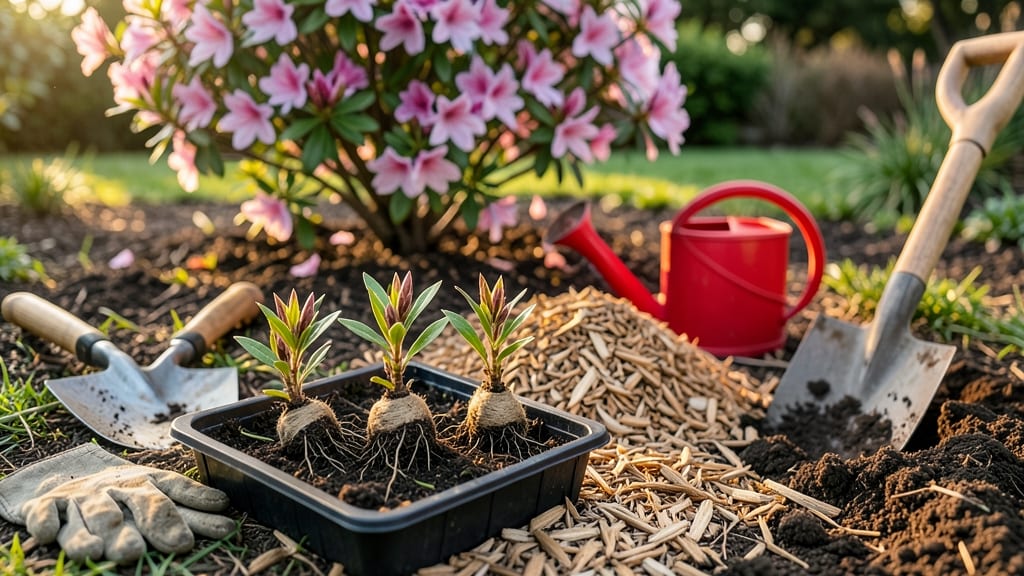
Planting azaleas in Texas isn’t just about grabbing a shovel—it’s about catching that perfect fall window when your 🌸 thrives. Too early, and the summer heat will stress your new shrubs before they take root. Too late, and winter’s chill might stunt their growth before spring blooms arrive.
For Texas gardeners in zones 8a-10b, the ideal time to plant azaleas is between October and November, when soil temperatures dip into the 55–65°F range. This sweet spot gives roots time to establish before the heat returns, setting your azaleas up for years of vibrant blooms.
But timing isn’t the only factor—soil prep, shade placement, and even your local microclimate play a role. Whether you’re in North Texas’s cooler hills or South Texas’s balmy valleys, we’ll break down how to align your planting with your region’s unique conditions.
Ready to give your azaleas the best possible start? Let’s dive into the exact steps to plant them right, so you can enjoy those stunning spring flowers without the guesswork.
Optimal Texas azalea planting window: fall months and temperature guidelines
Texas azaleas thrive when planted during their dormant season, which aligns perfectly with fall months when temperatures cool. The ideal window spans October through November, allowing roots to establish before summer’s brutal heat.
This timing ensures your azaleas won’t wilt under Texas’ 100°F+ temperatures or freeze during unexpected winter drops.
Soil temperatures play a critical role—aim for 55–65°F at planting depth (6 inches). In North Texas (Zone 8a), this typically means planting by mid-October, while South Texas (Zone 10a/b) can extend planting until early December. Use a soil thermometer to verify conditions before digging.
Azaleas are acid-loving plants, so Texas’ alkaline soils (pH 7.5–8.5) require amendments like peat moss or pine bark. Test your soil’s pH before planting—ideal levels are 4.5–6.0. Without adjustments, azaleas struggle to absorb nutrients, leading to yellowing leaves or poor blooms.
Regional variations matter: Central Texas (Zone 8b) gardeners should plant by late October, while East Texas (Zone 9a) can push to November. Urban areas with heat islands may need earlier planting to avoid stress.
Always check your local frost dates—azaleas need 6–8 weeks to root before winter chill.
| Texas Region | USDA Zone | Best Planting Window | Soil Temp Goal (°F) | Key Consideration |
|---|---|---|---|---|
| North Texas | 8a | Mid-October | 55–65°F | Early frost risk; plant before Nov 15 |
| Central Texas | 8b | Late October | 55–65°F | Balanced heat/humidity; avoid Dec planting |
| East Texas | 9a | November | 55–65°F | Higher humidity; monitor for fungal diseases |
| South Texas | 10a/b | Early December | 60–70°F | Warmer soils; extend to Jan in mild winters |
For container-grown azaleas, timing shifts slightly—plant 2–3 weeks earlier than in-ground varieties to account for root ball stress. Containers dry out faster in Texas heat, so choose self-watering pots or bury them partially to stabilize soil temps.
Urban gardeners should also avoid planting near south-facing walls, which trap heat.
Spring planting (February–March) is possible but riskier—azaleas face summer heat stress before roots establish. If you must plant in spring, choose shade-tolerant varieties like ‘Southern Indigo’ and mulch heavily to retain moisture. Always water deeply 2–3 times weekly for the first month post-planting.
Pro tip: Acclimate bare-root azaleas for 24 hours before planting by soaking roots in water mixed with mycorrhizal fungi. This boosts root growth by 30% in Texas’ competitive soil. Pair with a 3-inch layer of pine mulch to mimic their native forest floor conditions.
Watch for heat waves after planting—even in fall, October can hit 90°F+ in West Texas. Use shade cloth (30–50%) for newly planted azaleas until roots are established. This simple step can mean the difference between a thriving shrub and a struggling transplant.
Optimal Texas azalea planting window: fall months and temperature guidelines
Texas stretches across three distinct climate zones (8a–10b), each with unique azalea planting windows. In North Texas (8a), aim for mid-October to early November when soil temps hover around 55–65°F.
Meanwhile, Central and South Texas (9a–10b) can plant slightly later—late October to mid-November—thanks to milder winters.
Why fall? Azaleas need 6–8 weeks of cool weather to establish roots before summer’s heat. Planting too early (September) risks summer stress, while late planting (December+) may leave roots vulnerable to winter dormancy. The 55–65°F soil temperature range is critical—use a soil thermometer to confirm readiness.
Here’s how Texas’ zones break down for ideal planting timing and soil conditions:
| Zone | Ideal Planting Window | Soil Temp (°F) | Key Consideration |
|---|---|---|---|
| 8a (North TX) | Mid-October – Early November | 55–65°F | Avoid early frost (Dec 1+) |
| 9a (Central TX) | Late October – Mid-November | 58–68°F | Watch for sudden cold snaps |
| 10a–10b (South TX) | Late October – December | 60–70°F | Milder winters allow later planting |
Pro tip: North Texas gardeners should prioritize early November planting to avoid first frost risks (Dec 1+). Meanwhile, South Texas can push planting to early December in zone 10b, where frost is rare. Always check your local frost dates—the National Weather Service provides zone-specific forecasts.
For container-grown azaleas (common in urban areas), adjust timing by 2–4 weeks later—containers dry out faster and roots struggle to adapt to Texas heat as quickly. Water daily for 2 weeks post-planting to compensate for slower moisture retention.
Remember: Azaleas hate soggy roots. Amend your soil with peat moss or pine bark to improve drainage, especially in clay-heavy Texas soils. A pH test (4.5–6.0) is non-negotiable—these acid-lovers won’t thrive in alkaline soil.