
Plants
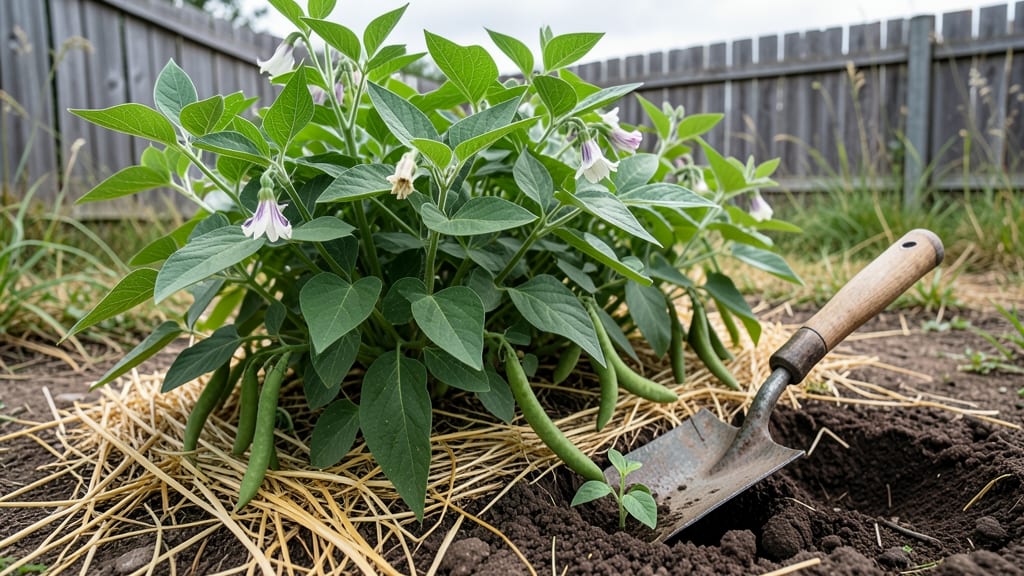
Timing your bean planting in Oklahoma isn't just about following a calendar—it's about outsmarting the state's unpredictable droughts and sudden frost risks. 🌱 Whether you're growing bush beans for quick harvests or pole beans for a longer season, planting too early or too late can mean the difference between a bountiful garden and wasted seeds.
Most gardeners in Oklahoma's USDA zones 6a-8a know that mid-April to early June is the classic window for spring beans, but fall plantings in late July can also yield great results if you play your cards right.
The key? Waiting until soil temperatures hit at least 60°F—any cooler, and your seeds will just sit there, waiting for warmth that never comes.
What sets Oklahoma apart from other states is how microclimates affect planting. The Panhandle's dry heat demands different varieties than the more humid eastern regions, and rainfall patterns can shift your timeline by weeks.
I’ll show you how to read your local forecast, adjust for drought-resistant varieties, and even use companion planting to protect your crop.
By the end, you’ll know exactly when to plant for your specific corner of Oklahoma—whether you’re in the city or out in the country—and how to stretch your harvest season from summer straight into fall. Let’s get those beans in the ground the right way.
Best planting windows for beans in Oklahoma by region
Timing is everything when planting beans in Oklahoma, where soil temperatures and rainfall patterns vary wildly between regions. The Panhandle (USDA Zone 7b-8a) has earlier last-frost dates than eastern Oklahoma (Zone 6a-7a), so your planting window shifts dramatically.
For example, in Oklahoma City, aim for mid-April to early June, while Tulsa gardeners can start slightly later, around late April to early June. These windows ensure seeds germinate in 60°F+ soil, the sweet spot for bean growth.
Oklahoma’s fall planting is equally critical—late July to early August gives beans time to mature before the first frost (typically mid-November in most zones). This second window is perfect for heat-tolerant varieties like Rattlesnake beans, which handle Oklahoma’s 90°F+ summers without wilting.
For rural areas with cooler microclimates, like the Arbuckle Mountains, push planting to late May or early July to avoid early frosts.
| Region | Spring Planting Window | Fall Planting Window | Soil Temp Threshold | Best Varieties |
|---|---|---|---|---|
| Oklahoma City (Zone 7a) | Mid-April to early June | Late July to early August | 60°F+ | Bush Blue Lake, Kentucky Wonder |
| Tulsa (Zone 7b) | Late April to early June | Early July to mid-August | 60°F+ | Pole Blue Lake, Scarlet Runner |
| Panhandle (Zone 8a) | Early April to late May | Mid-June to early July | 65°F+ | Rattlesnake, Iron Clay |
| Eastern OK (Zone 6a) | Late April to early June | Late July to early August | 60°F+ | Black Valentine, Contender |
For pole beans, which take 60-70 days to mature, start seeds indoors in early April and transplant after the last frost. Bush beans, faster-maturing (50-60 days), can go straight into the ground once soil warms.
In drought-prone areas like the Western Plains, opt for fall planting to avoid summer dry snaps—beans planted in late July often yield better than those struggling through June heat.
Check your local USDA Plant Hardiness Zone for precise frost dates, but remember: Oklahoma’s weather is unpredictable. Use a soil thermometer to confirm 60°F+ soil before planting—cold soil delays germination by weeks.
Pro tip: Plant test rows 1-2 weeks before your ideal window to gauge soil conditions and adjust timing.
In urban gardens with limited space, container-grown beans can extend your season. Use black pots to absorb heat and plant in early May for a late-summer harvest. Just ensure containers have drainage holes to prevent root rot—a common issue in Oklahoma’s clay-heavy soils.
Mulch with straw or wood chips to retain moisture and regulate soil temperature.
If you’re in Zone 8a (like the Panhandle), you can even squeeze in a third planting in early September for a fall harvest before frost. Choose short-season varieties like Contender or Blue Lake to ensure maturity.
For Zone 6a areas, stick to one spring and one fall planting to avoid frost damage.
Always monitor rainfall forecasts—Oklahoma’s flash droughts can turn fertile soil to dust overnight. If a dry spell hits,
How to adjust planting for Oklahoma’s unpredictable rainfall patterns
Oklahoma’s unpredictable rainfall can turn your bean garden into a gamble if you don’t plan ahead. One week of heavy downpours can drown seedlings, while sudden dry spells stress mature plants.
The key is flexible timing—adjusting your planting schedule based on soil moisture and weather forecasts rather than rigid dates.
Start by monitoring weekly rainfall totals through local weather services like the National Weather Service. Oklahoma typically sees 2-3 dry months in summer, so planting drought-tolerant varieties (like 'Rattlesnake' beans) gives you a safety net.
If forecasts show below-average rain for April or May, delay planting until late May to avoid germination issues.
Use a simple soil moisture test before planting: Dig a 6-inch hole and check if the soil is damp at the bottom. If it’s dry, wait for rain or irrigate lightly to prep the seedbed.
In western Oklahoma (like the Panhandle), where droughts are more severe, consider drip irrigation to maintain consistent moisture.
For fall plantings (July-August), aim for 60-70°F soil temps and watch for early September rains, which signal the start of Oklahoma’s monsoon season. If you miss this window, opt for fast-maturing varieties (like 'Blue Lake') to harvest before the first frost in November.
Extend your harvest window by succession planting: Sow a new batch every 2-3 weeks from April to July. This ensures a steady supply of beans even if one planting fails due to unexpected drought or heavy storms.
Pair this with straw mulch to reduce evaporation and keep roots cool during 100°F+ days.
Finally, keep an eye on flash flood warnings in low-lying areas. If heavy rain is forecasted, raise seedling trays or plant on sloped beds to prevent waterlogging. With these adjustments, you’ll turn Oklahoma’s unpredictable climate into an advantage, not a challenge. 🌧️💧