
Plants
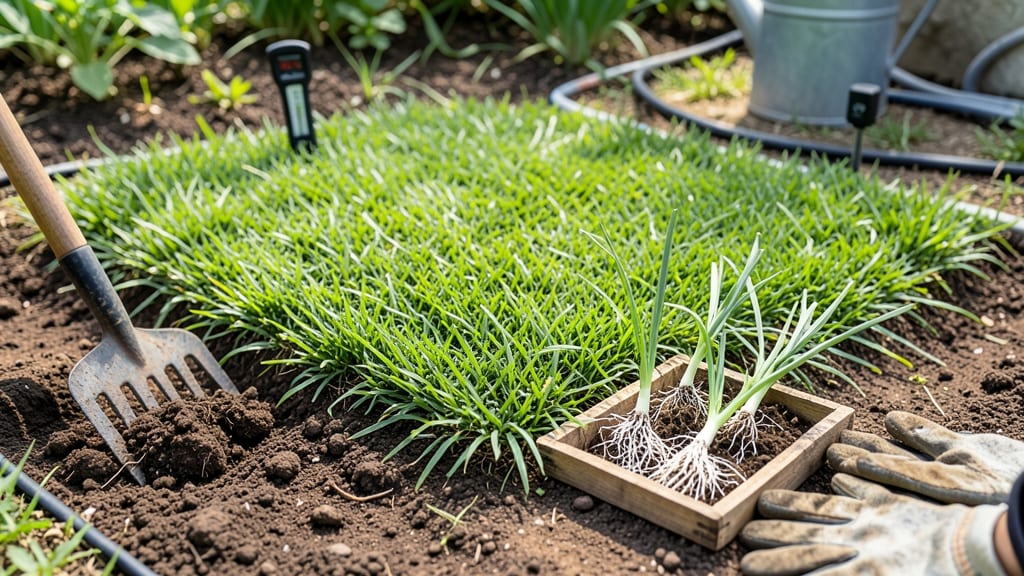
If you're dreaming of a lush, heat-resistant Bermuda grass lawn in Florida, timing your planting is the secret weapon you can't afford to ignore.
The wrong window could leave you staring at patchy, struggling grass instead of the vibrant carpet you want—especially when summer's brutal heat is just around the corner.
Here's the truth: Bermuda grass 🌱 thrives when planted at the right moment, and Florida's diverse climate means the perfect time varies from North to South.
Whether you're in the 8a-11 zones, you'll want to know exactly when soil temperatures hit that sweet spot for fast establishment—because waiting too long can mean slower growth and weaker roots.
I've seen firsthand how spring or early summer planting gives Bermuda grass the best shot to take hold before the real heat sets in.
But there's more to it than just picking a month—soil prep, regional microclimates, and even avoiding common mistakes make all the difference in getting that fast, dense coverage you're after.
Let me walk you through the exact planting windows, soil prep tips, and regional considerations that will help your Bermuda grass establish quickly—so you can enjoy that perfect Florida lawn without the guesswork. Ready to get started?
Best planting windows for Bermuda grass in Florida by region
Florida’s climate varies dramatically from North to South, making planting timing critical for Bermuda grass success. In North Florida (Zones 8a-9a), cooler winters mean you’ll want to plant earlier than in the warmer Central and South Florida (Zones 9b-11).
The key rule? Wait until soil temps hit 65°F+—cold soil slows germination and weakens roots.
Bermuda grass is a warm-season grass, so it thrives when nights stay above 50°F (10°C). In North Florida, this typically aligns with late April to early June, while Central/South Florida can plant as early as March—even February in the southernmost regions like Miami-Dade.
Planting too early risks winter dieback or stunted growth.
For fastest establishment, aim for spring planting (March-May) in most of Florida. This gives the grass 6-8 weeks of warm weather before summer’s peak heat. Fall planting (September-October) is also viable in Central/South Florida, but risk of hurricane season makes spring the safer bet.
Here’s how Florida’s regions break down for optimal Bermuda grass planting:
| Region | USDA Zone | Best Planting Window | Soil Temp Threshold | Key Consideration |
|---|---|---|---|---|
| North Florida (Jacksonville, Gainesville) | 8a-9a | Late April–Early June | 65°F+ (consistently) | Cooler winters; avoid planting before last frost risk. |
| Central Florida (Orlando, Tampa) | 9b-10a | March–May (or Sept–Oct) | 65°F+ (soil) | Hurricane season risk in fall; spring preferred. |
| South Florida (Miami, Fort Lauderdale) | 10b-11 | February–April (or Aug–Sept) | 60°F+ (soil) | Year-round growth possible; avoid peak summer heat. |
In North Florida, late April is ideal because it avoids late-spring frosts while giving the grass time to establish roots before summer’s 90°F+ heat. For Central Florida, March planting ensures the grass has 3-4 months of growth before summer’s peak.
Meanwhile, South Florida’s longer growing season lets you plant as early as February, but avoid June-August when humidity and pests spike.
Pro tip: Use a soil thermometer to confirm temps. Bermuda grass won’t germinate below 65°F, and planting in 50-60°F soil weakens seedlings. In North Florida, this often means waiting until after Memorial Day for safe planting.
Another critical factor is humidity. Florida’s 90%+ humidity in summer can lead to fungal diseases like brown patch if seedlings are stressed. Planting in spring gives the grass time to develop deep roots before the monsoon season hits.
For fall plantings, aim for September in Central Florida to avoid hurricane season disruptions.
If you’re replacing an existing lawn, start Bermuda grass 6-8 weeks before your ideal move-in date. This accounts for germination (7-14 days), establishment (4-6 weeks), and fill-in growth.
For example, if you want a fully green lawn by Memorial Day, plant in late March in Central Florida.
For sod vs. seed, timing shifts slightly. Sod can be laid 2-3 weeks earlier than seed because it’s instant coverage. But seeds need consistent warmth to sprout, so stick to the 65°F+ soil rule regardless.
In South Florida, you can even plant seed in December, but growth will slow without spring warmth.
Remember: Bermuda grass is aggressive and will spread quickly once established. But poor timing leads to thin, patchy lawns that struggle with Florida’s heat and humidity. Get the planting window right, and you’ll have a dense, drought-resistant lawn in no time. 🌱
Best planting windows for Bermuda grass in Florida by region
Florida’s climate varies dramatically from North to South, making the perfect planting window for Bermuda grass different depending on your zone.
In North Florida (USDA 8a-9a), cooler winters mean you’ll want to plant earlier to avoid heat stress, while Central and South Florida (USDA 9b-11) can handle later plantings thanks to year-round warmth.
The golden rule? Plant when soil temperatures hit at least 65°F—this ensures fast germination and establishment. For most of Florida, this means aiming for spring or early summer, but regional tweaks make all the difference.
Here’s a quick breakdown of the best planting windows by region to maximize your Bermuda grass’s potential:
| Region | Optimal Planting Window | Soil Temp Threshold | Key Consideration |
|---|---|---|---|
| North Florida (8a-9a) | Early March to mid-May | 65°F+ (soil) | Avoid late spring heatwaves |
| Central Florida (9b-10a) | April to June | 68°F+ (soil) | Balances rain and heat for growth |
| South Florida (10b-11) | Late March to August | 70°F+ (soil) | Year-round potential, but summer planting needs extra water |
In North Florida, planting too late (after May) risks the heat drying out seedlings before they establish. Meanwhile, Central and South Florida can extend planting into summer, but you’ll need to water deeply and frequently to combat evaporation and fungal risks.
Pro tip: Use a soil thermometer to check temperatures before planting—this is especially critical in transition zones like Orlando or Tampa, where microclimates can vary dramatically. Aim for consistency at 65-75°F for the best results.
Once you’ve nailed the timing, the next step is preparing your soil and lawn for planting. This is where many gardeners trip up—skipping soil prep can mean slow growth or even failure, no matter how perfect your planting window is.
Let’s dive into the essential prep steps to give your Bermuda grass the best start possible.