
Plants
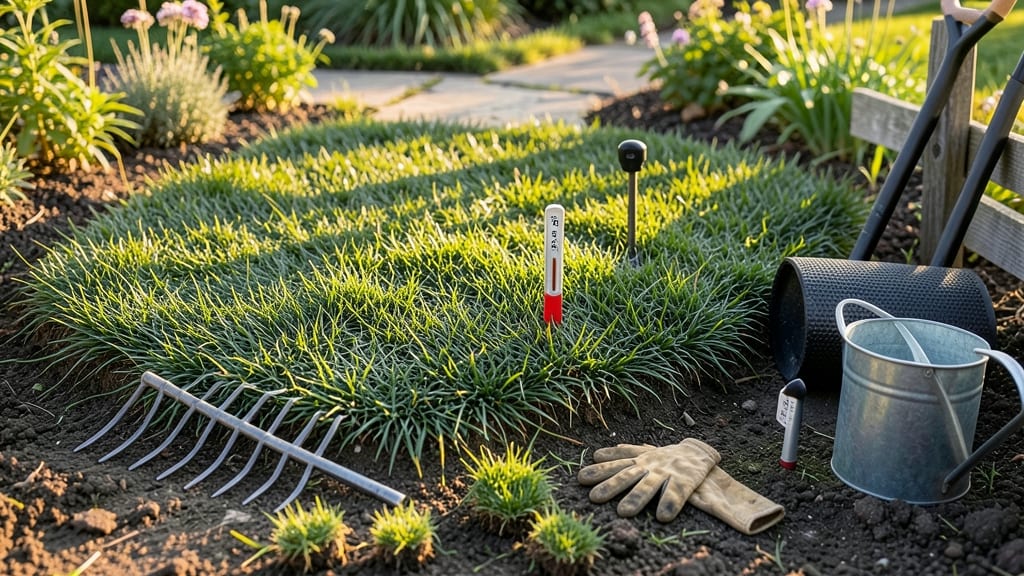
Timing your Bermuda grass 🌱 planting just right in Oklahoma could mean the difference between a lush, drought-resistant lawn and months of frustration.
The perfect window—when soil temperatures hit 65°F—falls between late April and early June for spring planting, or August to early September for fall establishment, aligning with Oklahoma's 6b-8a climate zones.
Why does this matter? Bermuda grass thrives in heat but struggles with cool soils, so planting too early risks frost damage, while waiting too long can stress young roots before summer's intensity.
I'll break down the exact months for northern vs. southern Oklahoma regions and share the fastest ways to get your lawn established before the brutal summer heat sets in.
You might think seed is cheaper, but sod delivers instant coverage—critical when Oklahoma's unpredictable spring rains or late-season droughts threaten your progress. We'll cover both methods, plus pro tips for soil prep that ensures your grass spreads aggressively, outpacing weeds and staying green through 100°F+ days.
Ready to skip the guesswork? Let's dive into the precise planting calendar, heat-resistant varieties, and post-planting care that'll have your lawn looking like a pro's by summer. Your Oklahoma dream lawn starts with these critical steps—let's make it happen.
Best planting months for Bermuda grass in Oklahoma’s climate zones
Planting Bermuda grass in Oklahoma requires careful timing to beat the state’s unpredictable spring rains and scorching summer heat. The ideal window depends on your region—northern Oklahoma’s cooler springs delay planting, while southern Oklahoma’s milder climate allows earlier starts.
Let’s break down the exact months and soil temperature thresholds for success.
For northern Oklahoma (USDA Zones 6b-7a), aim to plant Bermuda grass between late April and early May. This timing ensures soil temperatures reach the 65°F minimum needed for germination while avoiding late-season heat stress.
Southern Oklahoma (Zones 7b-8a) can start as early as mid-March to April, when frost risk drops and daytime highs stabilize above 70°F.
Fall planting is another viable option for Oklahoma lawns. Plant Bermuda grass sprigs or seed between late August and early September to give roots time to establish before winter dormancy. This approach reduces competition from weeds and avoids summer’s intense heat that can stress young grass.
Missed the spring window? Don’t panic—late summer planting (June-July) still works if you’re willing to invest in extra irrigation and shade protection during establishment. However, this method requires daily deep watering to prevent seed desiccation under Oklahoma’s 100°F+ temperatures.
Here’s a quick rule of thumb: Plant when soil temps hit 65°F and stay above 70°F for at least 4-6 weeks. Use a soil thermometer to monitor—Oklahoma’s clay-heavy soils can retain heat longer than sandy areas, creating microclimates even within the same county.
Avoid planting in early spring (before last frost) or late summer (after August 15). Early starts risk frost damage, while late starts leave grass vulnerable to fall frosts before full root establishment. For sod installation, adjust these windows by 2-3 weeks earlier—sod establishes faster than seed.
Oklahoma’s variable rainfall patterns also play a role. Plant during dry spells in spring (April-May) to avoid waterlogged soil, which can suffocate seeds. In fall, aim for September’s steady rains to reduce your irrigation workload while promoting root growth.
Pro tip: Check your local USDA Plant Hardiness Zone for precise timing. For example, Tulsa (Zone 7a) aligns with southern OK’s schedule, while Oklahoma City (Zone 7b) leans toward northern OK’s later window. Extension offices often host free soil testing in early spring—take advantage!
Remember: Bermuda grass spreads aggressively once established, but poor timing leads to thin patches, weed invasion, or drought stress. With the right planting window, you’ll have a lush, heat-proof lawn that outlasts Oklahoma’s 100°F summers with minimal care.
Now that you’ve locked down the perfect planting window, your next steps include soil preparation and variety selection. For northern Oklahoma, focus on drought-resistant varieties
Best planting months for Bermuda grass in Oklahoma’s climate zones
Oklahoma’s USDA zones 6b-8a create distinct planting windows for Bermuda grass 🌱—miss them, and you risk weak establishment or frost damage. The sweet spot is when soil temps hit 65°F, which varies by region.
For northern Oklahoma (zones 6b-7a), aim for late April to early June, while southern Oklahoma (zones 7b-8a) can start as early as March to April.
Fall planting is your backup plan—August to early September lets roots establish before winter dormancy. This timing avoids late-summer heat stress while still giving grass time to spread before cold sets in. I’ve seen lawns planted in July struggle under 100°F+ temps, so timing is everything.
🌱Visual Guide: Use a soil thermometer to confirm 65°F+ before planting. Northern OK’s cooler springs mean waiting until May is safer than rushing in April.
| Region | Spring Planting Window | Fall Planting Window | Key Risk |
|---|---|---|---|
| Northern OK (6b-7a) | Late April - Early June | Late August - Early September | Late frost damage |
| Central OK (7a-7b) | Mid-April - Late May | Early August - Mid-September | Summer drought stress |
| Southern OK (7b-8a) | March - Early April | July - Early September | Heatwave shock |
Seed vs. sod matters too—sod can go in 2 weeks earlier than seed because it’s already established. For northern OK, that means sod in early April vs. seed in mid-April.
The tradeoff? Sod costs 3-5x more but delivers instant coverage, which is a game-changer if you’re tired of weeds.
Pro tip: If you’re planting seed, double-check rainfall forecasts. Oklahoma’s spring showers can wash seeds away if you plant too close to rainy periods. I once lost a whole lawn patch because I ignored a 3-inch rain prediction—don’t make that mistake!
🌡️Temperature Check: Bermuda grass seeds need 70°F+ soil to germinate, while sod tolerates slightly cooler temps. Use a soil thermometer ($10 at garden centers) to avoid guessing.
For both spring and fall, avoid planting in extreme heat (above 90°F) or cold (below 55°F). Your grass will struggle to establish roots, leaving it vulnerable to weeds. Think of it like training for a marathon—gradual, controlled conditions win the race.