
Plants
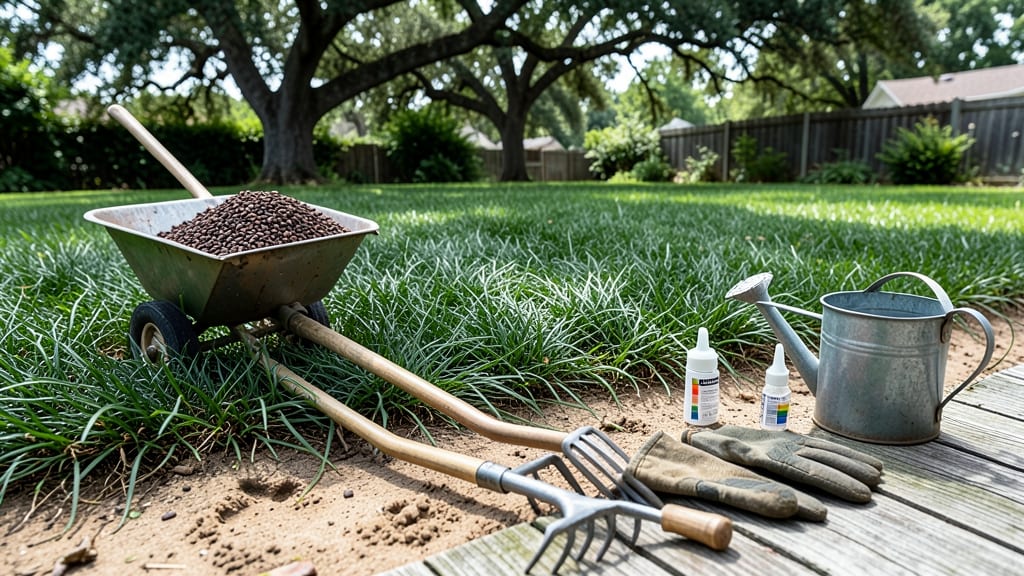
Planting Bermuda grass seed in Georgia at the wrong time can turn your dream lawn into a crispy, brown wasteland before it even gets started.
The key to success isn't just waiting for warm weather—it's understanding the exact window when soil temperatures and rainfall align to give those tiny seeds their best shot at survival. With Georgia's 7a-8b climate zones, timing can mean the difference between a thick, green carpet and a patchy disappointment.
Most gardeners assume Bermuda grass 🌱 can handle any heat, but young seedlings actually need a delicate balance—warm enough to germinate but not so hot they dry out in minutes.
That's why the University of Georgia Extension recommends planting during late April through early June or again in August to early September. These windows give seeds time to establish roots before summer's peak intensity or winter's first chill.
What makes this even trickier is Georgia's regional variations—coastal areas stay warmer longer than the Piedmont, while northern Georgia faces earlier frosts.
I'll break down how to read your local microclimate clues, from soil temperature tests to watching for those first consistent 75°F+ days that signal it's go-time for your Bermuda grass seed.
Ready to skip the guesswork? Let's dive into the step-by-step timing, soil prep secrets, and heat management tricks that'll have your lawn looking like a pro's work—without the pro's price tag. Your future self (and your mower) will thank you.
Georgia’s Bermuda grass planting zones: when to start seeds for maximum germination
Georgia’s climate offers two prime windows for planting Bermuda grass seed: late spring and early fall. But timing isn’t one-size-fits-all—northern Georgia’s cooler microclimates (USDA Zone 7a) demand earlier planting than southern Georgia’s hotter regions (Zone 8b). The key is waiting until soil temperatures hit 75°F+ and stay there consistently.
In northern Georgia, aim for late April to early May when daytime highs stabilize above 80°F. Southern Georgia gardeners can push planting to early June, but only if you’ve prepared for intense summer heat with shade cloth and frequent watering.
The fall window—August to early September—works statewide, giving seedlings time to establish before winter dormancy.
Here’s where USDA hardiness zones matter: Zone 7a areas (like Athens or Dahlonega) should avoid planting before April 15, while Zone 8b (like Savannah or Macon) can start as late as May 15 without risking frost damage.
Always check your last frost date—Georgia’s ranges from March 15 (north) to April 1 (south).
Bermuda grass thrives in full sun (6–8 hours daily), but seedlings need protection from midday heat during their first 4–6 weeks. Use 30–50% shade cloth if planting in June or July to reduce seed desiccation.
Coastal areas (like Brunswick or Tybee Island) may experience higher humidity, requiring extra vigilance against fungal diseases.
| Zone | Ideal Planting Window | Soil Temp Threshold | Heat Mitigation Tip |
|---|---|---|---|
| 7a (Athens, Dahlonega) | Late April–Early May | 75°F+ | Use shade cloth for first 6 weeks |
| 7b (Columbus, Augusta) | Early May–Mid-May | 78°F+ | Water deeply at dawn |
| 8a (Macon, Valdosta) | Late May–Early June | 80°F+ | Mulch with straw |
| 8b (Savannah, Brunswick) | Early June–Mid-June | 82°F+ | Avoid afternoon watering |
| All Zones (Fall) | August–Early September | 70°F+ | Apply starter fertilizer |
Fall planting in Georgia offers a secret advantage: cooler temperatures reduce weed competition and fungal pressure. Seedlings establish roots before winter dormancy, emerging stronger in spring.
For fall success, plant by September 1 in northern Georgia or September 15 in southern regions to allow 4–6 weeks of growth before frost.
Microclimates play a huge role—urban heat islands (like Atlanta’s downtown) can be 5–10°F warmer than rural areas, pushing planting dates 1–2 weeks later. If your lawn sits in a shady microclimate (e.g., near trees or buildings), consider shade-tolerant Bermuda varieties like ‘TifGrand’ or delay planting until fall.
Pro tip: Use a soil thermometer to confirm temperatures before planting. Bury it 2 inches deep in full sun for the most accurate reading. If soil temps dip below 65°F, germination slows dramatically, leaving your lawn vulnerable to weed takeover.
Georgia’s humidity levels also impact timing—coastal areas (like Savannah) may need earlier planting to avoid fungal diseases like brown patch. Inland areas (like Rome or Gainesville) can handle slightly later dates due to lower humidity and drier air.
Remember: Bermuda grass is a warm-season grass, meaning it goes dormant in winter. Planting too early (before May 1) risks frost damage, while planting too late (after June 15) stresses seedlings during peak summer heat. Balance is everything!
Georgia’s Bermuda grass planting zones: when to start seeds for maximum germination
Georgia’s diverse climate—from the humid coastal plains to the cooler Piedmont region—means your Bermuda grass planting window depends heavily on where you live.
The University of Georgia Extension divides the state into USDA zones 7a–8b, and each zone has its own ideal timing to avoid frost damage or summer heat stress. For northern Georgia (zones 7a–7b), aim for late April to early May when soil temps hit 65–70°F consistently.
In central and southern Georgia (zones 8a–8b), you’ve got more flexibility—early April to mid-May works well, but don’t wait past early June or seedlings may struggle with 90°F+ heat.
The second planting window, August to early September, is your safety net for a late start, giving grass time to establish before winter dormancy.
| Zone | Best Planting Window | Soil Temp Threshold | Key Risk |
|---|---|---|---|
| 7a (North GA) | Late April–Early May | 65–70°F | Late frost |
| 8a (Central GA) | Early April–Early June | 70–75°F | Summer heat |
| 8b (South GA) | March–Mid-May or Aug–Sept | 75°F+ | Humidity stress |
Don’t rely on calendar dates alone—soil temperature is your true guide. Use a soil thermometer ($10 at garden centers) to confirm readings. Bury it 2 inches deep in full sun for 3–5 days before planting.
If temps dip below 65°F at night, delay planting until stability returns. Coastal areas like Savannah may see earlier safe planting, while Atlanta’s Piedmont region often waits until mid-May.
Pro tip: Watch for warm-season weeds like crabgrass—they germinate at 55°F, so if you see them sprouting, it’s time to plant your Bermuda grass to outcompete them.
This natural signal often aligns perfectly with your ideal window. Just remember: August planting requires extra attention to moisture retention as summer’s end brings drier air.
Timing isn’t just about when you plant—it’s about how you prep. The next section covers soil testing, tilling depth, and heat management tricks to ensure your seeds don’t dry out in Georgia’s brutal sun. Trust me, your lawn’s future depends on these details!