
Plants
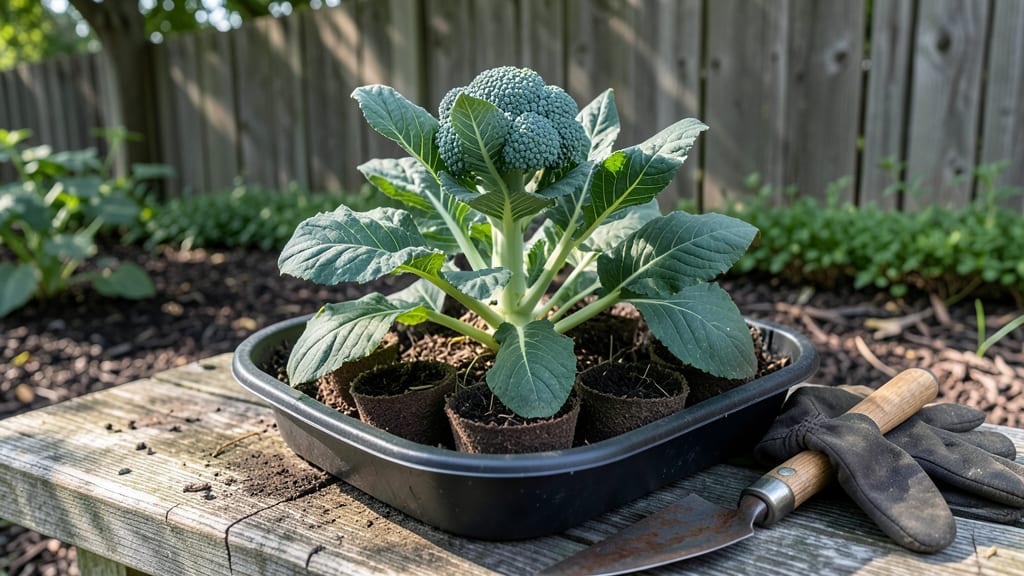
If you’ve ever planted broccoli 🥦 in North Florida only to watch it bolt before producing a single head, you’re not alone—and the solution is simpler than you think.
The key to a successful harvest lies in planting at the right time, when temperatures and daylight align perfectly with broccoli’s needs.
North Florida’s 8a-9a climate gives you two prime windows to grow broccoli: fall and spring, but timing matters more than most gardeners realize. Plant too early, and the heat will trigger bolting; too late, and frost cuts your season short.
I’ll show you the exact months to plant for maximum yield, plus how to stretch your growing season with smart strategies.
Whether you’re a seasoned gardener or just starting, avoiding bolting is all about working with your local microclimate. From Jacksonville’s coastal breezes to Tallahassee’s cooler nights, each area has its own rhythm.
Let’s break down the best planting schedule so you can enjoy fresh, homegrown broccoli all the way through December and into spring.
Ready to skip the guesswork? You’ll learn how to time your plantings, choose the right varieties, and even use shade cloth to beat the heat. Let’s get those broccoli crowns thriving!
North Florida broccoli planting calendar: exact months to avoid bolting
North Florida’s USDA Zones 8a-9a offer a narrow window for growing broccoli, but timing is everything. The key is planting when soil temperatures stay below 75°F—any hotter, and your broccoli will bolt (flower prematurely) before you get a harvest.
I’ve broken down the optimal planting months for Jacksonville, Gainesville, and Tallahassee to maximize your yield.
For fall planting, aim for late August through early October. This gives broccoli enough time to mature before North Florida’s first frost (typically around December 1).
If you miss this window, your second chance comes in February and March for a spring harvest, but spring heat can still be a challenge.
Here’s the critical detail: soil temperature matters more than air temperature. Use a soil thermometer—broccoli thrives when soil stays between 60°F and 70°F. In North Florida, this usually means planting in September or February, but microclimates (like shaded spots) can shift your timeline by weeks.
| Season | Planting Window | Soil Temp | Harvest Time | Notes |
|---|---|---|---|---|
| Fall | Late August - Early October | 60°F-70°F | November - December | Best for Jacksonville/Gainesville |
| Winter | February - Early March | 55°F-65°F | April - May | Risk of spring heat; use shade |
| Spring | Late March (high risk) | 65°F-75°F | May - June | Only for heat-tolerant varieties |
🌱 Pro Tip: Tallahassee’s cooler microclimate can extend fall planting to mid-October.
Direct sowing vs. transplanting makes a big difference in North Florida. For fall crops, I recommend transplanting seedlings (purchased from a nursery) in late August—they mature faster and avoid the stress of germinating in late summer heat.
If you’re direct sowing, start seeds indoors in July and transplant in August.
Spring planting is riskier in North Florida’s heat. If you attempt it, choose heat-tolerant varieties like ‘Waltham 29’ or ‘Calabrese’ and plant in late February or early March.
Use shade cloth (30-50%) to protect seedlings from afternoon sun, which can spike soil temperatures above the 75°F threshold and trigger bolting.
One mistake I see often? Planting broccoli too early in August. While it might seem like a good idea to get a head start, soil temperatures in North Florida can still hover around 80°F in early August, causing seedlings to bolt within weeks.
Wait until late August when soil temps drop below 75°F.
For succession planting, sow a second batch of seeds every 2-3 weeks after your initial planting. This ensures a steady harvest—your first crop might bolt by December, but a late-September planting could still yield in January before frost hits. Just monitor soil temps closely!
North Florida’s humidity also plays a role. Broccoli needs well-draining soil to prevent rot, especially in the rainy September-October period. Amend your soil with compost and consider raised beds if your yard has clay-heavy soil. A pH between 6.0 and 7.0 is ideal—test your soil before planting.
Finally, don’t forget about pest pressure. Cabbage worms and flea beetles love young broccoli plants. Use row covers or neem oil as a preventive measure, especially when seedlings are small. In North Florida, pests are most active in spring and fall, so stay vigilant during those planting windows.
How to extend your broccoli growing season in North Florida’s heat
North Florida’s spring heat is broccoli’s worst enemy, but with the right strategies, you can push your harvest window well into May—or even start a second fall crop. The key is delaying bolting by controlling temperature and stress.
I’ve grown broccoli successfully in Jacksonville’s humidity and Gainesville’s heat waves using these proven techniques, and I’ll walk you through each one step by step.
First, focus on shade cloth—a lightweight 30% shade cover can drop soil temperatures by 10-15°F, giving your plants the cool conditions they crave. Install it as soon as seedlings emerge in February and remove it by April to avoid stunting growth.
For extra protection, pair it with drip irrigation to keep foliage cool and reduce heat stress.
🌱 Top 5 Heat-Defying Strategies
- 1. Use 30% shade cloth to lower soil temps by 10-15°F
- 2. Plant heat-tolerant varieties like ‘Waltham 29’ or ‘Calabrese’
- 3. Succession plant every 2 weeks from Feb-March for staggered harvests
- 4. Mulch with straw to retain moisture and cool roots
- 5. Water deeply in mornings to prevent afternoon wilting
Choosing the right varieties makes all the difference. ‘Waltham 29’ is my go-to for North Florida—it tolerates 80°F+ temps better than most and produces tight heads even in heat.
Another great option is ‘Calabrese,’ which handles humidity well and has a longer harvest window. Avoid ‘De Cicco’ unless you’re planting in fall—it bolts quickly in spring heat.
For a second fall crop, start seeds indoors in July and transplant outdoors by mid-August. This gives your broccoli time to mature before frost hits in December. Use row covers after transplanting to shield young plants from late-summer pests and heat spikes.
I’ve had success with this method in Tallahassee, where nights stay cool enough for broccoli to thrive.
Don’t overlook soil prep—amend your beds with compost and aged manure before planting to improve moisture retention. Add a 2-inch layer of straw mulch to keep roots cool and reduce evaporation. In my garden, this simple step cut my watering needs by 30% during peak heat.
Finally, watch for heat stress signs like yellowing leaves or stunted growth. If you see these, move plants into partial shade immediately and increase watering frequency. With these adjustments, you can enjoy fresh broccoli from November through May—and maybe even a late-summer bonus crop!