
Flowers
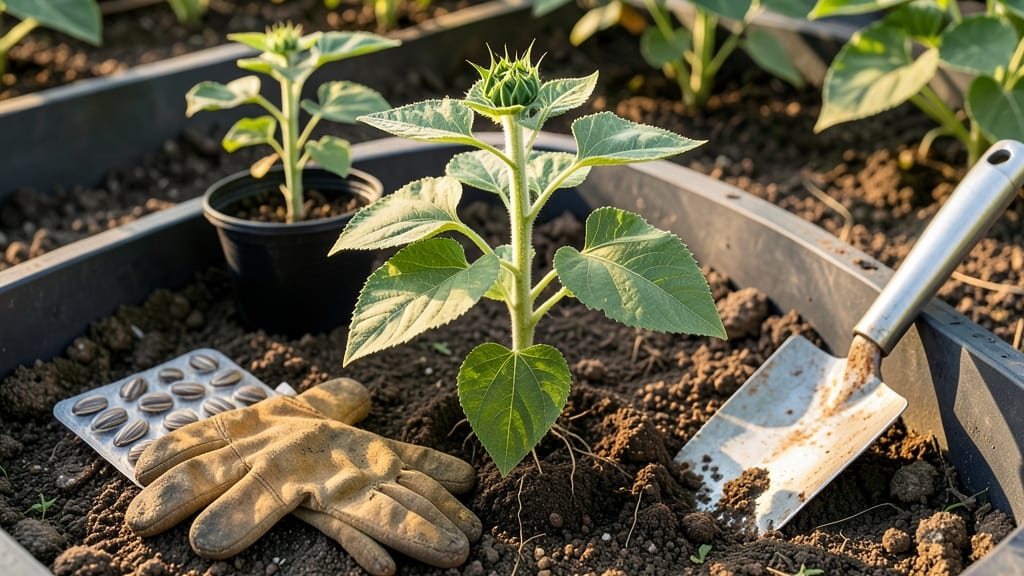
Timing your sunflower 🌻 planting just right in Florida makes all the difference between towering, vibrant blooms and weak, leggy stalks that never reach their potential. The best time to plant depends on your region's microclimate, but these three key months hold the secret to zero-bolt success.
In North Florida's cooler zones like 8a, aim for late March to early April when soil temperatures consistently stay above 50°F. South Florida gardeners have more flexibility, but August through September offers ideal conditions for fall-blooming sunflowers that thrive through winter.
Why does timing matter so much? Planting too early risks bolting from heat stress, while late plantings may struggle with shorter daylight hours. I'll show you exactly how to match your sunflower varieties to Florida's frost-free windows for maximum growth.
From soil prep to post-planting care, these strategies will help you grow sunflowers that reach their full height potential—whether you're in North Florida's 8a zone or the frost-free 11 of South Florida. Let's get those seeds in the ground at the perfect moment.
Florida’s 3 perfect sunflower planting months (and why timing matters)
Sunflowers in Florida need precise timing to avoid bolting (premature flowering) or heat stress that stunts growth. The three best months—March, August, and September—align with Florida’s frost-free windows and temperature sweet spots.
These months give your sunflowers the 60-90 days they need to mature before summer’s brutal heat or winter’s chill arrives.
Florida’s climate varies dramatically from North Florida’s occasional light frosts (USDA Zones 8a-9a) to South Florida’s frost-free year-round growing (Zones 10a-11). I’ll break down the optimal windows for each region, including how to adjust for microclimates like coastal areas or inland heat pockets.
Here’s the science: Sunflowers thrive when daytime temps stay between 65°F and 85°F. Plant too early (like February in North Florida), and you risk bolting from warm nights. Plant too late (like October in South Florida), and you’ll get leggy, weak stems from insufficient sunlight before winter.
North Florida gardeners should focus on March-April for spring plantings, while South Florida can extend to September-October for fall blooms. The key is avoiding summer’s peak heat (May-July), which stresses sunflowers and attracts pests like sunflower moths and aphids.
| Planting Window | Best For | Temperature Range | Regional Notes |
|---|---|---|---|
| March-April (Spring) | North FL (Zones 8a-9a) | 60°F-80°F (day) | Plant after last frost (Jan 15 avg). Use shade cloth for young plants if temps spike. |
| August-September (Fall) | All FL (Zones 8a-11) | 75°F-85°F (day) | Avoid planting after Sept 15 in North FL (risk of early frost). South FL can extend to October. |
| October-November (Late Fall) | South FL (Zones 10a-11) | 70°F-80°F (day) | Best for dwarf varieties. Harvest before Dec to avoid fungal risks from humidity. |
For North Florida, March is ideal because it gives sunflowers 90 days of growth before summer’s heat peaks. Start seeds indoors in late February if you’re eager, but transplant outdoors only after soil warms to 50°F.
In South Florida, August-September plantings avoid the worst summer heat and still yield blooms before winter’s damp chill sets in.
Pro tip: Use a soil thermometer to confirm readiness—sunflowers won’t germinate well in soil below 50°F. In coastal areas, like Miami or Tampa, you can push fall plantings into early October, but monitor weather forecasts for sudden cold fronts.
Inland areas, like Orlando or Gainesville, should stick to September 1st as a cutoff for fall plantings.
Bolting is the #1 enemy of Florida sunflowers, and it’s triggered by warm nights (above 60°F). If you plant in February, your sunflowers may bolt before they reach maturity.
Conversely, planting in July risks heat stress, where flowers form but fail to open. The 3-month windows I’ve highlighted balance these risks perfectly.
One more regional hack: In North Florida’s panhandle, where frosts linger longer, aim for April 1st as your spring planting deadline. In South Florida’s Keys, you can plant sunflowers year-round, but August-September still yields the best results for tall varieties like ‘Russian Giant’.
Remember, Florida’s humidity also plays a role. Fall plantings benefit from slightly lower humidity, reducing the risk of powdery mildew and leaf spot diseases. If you’re planting in August, choose heat-tolerant varieties and space plants 18-24 inches apart for better airflow.
Next up, I’ll cover how to match sunflower varieties to these planting windows—because not all sunflowers thrive in Florida’s heat! 🌻
Florida’s 3 perfect sunflower planting months (and why timing matters)
Florida’s climate is a sunflower grower’s dream—warm days, long growing seasons, and plenty of sunlight. But timing your planting wrong can turn your sunflowers into leggy, weak plants that bolt too quickly.
The key is planting during Florida’s frost-free windows, when temperatures are ideal for strong stems and vibrant blooms.
For most of Florida, the best months to plant sunflowers are March-April (spring) and August-September (fall). These windows avoid extreme heat, humidity spikes, and pests that can stress young plants. North Florida’s cooler winters mean earlier plantings, while South Florida’s frost-free zones allow for more flexibility.
🌱 Florida Sunflower Planting Guide
| Month | Region | Why It Works |
|---|---|---|
| March-April | North & Central FL | Soil warms to 60°F+, pests are low, and days lengthen for strong growth. |
| August-September | All FL (except far north) | Humidity drops, heat stress fades, and blooms appear before winter rains. |
| October-November | South FL only | Cooler temps prevent bolting, and plants mature before potential winter storms. |
If you plant in February, you risk bolting (premature flowering) from warm spells, while May-July plantings often struggle with heat stress and pests. South Florida gardeners can push boundaries with October-November plantings, but avoid late fall sowings—they may not mature before cooler weather sets in.
For North Florida (zones 8a-9a), aim for March-April to avoid late frosts. In Central Florida (zones 9b-10a), both spring and fall windows work, but August is critical—it’s the last chance to beat summer’s peak humidity. South Florida (zones 10b-11) can plant year-round, but September-October yields the most reliable blooms.
Pro tip: Check your local last frost date (usually January 15 in North FL, December 1 in South FL) and wait 2-3 weeks after to plant. This ensures soil is warm enough (50°F+) for germination without risking frost damage.
Timing isn’t just about months—it’s about temperature thresholds. Sunflowers need consistent warmth (daytime highs of 70-85°F) to avoid leggy growth.
Plant too early, and they’ll stretch toward the sun; too late, and they’ll bolt before flowering. August-September plantings often produce the tallest, sturdiest stems because they mature during Florida’s mild winter months.
Ready to plant? Grab your seeds and mark your calendar—these 3 months are your ticket to zero-bolt, showstopping sunflowers that thrive in Florida’s unique climate. 🌻