
Plants
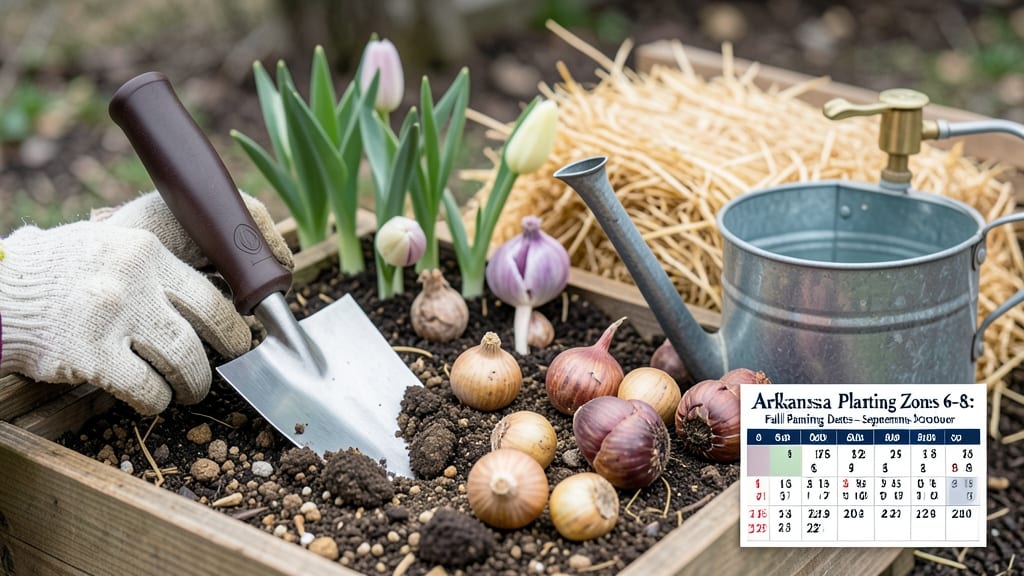
Knowing when to plant bulbs in Arkansas just right means the difference between a garden bursting with color and a wasted investment.
Plant too early, and frost will zap your blooms before they even sprout; too late, and you’ll miss the sweet spot for strong root growth before winter sets in.
For Arkansas gardeners in zones 7a-8b, fall planting—between October and November—is the gold standard. But spring planting (February-March) works for certain varieties, too. I’ll break down exactly when to dig in, which bulbs thrive in your climate, and how to prep your soil for zero-frost success.
You’ll also discover why some gardeners swear by late-season planting and how to spot the warning signs of improper timing. Whether you’re a first-timer or a seasoned green thumb, these insights will help you avoid common mistakes and get the most out of your bulbs (general) every year.
Let’s get started—your future spring blooms are counting on it!
Optimal fall planting dates for Arkansas bulbs (with Hardiness Zones 6b-7a)
Arkansas’ USDA Hardiness Zones 6b-7a create a unique window for planting bulbs, where fall planting is critical for winter bloomers like tulips and daffodils. The key? Planting 6-8 weeks before the first frost—typically mid-October to early November—when soil temps drop to 60°F (15°C) but haven’t frozen yet.
Northern Arkansas (Zones 6b-7a) has earlier frost dates (mid-November), while southern regions (Zone 7a) can extend planting until late November. Miss this window, and your bulbs won’t root deeply enough to survive winter’s chill.
For tulips, aim for October 15–November 1—they need cold stratification to bloom. Daffodils are more forgiving, tolerating planting until mid-November. Hyacinths and crocuses thrive when planted by October 31.
| Bulb Type | Ideal Planting Window | Depth (inches) | Spacing (inches) | Zone Notes |
|---|---|---|---|---|
| Tulips | Oct 15–Nov 1 | 6–8" | 4–6" | Needs cold; plant early in Zone 6b |
| Daffodils | Oct 1–Nov 15 | 6–8" | 4–6" | Deer-resistant; late planting OK |
| Hyacinths | Oct 1–Oct 31 | 6" | 4–5" | Fragrant; plant before soil cools |
| Crocuses | Sept 15–Nov 1 | 3–4" | 3" | Early bloomers; great for lawns |
| Alliums | Oct 1–Nov 10 | 6–8" | 6–8" | Drought-tolerant; full sun |
Arkansas’ clay-heavy soils can suffocate bulbs, so amend with compost or sand to improve drainage. Test soil pH—most bulbs prefer 6.0–7.0. In Zone 7a, you can push planting to early December for daffodils and alliums, but avoid planting after November 20 in colder zones.
Pro tip: Plant bulbs in well-draining beds or raised gardens to prevent rot. Mulch with 2–3 inches of straw after planting to insulate roots. In northern Arkansas, cover beds with frost cloth if temperatures drop below 20°F (-7°C).
Soil temperature is your best guide: Use a soil thermometer to confirm temps are below 60°F (15°C) but not frozen. If you’re unsure, err on the earlier side—bulbs planted too late may not establish roots before winter.
For tender bulbs like dahlias or canna lilies, wait until spring (after last frost) to plant—these never survive Arkansas winters. Focus fall planting on hardy varieties that thrive in Zone 6b-7a.
Remember: Well-rooted bulbs bloom 2–3 times larger than
Spring planting bulbs in Arkansas: late bloomers and cold-hardy varieties
Spring planting opens doors for Arkansas gardeners to grow bulbs that thrive in warmer months. While fall planting is ideal for most, some tropical and heat-loving bulbs like canna lilies or rain lilies never survive winter in Arkansas’ USDA Zones 6b-7a.
These varieties need early spring planting—typically February to March—after the last frost date (March 15 in most regions).
For spring planting, focus on bulbs like caladiums, rain lilies, and canna lilies, which bloom in summer or early fall. These bulbs require well-draining soil and full sun to partial shade, making them perfect for Arkansas’ humid climate.
Avoid planting tulips or daffodils in spring—they’ll rot before blooming!
Key preparation steps for spring planting include:
- Amending clay-heavy soils with compost to improve drainage
- Choosing a sunny, sheltered spot to protect from late frosts
- Planting bulbs shallowly (2-3 inches deep) since they won’t establish deep roots before summer heat
Spring Planting Pros & Cons
✅ Pros
- Summer blooms when spring-planted bulbs shine
- Perfect for heat-tolerant varieties like canna lilies
- No risk of fall frost damage to emerging shoots
❌ Cons
- Limited to fewer bulb varieties (no hardy perennials)
- Requires soil prep before last frost for success
- Bulbs may struggle in Arkansas’ humidity without care
When planting in spring, use a light fertilizer (5-10-10) at shooting time to encourage strong growth. Water deeply but infrequently—Arkansas’ summer heat demands 1 inch per week, but avoid soggy soil. Mulch with straw or pine needles to retain moisture and regulate soil temperature.
For late-spring planting (April), stick to fast-growing varieties like gladiolus or dahlia tubers. These tolerate warmer soil and still produce summer blooms. However, avoid planting any bulbs after May—they won’t establish roots before winter.
Pro tip: Mark your spring-planted bulbs with biodegradable flags—Arkansas’ summer storms can bury them quickly! With the right timing and care, your spring-planted bulbs will outshine fall varieties during the dog days of summer.