
Planting
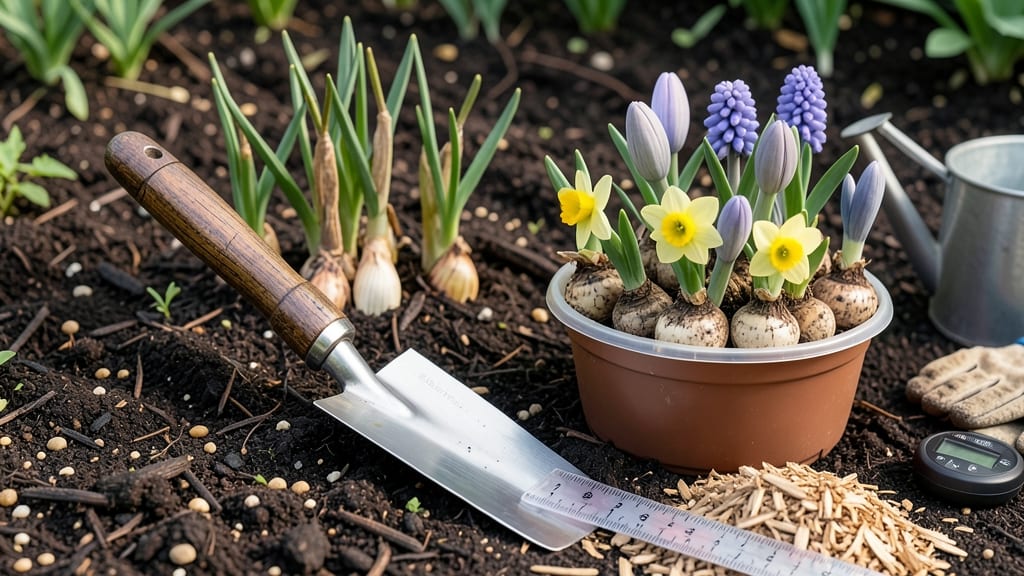
When to plant bulbs in the garden is everything—get it wrong, and you might miss the spectacular blooms you’ve been dreaming of. But with the right schedule, you can transform your garden into a vibrant spring show. In Zone 6a, fall and spring are your two best windows, but the exact timing depends on frost dates and bulb types.
Most gardeners know spring is ideal for planting bulbs like tulips and daffodils, but did you know fall planting is even more critical? Planting 6-8 weeks before the first frost gives roots time to establish before winter.
This means late September to early October in Zone 6a—just enough time for bulbs to settle in before the ground freezes.
Spring planting works too, especially for tender bulbs like dahlias, but it’s a shorter window. Aim for 4-6 weeks before your last frost date (around mid-April in Zone 6a) to ensure healthy growth.
The key is preparing the soil right—loose, well-draining, and rich in organic matter—to give those bulbs the perfect start.
Whether you’re a seasoned gardener or just starting, getting the timing right makes all the difference. Let’s break down the best months for your zone and how to avoid common mistakes that can ruin your blooms.
Best months to plant garden bulbs by USDA zone
Planting bulbs at the right time is the secret to vibrant spring and summer blooms. Most gardeners focus on fall planting for classic varieties like tulips and daffodils, but timing varies dramatically by USDA zone.
In colder zones (3-5), you’ll plant bulbs 6-8 weeks before the first frost, while warmer zones (8-10) may plant in late fall or even winter. Let’s break down the perfect planting windows for your region.
For USDA Zones 3-5, the ideal window is September to early November. This gives bulbs time to establish roots before winter dormancy. In Zones 6-7, aim for October to early December, while Zones 8-10 can plant as late as November to January.
Spring planting is also an option for zones with mild winters, typically 4-6 weeks before your last frost date.
Here’s a quick reference for popular bulbs:
- Tulips: Best planted in fall (Zones 3-7), spring in Zones 8-10
- Daffodils: Hardy and flexible—plant in fall (Zones 3-10)
- Hyacinths: Prefer fall planting (Zones 4-9), avoid spring
- Crocus: Early fall planters for Zones 3-8
| USDA Zone | Fall Planting Window | Spring Planting Window | Best Bulbs for Zone |
|---|---|---|---|
| 3-4 | September 15 - October 15 | April 1 - May 1 | Tulips, Daffodils, Hyacinths, Crocus |
| 5-6 | October 1 - November 1 | April 15 - May 15 | Tulips, Daffodils, Alliums, Snowdrops |
| 7-8 | November 1 - December 15 | May 1 - June 1 | Daffodils, Hyacinths, Lilies, Crocus |
| 9-10 | December 1 - January 31 | February 1 - March 15 | Daffodils, Rain Lilies, Canna Lilies |
If you’re in a warmer zone (8-10), don’t wait until winter—plant drought-tolerant bulbs like rain lilies as early as December to avoid summer heat stress. For Zones 3-5, prioritize cold-hardy bulbs like snowdrops and crocus, which can handle early frost. Always check your last frost date and plant 6-8 weeks before for optimal root growth.
Pro tip: Use a bulb planter or trowel to dig holes 2-3 times deeper than the bulb’s height. This ensures proper root development and prevents rot. For example, a 6-inch-tall tulip bulb needs a 12-inch-deep hole. Place bulbs with the pointy end up—this is non-negotiable for proper sprouting.
In spring-planted zones, focus on tender bulbs like dahlias or canna lilies, which thrive in warm climates. These bulbs need consistent warmth to sprout, so wait until soil temperatures reach 60°F (15°C) before planting. Monitor your local frost-free date and adjust accordingly—planting too early can stunt growth.
Don’t forget to amend your soil before planting. Mix in compost or well-rotted manure to improve drainage and fertility. Bulbs hate soggy soil, so if your garden retains water, consider planting in raised beds or on slopes.
A 1-inch layer of mulch after planting helps regulate soil temperature and retain moisture.
For container gardening, use pots with drainage holes and a fast-draining mix of potting soil and perlite. Plant bulbs close together to mimic their natural clumping habit.
In Zones 9-10, you can even plant bulbs in winter—just keep them in a shady spot until spring warmth signals growth.
Timing isn’t the only factor—bulb quality matters too. Choose firm, plump bulbs with no signs of mold or soft spots. Store them in a cool, dry place until planting day. If you’re unsure about your zone’s frost dates, check with your local cooperative extension office for precise recommendations.
With this zone-specific guide, you’ll never miss a planting window again. Whether you’re a beginner gardener or a seasoned pro, these timing tips will help you grow show-stopping blooms year after year. Happy planting! 🌷
How to choose the right bulbs for your climate and season
Selecting the perfect bulbs for your garden isn’t just about picking pretty flowers—it’s about matching their needs to your USDA zone and local climate. Cold-hardy varieties like daffodils and tulips thrive in chilly winters, while tender bulbs such as dahlias or cannas need warmer soils.
Your last frost date and first frost date are your best friends here.
For example, in Zone 6a (like much of the Midwest), I plant fall-blooming bulbs like crocus in September or October—6-8 weeks before frost—to ensure they root before winter. Meanwhile, spring-blooming tulips go in late fall or early spring, depending on whether I want blooms next year or this year.
🌷
| Bulb Type | Best USDA Zones | Planting Season | Climate Notes |
|---|---|---|---|
| Daffodils | 3-10 | Fall (Oct-Nov) | Cold-hardy; blooms early spring |
| Tulips | 3-8 | Fall (Oct-Nov) or Spring (Mar-Apr) | Needs winter chill; avoid soggy soil |
| Dahlias | 7-11 | Spring (after last frost) | Tender; plant after soil warms to 60°F |
| Hyacinths | 4-9 | Fall (Sep-Oct) | Fragrant; prefers well-drained soil |
| Crocus | 3-10 | Fall (Sep-Oct) | Early bloomer; tolerates light frost |
If you’re in a warmer zone (9-10), like Southern California or Florida, skip the fall planting entirely. Instead, focus on spring-planted bulbs like gladiolus or rain lilies, which thrive in heat and bloom reliably.
I’ve even seen gardeners in Zone 10 plant tulips in December for spring color—just a few weeks before their mild winters kick in.
Pro tip: Check the bloom time of each bulb. Early bloomers like crocus or snowdrops need fall planting, while late-season dahlias or lilies can wait until spring. Mixing bloom times creates a non-stop garden show from late winter to fall.
Don’t forget to consider your garden’s sunlight exposure. Shady spots? Opt for woodland bulbs like trilliums or bleeding hearts. Full sun lovers? Tulips and daffodils will shine brightest in open areas. Matching bulbs to light conditions ensures healthier growth and longer-lasting blooms.
Finally, always buy high-quality bulbs from reputable nurseries. Larger bulbs = bigger blooms, and certified disease-free stock reduces the risk of rot or pests. With the right choices, your garden will burst with color season after season—no guesswork required! 🌿