
Plants
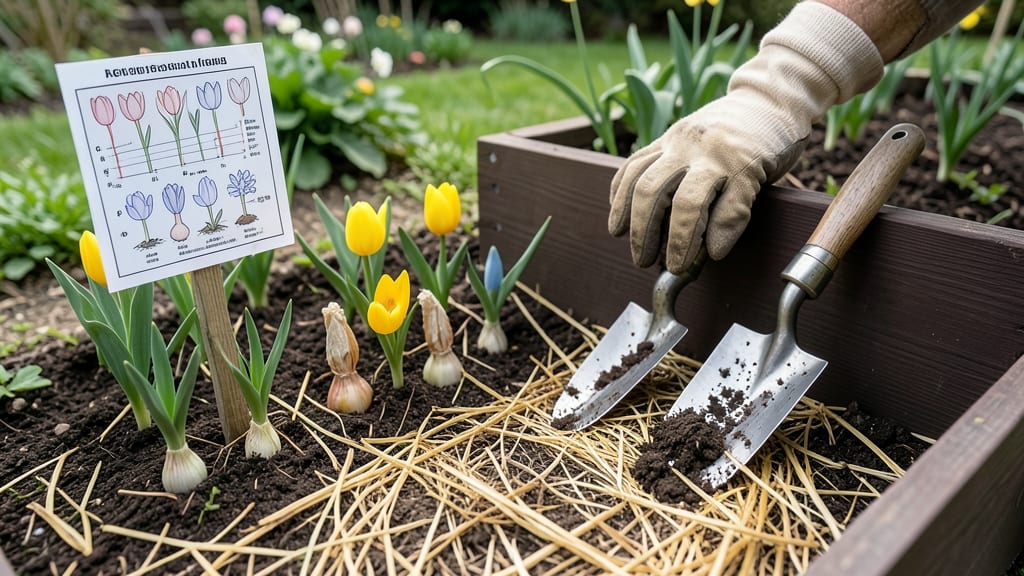
Timing is everything when it comes to planting Spring-Blooming Bulbs 🌷 in Minnesota—get it wrong, and you might end up with frost-damaged bulbs or weak blooms next spring.
The ideal window for planting these beauties is short but critical, and missing it can mean the difference between a vibrant garden and a disappointing one.
If you've ever wondered why some gardeners swear by fall planting while others try spring, the answer lies in Minnesota's 3-5 USDA hardiness zones and those tricky frost dates.
Fall planting gives bulbs time to establish roots before winter, while spring planting is riskier but can work for certain varieties if done carefully.
In this guide, I’ll break down the exact months for both fall and spring planting—plus which bulbs like tulips and daffodils thrive best in each season. You’ll learn how to read your local frost dates, prep your soil, and even troubleshoot common mistakes that kill bulbs before they bloom.
Whether you're a first-time gardener or a seasoned pro, mastering the timing will ensure your Spring-Blooming Bulbs put on a show year after year. Let’s get those bulbs in the ground the right way!
Optimal fall planting dates for Minnesota bulbs (by hardiness Zone)
Minnesota’s hardiness zones 3-5 demand precision when planting bulbs—timing just 6-8 weeks before frost ensures roots establish before winter. Miss this window, and your tulips, daffodils, and alliums may rot or fail to bloom.
Let’s break down the exact dates for each zone and how to adjust for your local microclimate.
Most Minnesota gardeners fall into Zone 4, where the first hard frost typically hits between October 15-25. Count backward 6-8 weeks to land on your ideal planting window: September 15-October 5.
For Zone 3 (northern MN), aim for September 1-15—earlier frosts mean less time for root growth.
Zone 5 (southern MN) has a longer window: September 20-October 15. Use the USDA Plant Hardiness Map to pinpoint your zone, then check your local frost dates via the National Weather Service for fine-tuning.
Soil temperature is critical: bulbs need 40-50°F soil to sprout roots. Test with a soil thermometer—if temps drop below 50°F, delay planting until conditions improve.
Pro tip: Plant daffodils and alliums first—they tolerate cooler soils better than tulips or hyacinths. Save the latter for warmer soil windows in early October.
Even within zones, microclimates matter. A south-facing slope warms faster than a shady valley. Plant early in Zone 4 if your yard stays cold longer, or delay until late October in sheltered microclimates.
Use mulch (3–4 inches of straw or leaves) after planting to insulate bulbs and protect against early frosts. This buys 2–3 extra weeks for root growth in marginal zones.
Mark your calendar for October 15—this is the absolute deadline for most Minnesota gardeners. After this, bulbs lack time to root before winter, leading to smaller blooms or no flowers.
For container gardening, plant bulbs in pots by September 1 (Zone 3) or September 15 (Zone 4-5). Move containers to a garage or unheated shed once temps drop below 32°F to prevent freezing.
Remember: Fall-planted bulbs reward patience with vibrant spring blooms. Skip the rush—take time to plant at the optimal window for your zone, and your garden will thank you next May. 🌷
Spring planting risks vs. rewards: when it’s Safe to Delay
Spring planting might seem like a lifesaver if you missed the fall window, but in Minnesota’s USDA Zones 3-5, it’s a risky gamble. Bulbs planted in spring often rot before blooming because the soil stays cold and wet for too long.
However, some hardy varieties can succeed with careful timing.
Your last frost date (typically mid-May) is your deadline. Planting too early means bulbs may sprout and freeze, while waiting too long risks weak roots before winter. The sweet spot? Aim for late March to early April—when soil temps hit 40-50°F and stay stable.
Here’s the catch: spring-planted bulbs often bloom smaller and later than fall-planted ones. They also struggle to establish strong roots before winter, making them more vulnerable to heaving (bulbs pushing out of frozen soil).
⚠️ Spring Planting Warning
❌ Avoid spring planting for: Tulips, daffodils, hyacinths, and most spring-blooming bulbs—they need fall’s 6-8 week root-growth window.
✅ Consider spring planting for: Crocuses and snowdrops (they tolerate cooler soils) or summer-blooming bulbs like dahlias (plant after last frost).
If you’re set on spring planting, test your soil first. Stick a thermometer 6 inches deep—if it’s below 40°F, wait. Amend heavy clay with compost or sand to improve drainage, and plant deeper than usual (8-10 inches) for extra insulation.
Pro tip: Mulch heavily after planting with 4-6 inches of straw to protect bulbs from temperature swings. Monitor for mold or rot—spring-planted bulbs are prone to these issues in Minnesota’s damp springs.
For best results, stick to fall planting and use spring as a backup only for late-season bloomers. Your garden (and your tulips!) will thank you next spring. 🌷