
Plants
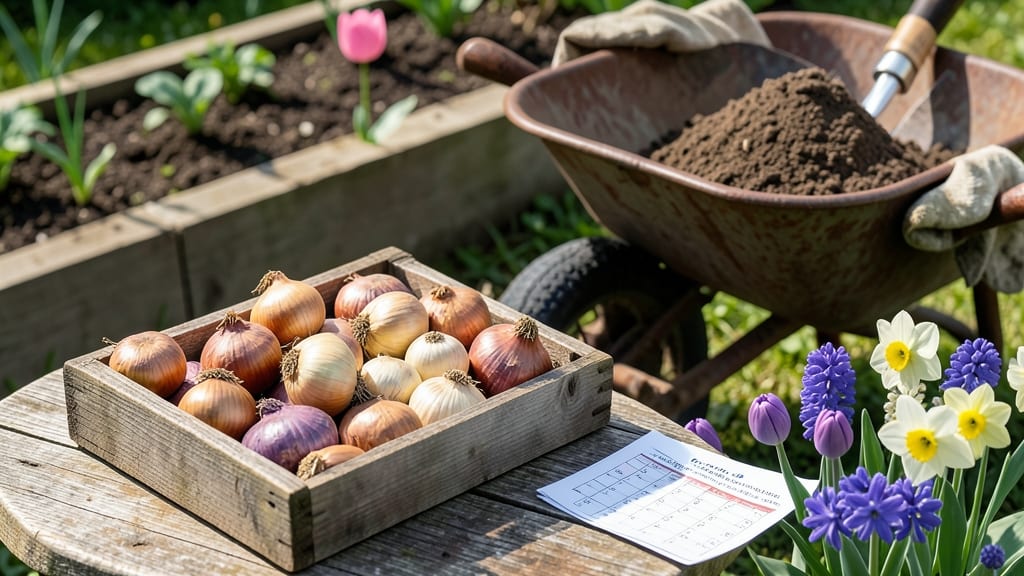
Planting bulbs at the wrong time in Zone 6 can mean the difference between a stunning spring garden and wasted effort.
The key to success lies in understanding your local frost dates and soil conditions—especially since Zone 6 (General) spans from 6a-6b, where timing varies slightly between northern and southern areas.
Most gardeners assume "fall planting" means anytime after Labor Day, but that’s where mistakes happen. In reality, you should plant 6-8 weeks before the ground freezes—typically between September and November—to give your 🌱 bulbs (General) time to establish roots before winter sets in.
Why does this matter? Because bulbs like tulips and daffodils need cold stratification to bloom beautifully in spring. Plant too early, and your soil may still be too soft; too late, and frost can damage emerging roots.
I’ll show you exactly how to nail the timing—plus how to adjust if you miss the window.
Ready to transform your garden next spring? Let’s dive into the Zone 6-specific secrets that’ll make your bulbs thrive—no guesswork required.

Zone 6 bulb planting calendar: exact fall dates by bulb type
Zone 6 gardeners face a 6-8 week fall window to plant bulbs for spring blooms—miss it, and you risk frost damage or weak growth. The key? Soil temperature (aim for 60°F or below) and frost dates (typically mid-October in most of Zone 6).
Plant too early, and bulbs may sprout before winter; too late, and they won’t root before freezing.
Most spring-flowering bulbs (tulips, daffodils, hyacinths) thrive when planted in September or early October. Summer-blooming bulbs (like dahlias) get a second chance in early spring, but fall planting is riskier due to frost. Let’s break down the exact timing for your favorite bulbs.
🌱
| Bulb Type | Zone 6 Fall Planting Window | Soil Temp Goal | Depth (inches) | Spacing (inches) |
|---|---|---|---|---|
| Tulips | Mid-September to early October | 50–60°F | 6–8" | 4–6" |
| Daffodils | Late September to mid-November | 40–50°F | 6" | 6" |
| Hyacinths | October (after soil cools) | 50–55°F | 6" | 4–5" |
| Crocuses | September to October | 50–60°F | 3–4" | 3–4" |
| Alliums | October (hardy to frost) | 45–55°F | 6–8" | 6–12" |
| Snowdrops | September to October | 50–60°F | 3–4" | 3–4" |
Pro tip: Use a soil thermometer to confirm temperatures. If your soil stays above 60°F past mid-October, wait—warm soil can trick bulbs into sprouting too early. For Zone 6a (colder sub-zone), aim for early September planting; Zone 6b can stretch to mid-November.
🌿
Bulbs like tulips and hyacinths need 6–8 weeks of chill to bloom well. Plant them too late, and they’ll either fail to flower or produce weak stems. Daffodils are more forgiving—they handle late fall or even early spring planting, but their blooms may be smaller if roots don’t establish properly.
For summer-blooming bulbs (e.g., dahlias), fall planting is riskier in Zone 6. Instead, wait until late March or April when soil warms to 60°F. These bulbs need no chill period and thrive in warmer soil.
🪴
Don’t overlook planting depth—it’s critical for frost protection. Deeper planting (e.g., 8 inches for tulips) shields bulbs from shallow freezes, while shallower depths (e.g., 3 inches for crocuses) work for hardy varieties.
Use a bulb planter or trowel to dig holes 3x the bulb’s height for consistent depth.
💧
After planting, water deeply to settle soil around bulbs, but avoid overwatering—soggy soil can rot bulbs before winter. A 1-inch layer of mulch (straw or shredded leaves) insulates roots and retains moisture. Remove mulch in early spring to prevent rot as temperatures rise.
🌡️
Zone 6 bulb planting calendar: exact fall dates by bulb type
Timing is everything when planting 🌱 bulbs in Zone 6. The 6-8 week rule before ground freeze is your golden window—typically mid-September to early November—but specific bulbs thrive at slightly different times.
For example, tulips and hyacinths need cooler soil, so aim for October planting, while hardy daffodils can handle slightly later dates.
Your local first frost date (usually mid-October in Zone 6) is your anchor. Count backward: 8 weeks before gives you the ideal start date. Miss this window? Don’t panic—we’ll cover adjustments later. First, let’s break down the perfect planting schedule for your top bulbs.
🌱 Zone 6 Bulb Planting Timeline
| Bulb Type | Ideal Planting Month | Soil Temp Goal (°F) | Depth (inches) |
|---|---|---|---|
| Tulips | October | 50-60°F | 6-8" |
| Daffodils | September-November | 40-50°F | 6-8" |
| Hyacinths | October | 50-60°F | 6" |
| Crocuses | September-October | 40-50°F | 3-4" |
| Alliums | September-October | 50-60°F | 6-8" |
⚠️ Pro Tip: Use a soil thermometer to verify temps—cool but workable soil is key!
Notice how daffodils have the widest window? That’s because they’re hardier in cold and can handle slightly later planting. Meanwhile, tulips and hyacinths need that October sweet spot to avoid frost damage.
Pro tip: If your soil is still too warm in early fall, wait a week or two—root growth stalls above 60°F.
For Zone 6a (colder areas), push planting toward early October to avoid early frosts. In Zone 6b (warmer), you might extend until mid-November—but stop when soil temps drop below 40°F. Always check your local Almanac frost dates for precision.
What if you’re still unsure? Plant a test bulb (like a crocus) in early September to gauge your soil’s readiness. If it sprouts by October, your timing is perfect. If not, adjust for next year!
Ready to troubleshoot? In the next section, I’ll reveal the 5 red flags that mean you’re planting too early or late—and how to fix it.