
Plants
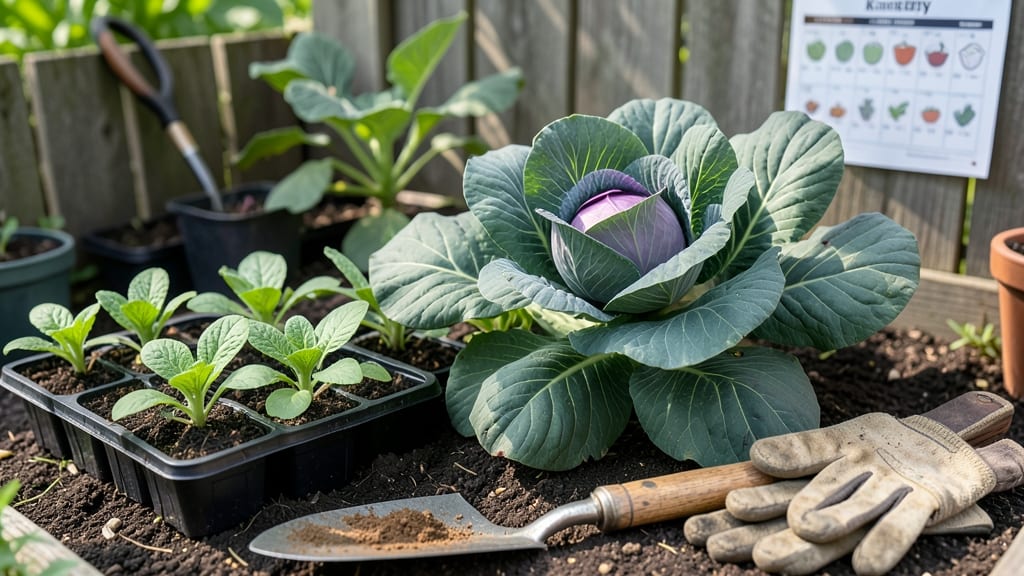
Timing your 🥬 cabbage planting in Kentucky right is the difference between a bountiful harvest and a sad, wilted disappointment. Kentucky’s 6a climate means you’ve got a narrow window—just 4-6 weeks before your last frost—to get seeds in the ground for that perfect spring crop.
If you plant too early, those tender seedlings will bolt in the cold. Too late, and you’ll miss the sweet spot for firm, flavorful heads before summer heat sets in.
The secret? Start with March-April for spring cabbage, but don’t overlook fall planting in July-August for a second harvest before frost.
I’ll walk you through Kentucky’s frost-free zones, soil prep tricks, and how to pick the right varieties for your microclimate.
Whether you’re a first-time gardener or a seasoned green thumb, these tips will help you grow cabbage that’s crisp, sweet, and ready to harvest—just in time for your favorite recipes.
Ready to skip the guesswork? Let’s dive into the exact planting schedule, soil secrets, and pro tips to make your 🥬 cabbage thrive—no matter where you are in the Bluegrass State.
Kentucky’s frost-free planting windows for cabbage by variety type
Kentucky’s USDA Zone 6a climate creates a unique challenge for cabbage growers—cool springs and hot, humid summers demand precise timing. The average last frost date across most of Kentucky falls around April 15, but microclimates in cities like Lexington or Louisville can vary by 1-2 weeks.
To avoid bolted or bitter-tasting cabbage, I’ve broken down the ideal planting windows for early, mid-season, and late varieties, plus heat-tolerant options that thrive in Kentucky’s summers.
For spring cabbage, the sweet spot is 4-6 weeks before your last frost date. That means starting seeds indoors by late February to early March or transplanting young plants by mid-March.
If you’re sowing directly, wait until mid-April when soil temperatures hit 40°F+. Early varieties like ‘Golden Acre’ mature quickly (60-70 days), giving you harvests by early summer before the heat sets in.
Summer cabbage is trickier in Kentucky’s heat, but heat-tolerant varieties like ‘Crimson Globe’ or ‘Badger Shipper’ can handle temperatures up to 85°F. Plant these late July to early August for fall harvests.
The key is succession planting—stagger your plantings every 2-3 weeks to ensure a continuous supply. Without this, you’ll risk bolting (flowering) from the summer heat.
Fall cabbage thrives in Kentucky’s cooler autumns. Aim for late July to early August plantings to harvest before the first frost (October 15). Winter-hardy varieties like ‘January King’ can even survive light frosts, extending your harvest into December.
Just be prepared to use row covers if temperatures dip below 20°F.
| Variety Type | Planting Window | Harvest Window | Notes |
|---|---|---|---|
| Early Spring | Late Feb - Mid-Mar (indoors) / Mid-Mar - Early Apr (outdoors) | June - Early July | ‘Golden Acre’, ‘Early Jersey Wakefield’ – Quick maturing, avoid summer heat |
| Mid-Season | Mid-Mar - Early Apr (outdoors) | July - Early Aug | ‘Crimson Globe’, ‘Danish Ballhead’ – Balanced for Kentucky’s spring |
| Heat-Tolerant Summer | Late July - Early Aug | Oct - Early Nov | ‘Badger Shipper’, ‘Copenhagen Market’ – Handles 85°F+ temps |
| Fall/Winter | Early Aug - Late Aug | Oct - Dec | ‘January King’, ‘Winterbor’ – Cold-hardy, use row covers |
Kentucky’s microclimates can shift planting windows by weeks. For example, elevated areas like the Cumberland Plateau may have 2-3 weeks earlier frost dates than lowland regions near the Ohio River.
To adjust, use a soil thermometer—cabbage seeds need 40°F+ soil to germinate. If your area runs cooler, opt for cold-hardy varieties like ‘Savoy King’.
One common mistake I see in Kentucky gardens? Planting too late for spring cabbage, only to watch it bolt in the heat. If you miss the April 15 window, switch to heat-tolerant varieties or delay planting until late July for a fall crop.
Always check your local Cooperative Extension Service for frost date updates—Kentucky’s climate shifts yearly.
For container gardening in Kentucky, start seeds indoors by late March and transplant into 12-inch pots by mid-April. Use lightweight potting mix to prevent waterlogging, and place containers in full sun. Dwarf varieties like ‘Patio’ or ‘Miniature’ work well here, maturing in 60-70 days.
Pro tip: Mark your calendar for Kentucky’s average frost dates—April 15 (last frost) and October 15 (first frost). Use these as anchors, but always monitor weekly forecasts.
A late frost in May can devastate young plants, while an early frost in September might save your fall cabbage from bolting.
Finally, don’t overlook succession planting.
Soil preparation and pre-planting tips to maximize Kentucky cabbage yields
Kentucky’s clay-heavy soils and humid climate demand extra prep work to grow 🥬 cabbage that thrives. Before you even think about planting, focus on three critical factors: pH balance, organic matter, and drainage.
Cabbage hates soggy roots, so if your soil feels compacted when squeezed, amend it with compost or aged manure to improve aeration.
Test your soil’s pH level—aim for 6.5–6.8, the sweet spot for cabbage. If your soil tests lower, sprinkle lime 2–3 months before planting. For acidic soils, mix in sulfur or peat moss.
Pro tip: Use a soil test kit from your local Cooperative Extension Service for precise results.
Fresh manure burns 🥬 cabbage seedlings. Always use composted or aged manure (6+ months old) to prevent root damage or disease.
If your soil drains poorly, raise beds or mound soil to create elevated planting areas.
Clear the planting area of weeds and debris, then loosen the top 12 inches of soil with a garden fork. Work in 2–3 inches of compost or well-rotted leaves to feed your plants.
For heavy clay soils, mix in sand or perlite to improve drainage—this is non-negotiable in Kentucky’s wet springs.
Cabbage thrives with companion plants that deter pests. Pair it with dill, onions, or thyme to repel cabbage worms and flea beetles. Avoid planting near tomatoes or strawberries, which compete for nutrients and attract shared pests.
A mulch layer of straw or grass clippings keeps moisture in and weeds out.
One week before planting, water the soil deeply to encourage root growth. If you’re transplanting seedlings, harden them off by exposing them to outdoor conditions for 5–7 days.
This toughens their stems so they don’t wilt when moved to the garden. For direct sowing, plant seeds ¼ inch deep and keep the soil moist until germination.
Finally, mark your rows with stakes or flags to avoid trampling seedlings. Kentucky’s unpredictable weather means you’ll want to monitor soil moisture closely—consistent watering is your best defense against bolting or bitter flavors. With the right prep, your 🥬 cabbage will grow into tight, flavorful heads ready for harvest.