
Trees
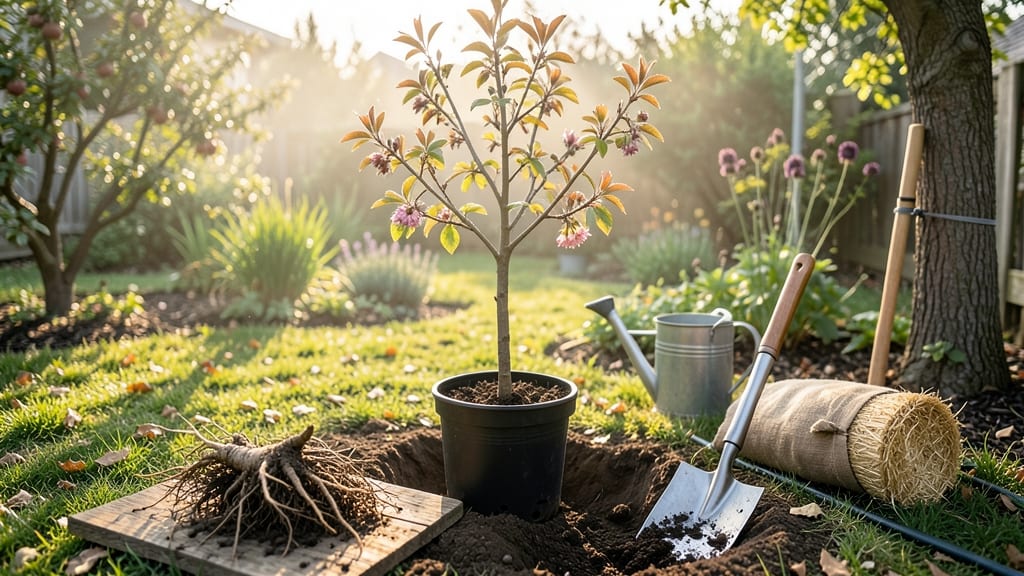
Planting fruit trees in Kentucky at the wrong time could mean the difference between a thriving orchard 🍎 and a sad, frost-nipped disappointment. With USDA zones 6a-7b bringing unpredictable swings from icy winters to scorching summers, timing is everything—and getting it wrong risks weak roots, delayed fruiting, or even tree death.
Most gardeners assume spring is the only window, but Kentucky’s climate actually rewards those who plant in late winter (February-April), when soil is workable but still holds moisture. This gives young roots time to establish before summer heat sets in.
The key? Avoid planting after mid-April, when late frosts can still strike—especially in Northern Kentucky’s colder microclimates.
Whether you’re dreaming of juicy peaches or crisp apples, knowing your chill hour requirements (Kentucky ranges from 500-900 hours) and local frost dates is non-negotiable.
I’ll break down exactly when to dig, how to prep your soil, and why some varieties (like pears) need extra care in Kentucky’s clay-heavy dirt.
Ready to turn your backyard into a fruit-bearing paradise? Let’s dive into the perfect planting schedule—so you can enjoy homegrown harvests for years to come.
Kentucky’s chill hour zones: how they determine best planting months
Kentucky’s chill hour requirements (500–900 hours below 45°F) are the secret sauce for successful fruit tree planting.
These hours trigger dormancy in trees like apples, peaches, and cherries—critical for blooming and fruiting. Zone 6a (Northern KY) needs 700–900 chill hours, while Zone 7b (Southern KY) thrives with 500–700 hours.
Planting at the wrong time disrupts this cycle, leading to poor fruit set or no harvest at all.
Most apple varieties (e.g., Honeycrisp, Fuji) demand 700+ chill hours, making them ideal for Northern Kentucky. Meanwhile, peaches (like Redhaven) need 500–600 hours, perfect for Lexington and Louisville’s milder winters. Matching your tree to your zone avoids wasted money and effort.
Here’s the golden rule: Plant in late winter (February–March) when soil is workable but still cold. This timing aligns with dormancy periods, giving roots time to establish before bud break.
For bare-root trees, dig in by mid-April—but never after last frost dates, or you risk root shock from heat stress.
Kentucky’s humid summers also play a role. Trees planted too late (May+) struggle with heat stress and fungal diseases like powdery mildew. The window closes by mid-April in most regions, so mark your calendar and act fast.
| Variety | Chill Hours Needed | Best Planting Month | Notes |
|---|---|---|---|
| Apple (Honeycrisp) | 700–900 | February–March | Needs cold winters; avoid Southern KY |
| Peach (Redhaven) | 500–600 | March–April | Heat-sensitive; plant early |
| Cherry (Stella) | 600–800 | February–March | Susceptible to late frosts |
| Pear (Bartlett) | 500–700 | March–April | Tolerates clay soil better than apples |
| Plum (Santa Rosa) | 400–600 | March–April | Low chill; great for Southern KY |
If you’re in Zone 6a (e.g., Paducah), prioritize high-chill varieties like apples and cherries. In Zone 7b (e.g., Bowling Green), peaches and plums thrive with fewer chill hours. Pro tip: Check the USDA’s Kentucky chill hour map to confirm your exact zone before buying trees.
Soil temperature matters too. Plant when soil is above 40°F but below 60°F. Use a soil thermometer to avoid planting in freezing or overheated ground. Kentucky’s clay-heavy soil drains poorly when cold, so amend with compost or sand to improve drainage.
Timing isn’t just about months—it’s about tree maturity. Bare-root trees should go in dormant season (winter), while container-grown trees can handle spring planting (April). For best results, plant before buds swell—usually by late March in most of Kentucky.
Remember: Patience is key. Fruit trees take 3–5 years to bear fruit, but planting at the right time ensures they’ll reward you with decades of harvests. Next, we’ll tackle frost-free deadlines for Northern vs. Southern Kentucky—so you never miss another planting window.
Frost-free deadlines by region: Northern KY vs. Southern KY planting schedules
Kentucky’s last frost dates can vary by 1-2 weeks between Northern and Southern regions, making regional planning essential. In Northern Kentucky (e.g., Louisville, Bowling Green), the average last frost arrives around April 1-15, while Southern Kentucky (e.g., Lexington, Paducah) typically sees frost-free conditions by March 20-April 5.
This shift means your planting window could be 3 weeks earlier in the south.
For stone fruits like peaches and plums, which are frost-sensitive, Southern Kentucky gardeners can plant as early as late February, while Northern KY residents should wait until mid-March. Pome fruits (apples, pears) are hardier and can handle slightly later planting, but aim to get them in the ground by April 15 everywhere to avoid late frost risks.
First frost dates also differ: Northern KY often sees frost by October 20-November 5, while Southern KY holds off until November 5-15. This affects fall planting of bare-root trees—only Southern KY gardeners can safely plant in November; Northern KY should finish by October 15.
| Region | Last Frost | First Frost | Ideal Planting Window | Frost Risk |
|---|---|---|---|---|
| Northern KY (Louisville, Bowling Green) | April 1-15 | October 20-November 5 | March 15-April 15 | High (late frosts common) |
| Southern KY (Lexington, Paducah) | March 20-April 5 | November 5-15 | February 20-April 10 | Moderate (earlier frost-free) |
Use these deadlines as your planting anchor points, but also check your specific microclimate. For example, higher elevations (like parts of Eastern KY) can have 2-3 weeks later frost dates. Always verify with your local Cooperative Extension Service for hyper-local advice.
Pro tip: If you’re planting bare-root trees, Northern KY gardeners should wait until soil temps hit 45°F (usually mid-April), while Southern KY can start as early as late February when soil is workable. Container-grown trees offer more flexibility but still need to be planted before buds swell.
Remember, peach trees need 500-700 chill hours, while apples and pears thrive with 700-900 hours. Match your variety to your region’s chill hours to ensure proper dormancy and fruiting. Check the USDA Chill Hour Map for your exact location.