
Plants
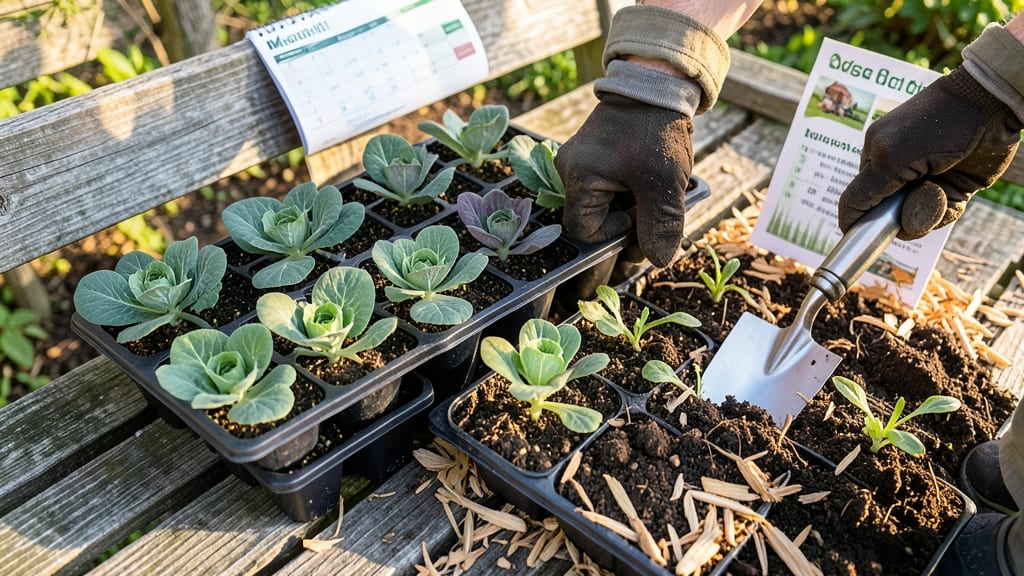
If you've ever stared at your garden calendar wondering "when to plant cabbage in Missouri", you're not alone—getting the timing right means the difference between a bumper crop and a sad, wilted disappointment.
Missouri's unpredictable springs and hot summers demand precision, especially when cabbage 🌱 thrives best in cooler weather but bolts faster than a summer storm.
Here's the secret: most gardeners in Missouri's USDA zones 5a-6b should plant their first cabbage seeds 4-6 weeks before the last frost date, typically between mid-March and early April for spring varieties.
But don't stop there—fall planting offers a second chance, and with the right techniques, you can extend your growing season well into October.
What makes this even trickier? Missouri's humidity and occasional late frosts mean you can't just follow a generic planting chart. Early varieties like 'Golden Acre' need cooler soil, while heat-tolerant types like 'Red Express' give you more flexibility.
I'll show you exactly how to match your variety to Missouri's climate quirks for perfect timing every season.
Ready to transform your garden into a cabbage powerhouse? Let's break down the exact planting windows, frost-proof strategies, and variety-specific tips that will have you harvesting crisp, sweet heads all season long—no guesswork required.
Missouri cabbage planting calendar: frost dates by variety type
Missouri’s USDA zones 5a-6b mean your last spring frost typically arrives between March 15 and April 15, while the first fall frost hits around October 15 to November 15.
These dates are your planting lifelines—get them wrong, and your cabbage heads will either bolt in heat or freeze before maturity.
For spring cabbage, aim to plant 4-6 weeks before your last frost date, while fall cabbage should go in 75-90 days before the first frost. Missouri’s humid summers and variable winters demand flexibility, so I’ll break down the exact timing for both seasons and the best varieties to grow.
Here’s the key: Early varieties (like Golden Acre) mature in 60-70 days, while late varieties (like Wisconsin Winter) take 90-100 days. Your planting window shifts based on these timelines—plant too late, and summer’s 90°F+ heat will turn your cabbage bitter and loose-leafed.
| Planting Window | Variety Type | Missouri Planting Dates | Days to Maturity | Notes |
|---|---|---|---|---|
| Spring (Early) | Early Varieties | March 1 - April 15 | 60-70 days | Best for cool spring harvests; avoid summer heat. |
| Spring (Mid) | Mid-Season | April 15 - May 1 | 70-80 days | Use row covers for late plantings. |
| Fall (Short-Season) | Heat-Tolerant | July 15 - August 15 | 55-65 days | Plant for fall harvest before heat sets in. |
| Fall (Long-Season) | Cold-Hardy | August 1 - September 1 | 90-100 days | Survives light frosts; harvest before hard freeze. |
Missouri’s northern zones (5a) have a shorter growing season, so prioritize early varieties in spring and cold-hardy types in fall. In southern zones (6b), you can push fall plantings later—even into early September—but watch for cabbage maggots and cabbage worms, which thrive in Missouri’s humidity.
Pro tip: Use succession planting every 2 weeks in spring to ensure a steady harvest. For example, if your last frost is April 10, plant your first batch on March 1, then follow up on March 15 and March 30.
This spreads out your harvest and reduces bolting risk from heat stress.
For fall cabbage, start with heat-tolerant varieties like Crimson Queen or Brauner in mid-July. These handle Missouri’s July-August heat better than traditional types. Then, transition to cold-hardy varieties like Wisconsin Winter by August 15 for a late-season harvest.
Missouri’s variable weather means you’ll need to stay flexible. If your spring is warmer than average, delay planting until mid-April to avoid bolting. Conversely, if a late frost hits in April, protect seedlings with floating row covers until temperatures stabilize above 50°F at night.
Remember: Soil temperature matters just as much as air temperature. Cabbage thrives in 50-75°F soil. Use a soil thermometer to confirm readiness—planting in cold soil slows germination and invites rot diseases. In Missouri, this usually aligns with mid-March to early April for spring plantings.
Finally, don’t forget fall fertilization. As your cabbage heads swell in
How to extend Missouri’s cabbage growing season with smart techniques
Missouri’s short growing season and unpredictable weather can make cabbage growing feel like a gamble—but it doesn’t have to be. With the right techniques, you can push your cabbage planting windows by 4-6 weeks in both spring and fall, giving you two harvests instead of one.
The key? Cold frames, row covers, and succession planting to shield tender seedlings from late frosts and early heat.
Let me show you how to cheat Mother Nature’s timeline. Start by planting early varieties under floating row covers 2-3 weeks before your usual last frost date. These lightweight fabrics trap heat while allowing sunlight and water through, creating a microclimate that mimics warmer conditions.
For example, if your last frost is April 15, you can safely plant cabbage seeds as early as March 20 with protection.
Another game-changer is succession planting. Instead of sowing all your seeds at once, stagger plantings every 2-3 weeks through May. This ensures a steady supply of harvest-ready cabbages and prevents bolting from summer heat.
For fall, aim for August plantings—just 8-10 weeks before your first frost—to catch that second harvest window.
- Use black plastic mulch to warm soil 2-3°F faster
- Plant heat-tolerant varieties like 'Red Express' in June
- Harvest outer leaves first to slow bolting
- Choose long-season varieties like 'Wisconsin Winter'
- Apply row covers after first frost for extra protection
- Plant near south-facing walls to extend warmth
Don’t overlook cold frames—these portable greenhouses can add 2-3 weeks to your growing season. Simply place them over seedlings after planting and remove when temperatures stabilize. For late-season protection, try hoop houses made from PVC pipes and plastic sheeting.
I’ve seen gardeners in Missouri’s Zone 5b extend their fall harvests until November using this method!
Pro tip: Monitor your soil temperature with a soil thermometer. Cabbage thrives when soil is 45-55°F—if it’s warmer, your plants may bolt before forming heads. In Missouri’s humid summers, shade cloth (30-50%) can also help maintain ideal growing conditions for late plantings.
With these techniques, you’ll transform Missouri’s short season into a cabbage-growing powerhouse. The secret isn’t just timing—it’s creating the right environment for your plants to thrive when conditions are less than perfect. Try one method this season and watch your harvest dates stretch longer than you thought possible!