
Plants
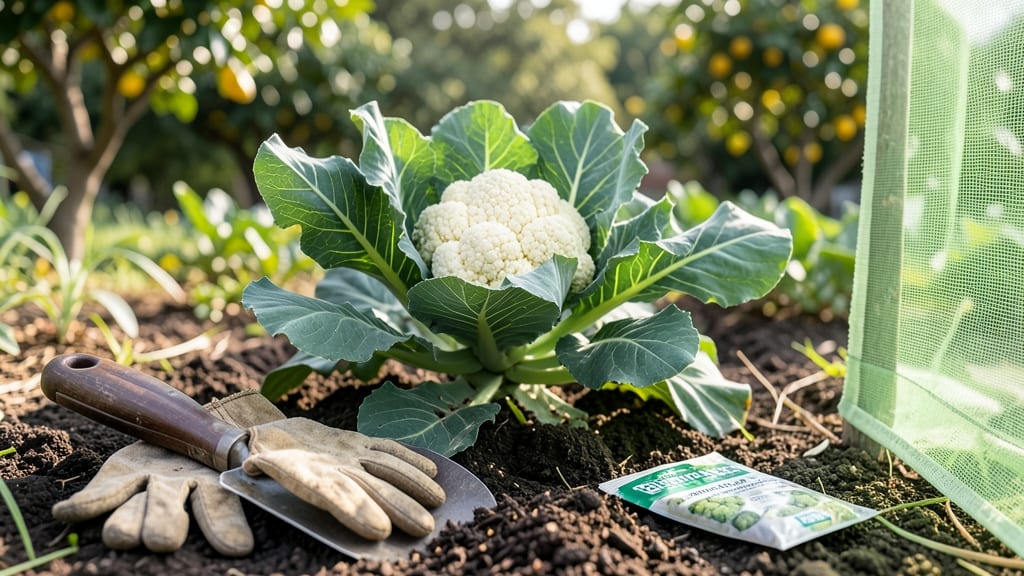
If you’ve ever struggled to grow flavorful cauliflower in Florida’s sweltering summers, you’re not alone—this cool-weather crop needs the right timing to plant cauliflower in Florida to thrive. Planting too early means bolting (those bitter, seed-filled heads), while waiting too long risks stunted growth from heat stress.
The key to success lies in Florida’s fall and winter windows, when temperatures dip just enough for cauliflower to flourish. Whether you’re in North Florida’s 9a zone or South Florida’s balmy 11, the ideal planting months are September–November and January–February—avoiding the brutal summer heat.
But here’s the catch: even with perfect timing, Florida’s humidity and pests can sabotage your harvest. I’ll show you how to prep soil, choose the right varieties, and use shade tricks to keep your cauliflower crisp and productive—no bitter surprises included.
Ready to grow heads that stay tight and tasty? Let’s dive into the Florida-specific strategies that’ll turn your garden into a cauliflower powerhouse.
Best planting times for cauliflower in Florida’s climate zones
Florida’s warm winters and humid summers create unique challenges for growing cauliflower. Unlike northern climates, we don’t have frost to signal planting time—instead, we focus on temperature thresholds and heat avoidance.
Cauliflower thrives in cool weather (60-75°F), making fall and winter the ideal seasons. Planting at the wrong time leads to bolting (premature flowering) or poor head formation.
Cauliflower is a cool-season crop that struggles in Florida’s summer heat. The key is planting when daytime temperatures stay below 80°F and nights dip into the 50s-60s°F. This typically means September-November for fall crops and January-February for winter crops.
South Florida’s warmer microclimate may shift these windows slightly later, while North Florida can sometimes squeeze in an early December planting before potential frost.
Here’s how Florida’s three main climate zones differ in optimal planting times:
North Florida gardeners have the most flexibility due to cooler winters, while South Florida’s warmer winters limit winter plantings to January only. If you attempt winter planting in South Florida, use shade cloth (30-50%) to protect plants from afternoon heat.
For fall plantings, start seeds 6-8 weeks before transplanting—typically by mid-July for North Florida and early August for South Florida.
Timing isn’t just about months—it’s about temperature cues. Monitor your local high and low temperatures using tools like the UF/IFAS Extension Service or Weather Underground. Aim to transplant seedlings when soil temperatures drop below 85°F and nighttime temps stay above 50°F.
In Florida’s humidity, this often means waiting until late afternoon temps fall below 80°F consistently.
One common mistake is planting too early in fall, when September heat can still trigger bolting. If you start seeds in August, your seedlings may bolt before heads form. Instead, wait until mid-to-late September for transplanting, when daytime highs dip into the mid-80s°F.
For winter plantings, rush isn’t your friend—seedlings need 4-6 weeks to establish before cooler weather arrives.
Urban gardeners face additional challenges like heat islands and limited shade. If your yard lacks natural shade, invest in removable shade structures or plant cauliflower near tall trees (but avoid heavy shade, which reduces head size).
Container growers should use black plastic pots to absorb heat and plant in elevated areas where temps drop faster at night.
Pro tip: Use row covers in late fall/winter to protect plants from unpredictable cold snaps, even in South Florida. A single 25°F dip can damage young plants, so be prepared with frost blankets if you’re pushing the winter planting window.
In North Florida, these covers are essential for December-January plantings.
Remember, Florida’s long growing season isn’t just an advantage—it’s a double-edged sword. While you can grow cauliflower year-round in some areas, success hinges on temperature management.
By aligning your planting schedule with Florida’s coolest months and using protective strategies, you’ll avoid the bitter, seed-filled heads that plague poorly timed plantings.
Best planting times for cauliflower in Florida’s climate zones
Florida’s unique climate—with its humid heat and short winters—means cauliflower thrives best when planted during cooler months. Unlike northern states, we don’t rely on frost to signal planting time, but temperature thresholds are critical to prevent bolting (when plants flower prematurely).
Aim for soil temps between 60°F and 75°F—any hotter, and your cauliflower will bolt before forming heads.
Most Florida gardeners focus on two planting windows: fall and winter. Fall plantings (September–November) give you harvests by December through March, while winter plantings (January–February) work for North Florida’s cooler pockets.
South Florida’s warmer microclimates may need shade cloth or mulch to keep roots cool during summer months.
Here’s how to align your planting with Florida’s three climate zones—North, Central, and South—for maximum success:
| Zone | Ideal Planting Window | Key Considerations | Harvest Timeline |
|---|---|---|---|
| North Florida (Zones 8a-9a) | September 15–October 31 (fall) or January 1–February 15 (winter) | Light frost risk in December; use row covers if temps drop below 30°F | December–March |
| Central Florida (Zones 9b-10a) | September 1–November 15 (fall) or December 15–January 15 (winter) | Hot afternoons year-round; prioritize shade cloth (30–50%) | November–February |
| South Florida (Zones 10b-11) | August 15–October 15 (fall) or December 1–January 10 (winter) | Extreme heat year-round; mulch heavily and water deeply | October–January |
For urban gardeners with limited space, consider container growing in 5-gallon pots or larger. Containers warm up faster, so plant 2–3 weeks later than in-ground beds to avoid heat stress. Use lightweight potting mix with added compost to retain moisture and cool roots.
Pro tip: Start seeds indoors 6–8 weeks before your target transplant date. Florida’s humidity speeds up germination, so keep seed trays in a shady, moist environment (70°F–75°F) until seedlings have 2–3 true leaves. Harden off seedlings for 5–7 days before transplanting to avoid shock.
Remember, soil prep is non-negotiable. Cauliflower craves rich, slightly acidic soil (pH 6.0–6.8). Amend your beds with aged compost or well-rotted manure 2–3 weeks before planting. A mulch layer (2–3 inches) of straw or pine needles helps regulate soil temperature and retain moisture during Florida’s erratic rains.
Timing your cauliflower right in Florida isn’t just about months—it’s about microclimates, shade, and soil. With these adjustments, you’ll go from seed to harvest with zero bolting and maximum flavor. Happy planting! 🥬