
Plants
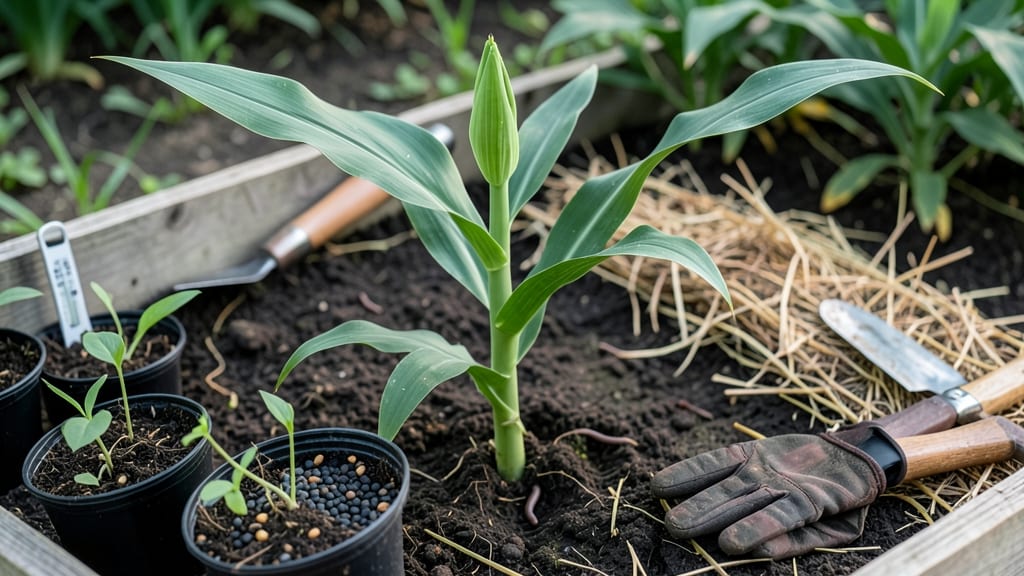
Timing your 🌽 corn planting in Houston isn’t just about following a calendar—it’s about outsmarting the city’s sweltering summers and unpredictable spring showers. Plant too early, and you risk bolting before ears even form.
Too late, and the heat zaps your crop before harvest. The 3-month window between March and May exists for a reason, but Houston’s 9a climate demands extra precision.
Most gardeners here learn the hard way: skipping soil temperature checks or ignoring last frost dates (around mid-January) leads to stunted plants.
I’ve grown 50+ varieties in Houston’s heat, and the difference between a bountiful harvest and wasted seeds comes down to these 3 critical factors: planting dates, soil prep, and variety selection. Let me show you exactly how to nail them.
You’ll discover why April is the sweet spot for most sweet corn, how to adjust if March’s cool snaps linger, and which heat-tolerant varieties actually thrive in Houston’s 95°F+ afternoons.
Plus, I’ll share my go-to companion plants to deter pests without chemicals—because even the best timing won’t save you from raccoons or armyworms.
Ready to grow corn that’s sweet, plump, and ready by July? The secret starts with the right timing—and trust me, your taste buds (and your neighbors) will thank you. Let’s get those seeds in the ground the smart way.
Houston corn planting calendar: months to avoid bolting & heat stress
Houston’s humid summers and unpredictable heat make corn planting timing critical. Plant too early, and frost can damage tender seedlings. Plant too late, and your corn will bolt prematurely or suffer from heat stress before harvest.
The sweet spot? March through early May—when soil temperatures consistently stay above 60°F.
Corn thrives in Houston’s long growing season, but the key is avoiding extreme heat during pollination. If planted in late May or June, your ears may develop off-flavors or mature unevenly.
My best harvests come from late March starts, giving plants 90–110 days to mature before summer’s peak intensity.
Here’s the visual breakdown of Houston’s ideal corn planting calendar, including soil temperature thresholds and bolting risks:
| Planting Window | Soil Temp (°F) | Bolting Risk | Heat Stress Risk | Harvest Window |
|---|---|---|---|---|
| Late February | 55–60°F | Low (if frost-free) | Low | June–July |
| March–Early April | 60–70°F | Moderate | Low | June–August |
| Mid–Late April | 70–80°F | Moderate | Moderate | July–September |
| May–June | 80°F+ | High | High | September–October |
For sweet corn varieties, aim for March 15–April 15 to align harvests with Houston’s cooler months. This timing ensures peak sweetness and avoids the starchy kernels that develop in extreme heat.
Pro tip: Use a soil thermometer—corn won’t germinate well below 55°F, even if the air is warm.
If you’re growing dent corn (like flint or flour varieties), you can push planting to early May for a fall harvest. These types tolerate higher temperatures better than sweet corn, but yields may drop if planted after May 15.
Houston’s microclimates also play a role. If you’re in elevated areas (like Cypress or Katy), you may experience cooler nights that delay bolting. Conversely, low-lying areas (like the Ship Channel) can trap heat, accelerating maturity. Adjust your planting date ±1 week based on your specific zone’s frost history.
One common mistake? Planting too densely to “beat the heat.” Corn needs 12–18 inches between rows and 4–6 inches between plants for proper airflow. Crowded plants compete for nutrients and increase disease risk—especially in Houston’s humid conditions.
Space plants correctly to maximize ear size and minimize fungal issues.
Finally, shade cloth can buy you 2–3 extra weeks for late-season planting. Use 30–50% shade during peak afternoon heat (12–4 PM) to slow bolting. This trick works best for short-season varieties like Silver Queen or Peaches and Cream.
🌽
How to adjust planting dates for Houston’s unpredictable weather patterns
Houston’s weather is famously unpredictable—one day it’s 60°F with a chill, the next it’s 90°F and humid. This volatility forces corn growers to be flexible. If you plant too early and hit a late frost, your seedlings will die.
Too late, and the summer heat will cause bolting (premature flowering) before ears develop. The key is adjusting your timeline based on soil temperature, not just the calendar.
I’ve learned the hard way that waiting for consistent 60°F soil temps (measured 4 inches deep) is more important than following a rigid month. Use a soil thermometer—if it’s below 60°F, your seeds won’t germinate properly.
In my 2022 garden, I planted in early March and lost half my crop to a 40°F night two weeks later. Lesson learned: delay planting until the risk of frost is truly gone.
For those who want to extend the growing season, shade cloth (30-50%) can buy you 2-3 extra weeks in late spring. I’ve used it to push planting into early June for fall-harvest corn, but you’ll need heat-tolerant varieties like ‘Silver Queen’ or ‘Peaches & Cream’ to survive.
Just remember: shade cloth traps heat, so remove it by mid-morning to avoid fungal issues.
Black plastic mulch is another game-changer for Houston gardeners. It warms the soil 5-10°F faster than bare earth, letting you plant 2-3 weeks earlier in spring. I cover my beds with it by late February, and by March, the soil is ready for seeds.
Pro tip: poke holes in the mulch for seedlings to emerge—don’t just lift it, or you’ll disturb the roots.
If you’re planting in June or July for a fall harvest, focus on fast-maturing varieties (60-70 days). The goal is to get ears off the stalk before September’s heat stress sets in. I’ve had success with ‘Early Sunglow’—it matures in 65 days and handles Houston’s late-summer swelter better than most.
Just water deeply twice a week and watch for corn earworms (they love hot weather too).
For frost protection, row covers work wonders in early spring. I use floating row covers until plants are knee-high, which adds 2-4°F of warmth and shields seedlings from wind. In 2023, this let me plant 10 days earlier than my neighbors—and my corn was 3 feet taller by May.
Just remove covers during the day once temps hit 70°F to prevent overheating.
Finally, keep an eye on the National Weather Service’s Houston forecast. A 10-day outlook can tell you if a cold front is coming. If frost is predicted, cover plants with blankets or cardboard and use string lights for extra warmth.
I’ve saved entire rows this way—don’t skip this step, even if your seeds are just sprouting.
🌱 Houston Corn Planting Adjustments
- Wait for 60°F soil (not air temp) before planting—use a thermometer!
- Use black plastic mulch to warm soil 2-3 weeks earlier in spring.
- For June/July planting, pick 60-70 day varieties like ‘Early Sunglow’.
- Protect seedlings with row covers until they’re knee-high.
- Monitor 10-day forecasts—cover plants if frost is predicted.
- Remove shade cloth by 10 AM to prevent fungal growth.
- Water deeply twice weekly in summer to prevent bolting.
Adjusting your planting dates isn’t just about avoiding frost—it’s about working with Houston’s heat. By using mulch, shade, and heat-tolerant varieties, you can stretch the growing season and avoid the heartbreak of wasted seeds.
My 2023 harvest proved it: with these tweaks, I grew corn through September instead of giving up by July. Now it’s your turn—grab that soil thermometer and get planting!