
Plants
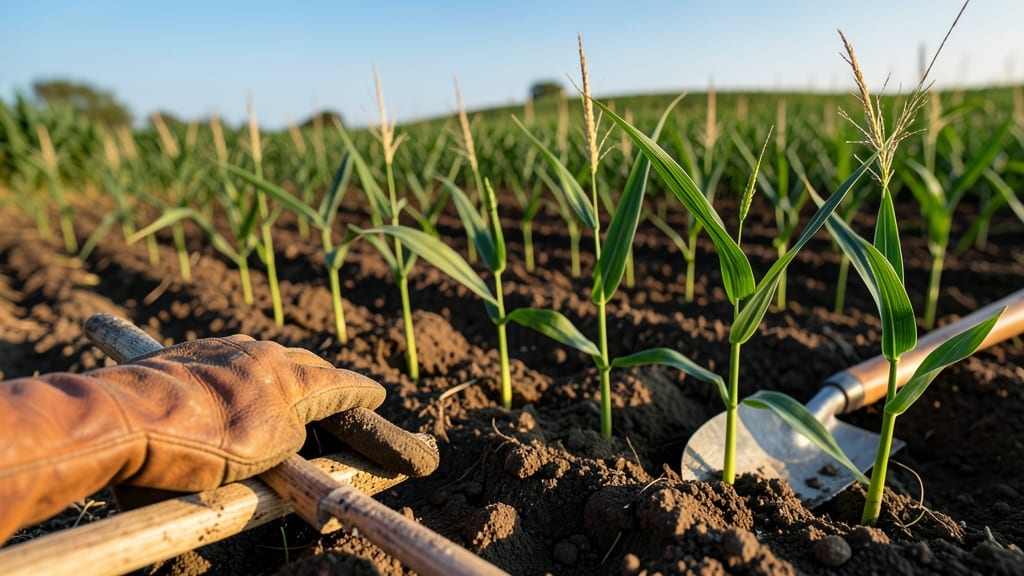
Timing your corn planting in Montana isn’t just about waiting for spring—it’s about outsmarting the unpredictable frost dates that can turn your garden dreams into stunted 🌽 failures.
With USDA Zones 4-7 and microclimates ranging from high-elevation valleys to river basins, getting those seeds in the ground at the right moment means the difference between a bumper crop and a sad, shriveled disappointment.
Most gardeners assume "late spring" means mid-May, but Montana’s last frost can swing from May 15 in Missoula to June 1 in Billings, leaving little room for error.
The key isn’t just waiting for the calendar—it’s tracking soil temperatures (they need to hit 50°F or warmer) and knowing when your local frost-free window actually opens. Get this wrong, and your corn might bolt too fast or never even sprout.
Here’s what I’ll show you: how to pinpoint the perfect planting window for your corner of Montana, whether you’re in Zone 4’s shorter season or Zone 7’s slightly longer stretch.
We’ll cover soil prep, hybrid selection, and even how to adjust if Mother Nature throws a curveball—because in Montana, flexibility is your best friend when it comes to growing 6-foot-tall stalks of sweet, plump corn.
Ready to turn your garden into a cornucopia instead of a gamble? Let’s dive into the science—and local tricks—that’ll have your 🌽 thriving from late summer right through fall.
Montana corn planting dates by USDA hardiness Zone and last frost risks
Montana’s USDA Zones 3-6 create dramatic differences in when to plant corn—from early May in Zone 4 Missoula to late May in Zone 3 Glacier National Park. The key? Waiting until soil temperatures hit 50°F+ and the last frost risk drops below 10%.
In Western Montana (e.g., Bozeman, Kalispell), corn thrives with 90-120 frost-free days, while Eastern Montana (e.g., Great Falls, Billings) stretches to 130-150 days. Use the Almanac’s Frost Calculator to pinpoint your local window—just plug in your ZIP code.
Here’s the critical timeline for Montana’s zones, balancing warmth and frost risk:
Montana Corn Planting by USDA Zone
| USDA Zone | Last Frost Date | Planting Window | Soil Temp Threshold | Frost-Free Days |
|---|---|---|---|---|
| Zone 3 (Glacier NP, Red Lodge) | Late May | May 20–June 5 | 50°F+ | 90–110 days |
| Zone 4 (Bozeman, Butte) | May 1–15 | May 10–May 30 | 50°F+ | 110–130 days |
| Zone 5 (Missoula, Helena) | April 25–May 10 | April 30–May 20 | 50°F+ | 120–140 days |
| Zone 6 (Billings, Great Falls) | April 15–April 30 | April 20–May 10 | 50°F+ | 130–150 days |
Adjust dates 1–2 weeks earlier in valleys (warmer microclimates) or later in high elevations.
For high-elevation gardens (e.g., 1,500+ feet), delay planting until June 1 to avoid late spring frosts. Use black plastic mulch to warm soil faster—it can add 2–4°F and shave 10–14 days off your planting timeline.
Pro tip: Plant early-maturing varieties (e.g., ‘Early Sunglow’ at 60 days) in Zone 3 to ensure harvest before first frost. In Zone 6, you can stretch to 100-day varieties like ‘Peaches and Cream’ for larger ears.
Always monitor local weather forecasts—Montana’s Chinook winds can push frost dates 1–2 weeks later in some years. When in doubt, err on the side of waiting for stable 50°F+ soil temps.
🌱
How to adjust corn planting for Montana’s unpredictable weather patterns
Montana’s weather can shift faster than a mountain breeze, making corn planting a delicate balance between patience and preparedness. Late frosts in May or early heatwaves in June can derail even the most careful gardener.
My trick? Layering strategies to protect your crop while giving it the best shot at success.
First, soil warming is non-negotiable. Corn seeds need consistent 50°F+ soil temperatures to sprout reliably. In cooler zones like USDA 4 (e.g., Kalispell), I’ve had luck using black plastic mulch or even old cardboard to trap heat.
Spread it over the soil 1-2 weeks before planting—it raises ground temps by 5-10°F and suppresses weeds.
Frost cloth is your secret weapon for those unpredictable late frosts. If your local forecast hints at a 32°F dip after planting, cover young seedlings with frost cloth for 24-48 hours. Pro tip: Secure it with bricks or clips, not staples—you’ll need to remove it during the day for airflow.
🌱 Montana Corn Planting Adjustments
- Soil Temp Check: Use a soil thermometer—wait until 50°F+ for 5+ days.
- Frost Guard: Keep frost cloth handy for Zone 4-5 until June 10.
- Hybrid Hack: Choose short-season varieties (e.g., ‘Golden Bantam’ at 60 days).
- Water Wisdom: Morning watering prevents fungal diseases in humid valleys.
Don’t underestimate drought risks, especially in Eastern Montana’s rain-shadow zones. If your area gets less than 12 inches of rain annually, plan for drip irrigation or soaker hoses.
Corn needs 1-2 inches of water weekly, but sandy soils drain fast—check moisture 2 inches deep daily during tasseling.
For high-elevation gardens (above 5,000 ft), like those in Missoula or Whitefish, I stagger planting dates by 10-14 days. Start with half the seeds in late May and the rest in early June. This extends your harvest window if the first batch gets nipped by frost.
Finally, companion planting can buy you time. Interplant corn with beans or squash—they shade the soil, retain moisture, and improve nitrogen levels. Avoid planting near tomatoes or cabbage, though; they compete for nutrients and attract pests.
Montana’s weather may be unpredictable, but with these adjustments, your corn will outlast the challenges and reward you with ears so sweet, they’ll make your neighbors jealous. 🌽